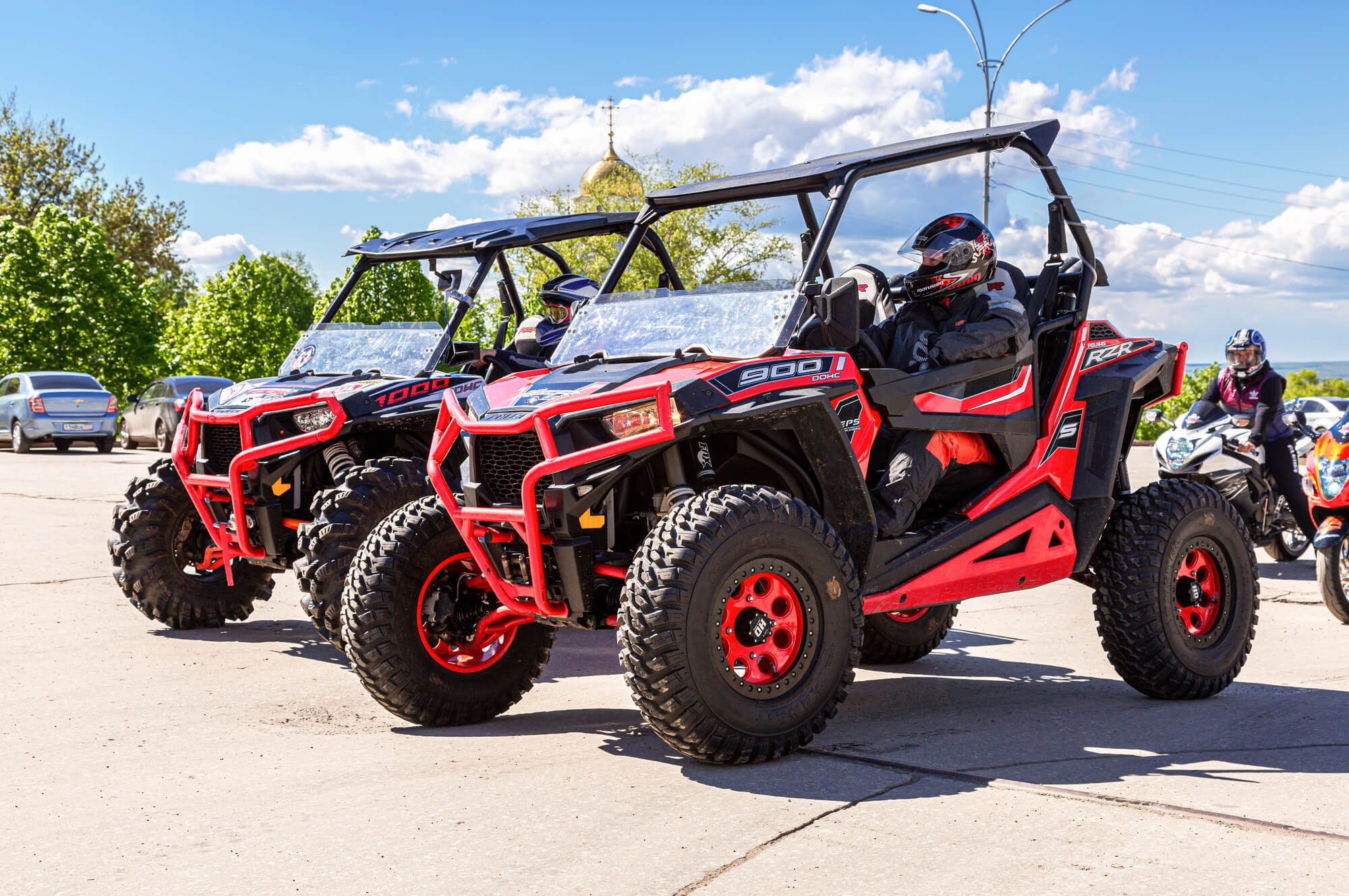
Whether you’re trail cruising in a Can-Am, hauling gear on the farm, or exploring public lands in a rugged Utility Task Vehicle (UTV), one thing is clear: safety isn’t optional.
It’s essential for today’s side-by-side vehicles (also known as UTVs, ORVs, or powersport vehicles), which, yes, offer immense power, traction, and capability; however, this performance comes with responsibility.
Without the appropriate gear, safety equipment, checks, and habits, even experienced operators risk mechanical failures or personal injury, especially in unpredictable off-road terrain. That’s why we created this essential side-by-side safety checklist: a pre-ride and in-ride framework for off-road riders who want confidence, control, and a safer ride.
From T-CLOCS inspections (a method adapted from the Motorcycle Safety Foundation) to wearing the right helmet, we’ll cover the critical steps every operator should take before their next adventure. It doesn’t matter if you’re riding electric UTVs, outfitted with RIDE COMMAND, or traditional gas-powered models with cargo boxes and windshields; this checklist is designed to help you protect your machine, your passengers, and your peace of mind.
Pre-Ride Safety Gear Inspection
Your first layer of safety starts with your body.
Off-road riding is physically demanding, and unpredictable conditions, such as mud, trail debris, and rolling terrain, can turn a minor oversight into a serious emergency. That’s why wearing the right safety gear is non-negotiable.
Helmet, Goggles, Gloves, and Boots
- Motocross helmets or certified UTV helmets are a must and not optional. Look for DOT or Snell ratings and choose one with a proper visor and fit for your head shape.
- Goggles or full face shields protect against dust, wind, insects, and flying rocks on high-speed ORV trails or dusty public routes.
- A good pair of durable riding gloves ensure a strong grip of the steering wheel and protect your hands from abrasions or cold.
- Sturdy off-road boots with ankle support are essential for resisting impacts and keeping your footing stable inside the cabin or when exiting in rough terrain.
Full-Body Protection and Emergency Essentials
- Wear long sleeves, padded jackets, and pants made for off-roading. Many should be built with internal armor and abrasion-resistant material.
- Optional additions like neck braces, face masks, and chest protectors provide extra layers of protection, especially for high-speed or rocky trail riding.
- Always carry a first aid kit in your racks or cargo box; minor injuries can happen far from help, and immediate treatment matters.
- Install mirrors inside and outside the cab for greater trail awareness, especially when riding in groups or tight switchbacks.
A pre-ride safety checks protect both your experience and your equipment, whether you’re a trail enthusiast, a farm owner using your side-by-side for chores, or a weekend rider gearing up for adventure.
Controls and System Readiness
Your side-by-side is only as safe as its weakest system. Before every ride, it’s critical to conduct pre-ride inspections focused on the machine’s brakes, steering, lighting, and overall responsiveness.
A small malfunction on pavement is one thing, but on a narrow vehicle trail with steep inclines or unpredictable terrain, the risks multiply.
Test Lights, Taillights, and Electrics
Your visibility is just as important as your vision. Faulty taillights, brake lights, or turn signals not only reduce your ability to communicate with other riders but also make you harder to see in low-light off-road terrain.
- Verify all lights & electrics are functional.
- Confirm dashboard indicators, mirrors, and hazard lights are working properly.
- Check your battery for proper charge and clean terminals if necessary, especially before cold-weather rides.
Braking, Throttle, and Steering Response
Ensure your brakes respond immediately and consistently. Any delay, squeal, or grinding sound is a red flag. Always inspect brake fluid levels and pad wear before hitting the trails.
- Test throttle responsiveness, as sticky acceleration or lag can lead to overshooting turns or colliding with trail debris.
- Turn the steering fully in both directions, checking for tightness or resistance.
- Confirm suspension reacts fluidly with no excessive bounce or stiffness. If your vehicle chassis has any structural damage, don’t ride.
Load, Mods, and Attachments
- Review your side-by-side’s load limit instructions or owner’s manual, especially if using racks, bumpers, or aftermarket attachments and modifications.
- Excess weight or improper installation can affect chassis integrity and cause rollover risks, even with a Rollover Protection Structure (ROPS) in place.
These simple control checks give you immediate insights into the safety state of your off-road vehicle, minimizing surprises once you’re deep into a ride.
Terrain and Trail Planning
Even the best gear and perfectly tuned machine can’t compensate for poor trail planning.
Know Your Terrain and Trail Classification
- Off-road terrain comes in many forms, from slick mud pits to high-elevation gravel paths. Know your vehicle’s strengths, and match them with the right vehicle trail.
- Certain public lands have trail restrictions based on engine size, noise levels, headlight brightness, or environmental sensitivity. Driving over protected ecosystems can lead to fines or permanent damage.
Laws, Regulations, and Age Guidelines
- Obey all local laws and regulations related to ORVs. Some areas require licenses, trail passes, or age-specific operator requirements.
- Youth riders should never operate Utility Task Vehicles without proper training. Consider enrolling in a driving school or MSF-certified course before allowing minors to ride.
GPS, Fuel Stops, and Emergency Prep
- Use trail apps or GPS units like RIDE COMMAND to map your route, log waypoints, and track your location in real time.
- Identify fuel stops or refill zones if riding in remote areas. UTVs are efficient, but aggressive off-roading burns fuel faster than expected.
- Communicate your ride plan with someone in advance and carry backup comms, ike radios or cell phones, in waterproof pouches.
Off-roading is, above all, about respecting nature and not just riding it; driving responsibly and returning home safely.

Mechanical and Fluids Safety
Before rolling out onto any off-road terrain, you need to know your machine is mechanically sound. Even a well-maintained UTV can develop issues between rides due to weather exposure, wear, or small undetected leaks.
A quick maintenance pre-check of your off-road vehicle’s critical systems, especially its fluids, can prevent trail breakdowns or worse.
Engine Oil, Coolant, and Brake Fluid Levels
- Check your engine oil for level, color, and viscosity. Sludgy or dark oil means it’s time for a change, especially if you’ve been on dusty or high-RPM rides. Refer to your owner’s manual and always follow the manufacturer’s recommendations.
- Coolant prevents your engine from overheating, a common failure that can occur during long hill climbs or in stop-start utility work. Inspect your UTV’s radiator for corrosion, and verify the reservoir is topped off.
- Brake fluid, often overlooked, is critical for responsive braking. Dark or cloudy fluid can lead to a soft brake feel or total failure during sudden stops on steep inclines.
While you’re taking a look at the engine, go ahead and also do a maintenance check on your air filters, transmission fluid, and the overall condition of your radiator again.
Tire Pressure and Condition
Inspect your tires for wear, punctures, or cracking sidewalls. Off-road tires take serious punishment from rocks, roots, and trail debris.
- Check and adjust tire pressure before every ride. Low pressure can cause unpredictable handling or bead separation, while over-inflation leads to reduced traction.
- Make sure tires match the terrain you’re riding, mud tires for muck, all-terrains for mixed surfaces, and sand tires for dunes.
Use the T-CLOCS inspection model (Tires & Wheels, Controls, Lights, Oil, Chassis, Stands) to create a repeatable habit that ensures all core systems are checked. If you want a bit more guidance, this side-by-side vehicle maintenance checklist can help you stay consistent and avoid missing routine items.
Final System Checks Before Roll-Out
With your gear packed and your route planned, one last systems check could mean the difference between a perfect ride and a trail-side breakdown.
Battery and Electrical Systems
Start with the basics: does the UTV turn over cleanly and without hesitation? A weak battery can leave you stranded.
- Check battery terminals for corrosion.
- Check spark plug condition.
- Confirm that your lights, taillights, turn signals, and dash displays are functioning properly.
- For electric UTVs, verify the charge level and condition of the charging cable before departure.
Emergency Supplies and Communication
Don’t underestimate the value of trail-readiness. Equip your vehicle with:
- A compact tool kit (socket wrenches, tire plug kit, zip ties).
- Fire extinguisher and first aid kit in secure racks or storage boxes.
- Cell phone with offline maps or a GPS unit.
- Protective gloves, extra fuel (where legal), and basic recovery gear like tow straps.
Whether you’re heading out solo or with a group, every UTV operator should carry enough supplies to handle minor emergencies without outside help.
Post-Ride Inspection for Safety and Next Ride Prep
What you do after the ride matters just as much as what you do before it. A few minutes of thorough inspection and cleanup can extend the life of your side-by-side and prepare you for your next outing.
- Rinse off any mud, dirt, or salt from your chassis, suspension, and wheel wells.
- Check under the vehicle for fluid leaks or damage to components.
- Tighten loose bolts or attachments, especially after long or rocky rides.
- Recharge the battery or connect a battery tender if storing your off-road vehicle for an extended period.
Make it a habit to review your gear as well: helmets, goggles, gloves, and boots take abuse too. Replace worn gear and clean reusable items after each ride.

Ride With Confidence and Support
Your safety begins before you even get to the trailhead.
It starts at home, before you load up your trailer or punch in a GPS route. Whether you ride a side-by-side, ATV, Can Am, Motorcycle, or Bike, preparation is the foundation of vehicle safety. This side-by-side safety checklist isn’t just for beginners; it’s for every operator who values preparedness, control, and respect for their machine, the land, and themselves.
Before heading out on the trails, take time for a thorough vehicle inspection. A proper ATV inspection should include checking tire pressure, brakes, lights, fluid levels, steering response, and suspension components. Regular maintenance not only extends the life of your machine but also plays a critical role in ATV safety and overall quad bike safety. Even experienced riders benefit from slowing down and reviewing the basics before every ride.
Research your route in advance and understand the terrain, weather conditions, and any local safety guidelines. Organizations such as Safework NSW emphasize the importance of preparation, protective gear, and responsible riding practices when operating recreational vehicles. The same principles apply whether you’re exploring rugged backcountry trails or cruising through familiar paths close to home.
By investing time into pre-ride gear checks, mechanical inspections, terrain research, and post-ride maintenance, you’re not only ensuring a safer ride but also preserving your powersport lifestyle. Consistent upkeep and mindful operation reduce risk, protect your investment, and help ensure every ride ends as smoothly as it begins.
And when you’re ready to upgrade, finance, or protect your side-by-side vehicle, ATV, Motorcycle, or Can Am, Southeast Financial has your back. We offer flexible UTV financing options and extended service plans so you can focus on what matters most: the ride.
Contact us or Apply Now to keep your adventure rolling: safely, powerfully, and with peace of mind.