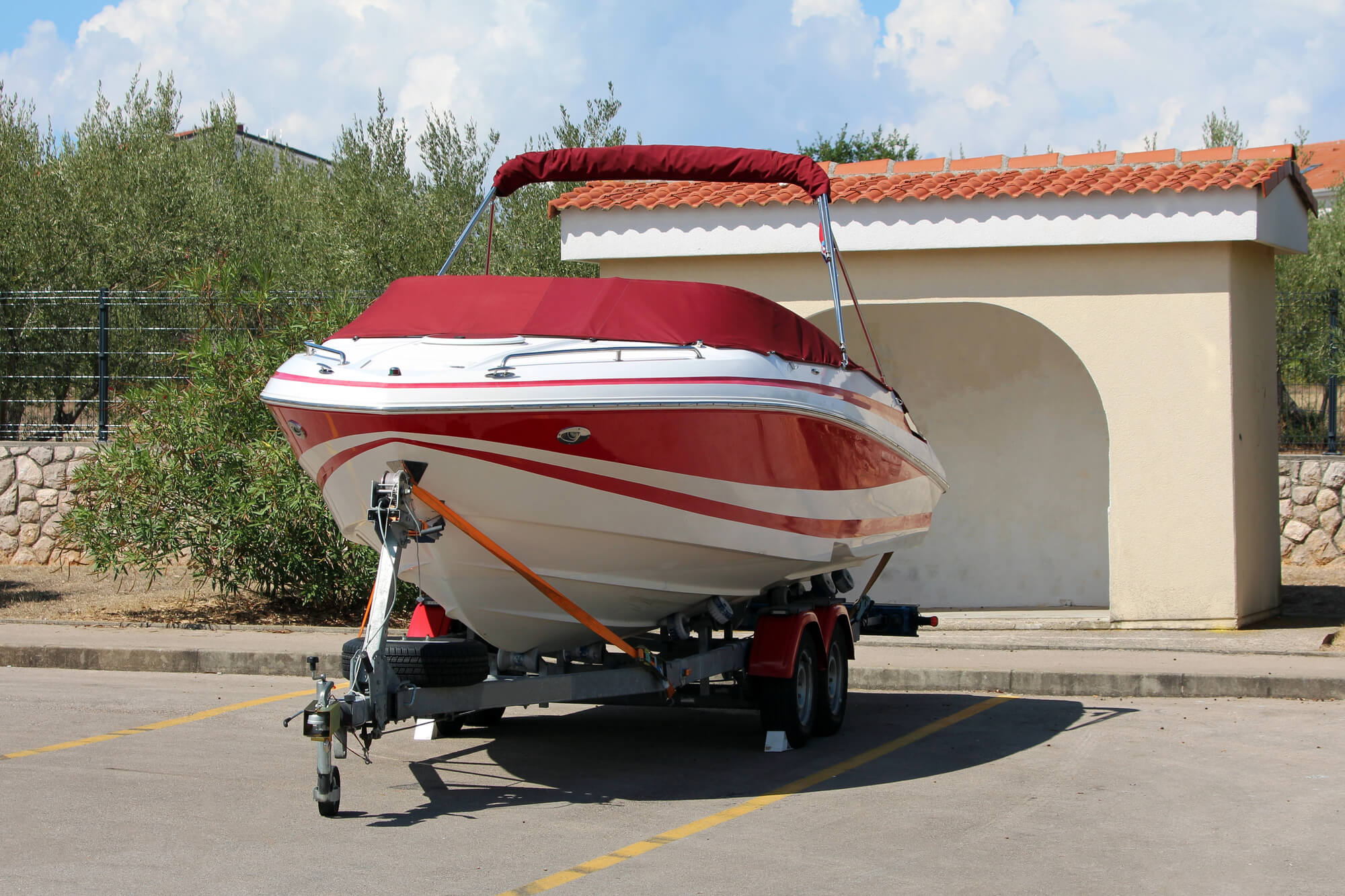
Whether you’re towing a brand-new Sea-Doo RISE or a legendary Kawasaki Ultra 310X, mastering your PWC trailer setup is critical for safe, efficient, and stress-free watercraft launching. Every step, from hitching the trailer to reversing down the boat ramp, affects your ride, your equipment’s condition, and your overall experience.
This guide covers everything you need to know to properly set up your PWC trailer, avoid common launch-day headaches, and protect your investment.
At Southeast Financial, we offer flexible loans for personal watercraft and enclosed cargo trailers so you can focus on enjoying the water, not stressing about payments.
Choosing the Right Trailer for Your Watercraft
When it comes to trailering a PWC like a Sea-Doo, Jet Ski, or Kawasaki, you can’t pick one thinking it does just fine for any craft.
From axle placement to bunk style, choosing the right trailer for your watercraft type ensures stability on the road and smooth launching at the ramp.
Trailer Types: Bunks vs. Rollers
- Bunk-style trailers use padded trailer beds, often lined with marine carpet or bunk slides, to cradle the PWC. These are perfect for Jet Skis with hulls designed for resting supportively on bunks.
- Roller trailers, on the other hand, use rotating wheels to ease the loading/unloading process, ideal for steep concrete ramps or solo launching.
Some newer setups also include marine slides or hybrid bunk/roller configurations, improving both support and launch ease.
Matching Trailer to Craft
Whether you’re trailering a lightweight 2-stroke Mikuni BN-38-powered model or a heavier Rotax engine-equipped beast, trailer size and load-bearing capacity matter. Consider:
- Axle rating and tongue weight for proper balance
- A secure coupler that fits your vehicle’s hitch
- Reinforced brackets and stainless steel screws to handle saltwater exposure
- Adequate trailer tires and suspension to prevent swaying during transport
If your setup feels unstable or off-balance on the road, you’re not only risking your investment, but you’re also compromising safety.
PWC Trailer Setup Essentials
Once you’ve matched the trailer to your PWC, it’s time to focus on setup precision. A misaligned strap or poorly adjusted winch can cause damage or make launching more difficult than it needs to be.
Winch + Strap: The Core of Control
- Your winch should align cleanly with the bow eye of your watercraft. Use a high-quality strap (often with a hook and loop bracket) to keep it secured.
- Check that the strap is free of frays or UV damage; a snapped strap during launch reversal can lead to an uncontrolled slide.
- For heavy-duty models like the Kawasaki 310X, consider upgrading to a heavy-duty winch rated for your PWC’s weight class.
Trailer Bed Setup: Support Starts at the Bottom
- Ensure your bunks are level and properly padded with marine carpet or bunk slides to minimize hull damage.
- Adjust the trailer bed height to allow a proper launch angle without the need to submerge the vehicle’s tailpipe at the launching ramp.
- For advanced setups, consider adding PWC lift slings for maintenance or storage positioning.
Safety and Load Distribution
- Double-check your tongue weight — 10 to 15% of the trailer’s total weight should be on the hitch to prevent swaying.
- Always use backup security straps (front and rear), especially for longer hauls across North America or specific destinations like Port Charlotte, Florida.
- Don’t overlook DESS cord positioning or onboard systems like trim rings and pistons before transport.
Trailer Connecting Checklist
Before you ever hit the road, let alone the launch area, your trailer-to-vehicle connection needs to be airtight. A weak link here can cause serious damage to both your PWC and your tow vehicle, not to mention the risk to other drivers.
- Hitch Match-Up: Confirm the coupler fits snugly over your vehicle’s hitch ball and locks securely. Always double-check the latch mechanism and insert a safety pin or lock.
- Tongue Weight & Balance: Ensure proper tongue weight distribution (ideally 10–15% of total trailer weight) to prevent trailer swaying at higher speeds.
- Safety Chains: Cross them under the trailer tongue, not just for legality, but to act as a cradle if the coupler fails.
- Wiring Harness: Plug in the trailer light connection and test all functions: brake lights, turn signals, and running lights. Faulty signals can cause confusion at night or on the ramp.
Braking Systems: Know What You’re Towing
There are two main types of PWC trailer braking systems:
- Surge Brakes: Activated by the trailer’s own momentum pushing against the tow vehicle. Common on marine trailers due to simplicity and minimal wiring.
- Electric Brakes: Controlled via a brake controller in the tow vehicle. Offers finer control and is better suited for heavier watercraft like the Sea-Doo RISE or Kawasaki Ultra 310.
Make sure your braking system is rated for your watercraft type and properly maintained, especially before launching on concrete ramps with steep grades.
Pro Tip: Always do a quick brake test in the parking lot or staging cones area before reversing down the boat ramp. Launching is about precision, and that begins with confidence in your equipment.

Mastering the Launch: Step-by-Step Guide
Launching a personal watercraft, whether a single ski or jetski, can be either seamless or chaotic depending on preparation, pwc trailer setup, and awareness at the ramp. From trailer alignment and overall trailer setup to reverse positioning on a busy road-access ramp, this process rewards calm execution, proper verification, and understanding how your pwc trailer, bunks, bow roller, winch, roller components, and installed hardware work together to support the hull and watercraft. Taking time to read the ramp area, determine the right place to set up, and connect everything correctly helps save time and avoid stress, especially when riding season is busy.
Reversing With Confidence
Reversing a pwc trailer is often trickier than backing a full-size trailer because of its shorter length, which causes sharper turns and quicker response. This applies whether you’re using a used trailer, an open style, or one recently purchased after buying based on budget, sizes, or fits your vehicle. If the trailer swings too aggressively, drops off line, or feels hard to control, it’s usually a visibility, mirror, or alignment issue rather than a lack of skill.
Tips for trailer reverse control:
-
Practice in an open area with cones to understand how your trailer reacts and how much wheel input it needs.
-
Place your hand on the bottom of the steering wheel and turn in the direction you want the trailer to go.
-
Use mirrors or a spotter from the pwc community to help guide you and reduce the chance of a break or misalignment.
-
Make slow, small corrections; rushing makes it easier to overcorrect.
-
Check tires, bolts, tongue support, and mounted components are tight before backing down.
Backing into concrete ramps with traffic requires awareness of other people and good etiquette. Prep straps, remove covers, and set gear before entering the launch area so you don’t block the ramp longer than needed.
Launching in Seconds – Efficient Ramp Technique
Once your trailer is positioned and lowered into the water, efficiency is key, especially when others are waiting their turn to tow in or out.
A smooth launch sequence includes:
-
Trim level check so the pwc sits flat and supported on the trailer bunks.
-
Disconnect rear straps but keep the winch strap attached until the watercraft begins to float.
-
Slowly back in until bunks or slide-style rollers are just submerged.
-
Release the winch carefully once the hull starts to lift.
-
Use gentle throttle if launching solo, but always check behind the ski.
Always verify the intake is fully under water before starting the engine. Starting dry can damage components like the trim ring or piston, and this is especially important if you had to raise or lower the trailer multiple times to find the right depth.
Post-Launch Trailer Etiquette
Once the jetski is launched, move the trailer out of the ramp area immediately. Don’t linger to adjust gear, comment with friends, or check your phone.
After launch:
-
Park only in designated trailer spots.
-
Line up evenly so other trailers fit in the area.
-
Lock the hitch, secure the wheel, and use added security options to prevent theft.
-
Do a quick check of tires, bolts, and connections before hitting the road.
Good etiquette keeps the process easier for everyone, helps avoid delays, and shows respect for the community. If you’re new, take time to understand ramp flow, read posted rules, and ask for help when needed. In any case, preparation, practice, and knowing your setup make launching safer, smoother, and far less stressful every time.
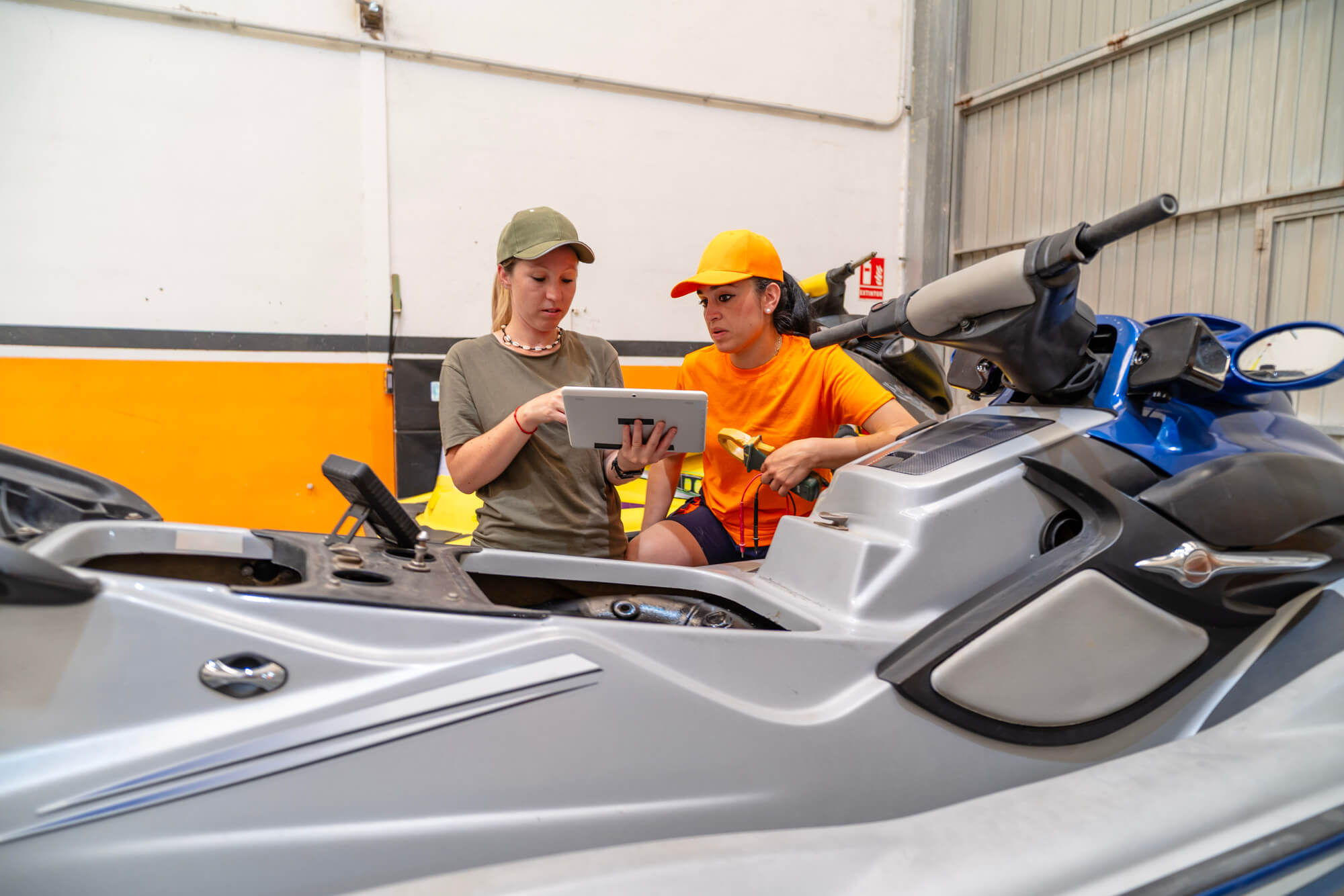
Maintenance Tips to Extend Trailer Life
A reliable trailer is the unsung hero of every personal watercraft adventure. Whether it’s transporting your Jet Ski across the state or backing your Sea-Doo into saltwater, regular maintenance prevents breakdowns and prolongs the life of your equipment.
Rinse After Every Ride
Saltwater and grit are corrosive, especially to axle components, trailer tires, brackets, and winches. After each outing:
- Hose down the trailer bed, bunks, axle, and undercarriage.
- Rinse inside and around the winch assembly and coupler area.
- Use a mild degreaser or corrosion inhibitor if you’re boating in salty environments.
Inspect the Essentials
Before each trip, do a full walkaround check:
- Test brake lights and signals.
- Check for signs of dry rot or uneven wear on trailer tires.
- Ensure all straps, especially the winch strap, are free of fraying or weakening.
- Tighten all stainless steel screws and inspect for rust.
Don’t forget to verify tongue weight and load balance; poor distribution can cause hazardous swaying at highway speeds.
Grease, Adjust, and Protect
- Apply marine-grade grease to the wheel bearings regularly.
- Adjust the winch bracket and inspect for play.
- Consider upgrading your bunk slides or marine carpet every few seasons to avoid damage to your PWC’s hull.
And always ensure your DESS cord, grubs, and any onboard systems are disconnected or secured before transit to avoid power drain or damage.
Bonus: When to Consider an Enclosed Cargo Trailer
While a pwc trailer is essential for on-the-water deployment and proper pwc trailer setup, many personal watercraft owners discover the added value of an enclosed cargo trailer for transport, protection, and long-term storage. This option becomes especially appealing after buying a used trailer or upgrading from an open trailer style, particularly for riders with high-end models like the Kawasaki 310X, a single ski, or multiple watercraft that need better coverage. An enclosed trailer helps protect the hull, mounted accessories, and riding gear while making towing on the road easier and more secure.
Advantages of Enclosed Trailers
Weather Protection: An enclosed trailer keeps your pwc, jetski, or ski covered and protected from sun, rain, salt air, and water spray during long hauls across North America. This reduces wear on trailer bunks, rollers, tires, bolts, and the hull itself, especially when towing over time.
Security: Lockable doors, reinforced construction, and proper verification features improve security and reduce theft risk. When paired with a winch, bow roller, tongue support, and properly installed bunks, an enclosed setup makes it harder for people to access or remove your watercraft without permission.
Storage Efficiency: Enclosed trailers provide a dedicated area to place gear such as DESS cords, piston kits, trim rings, safety equipment, grubs, tools, and spare parts. They also make it easier to haul dual craft setups, store riding accessories, or slide items inside without needing to lower or raise equipment constantly.
Branding and Customization: Many riders in the pwc community add decals, wraps, racks, or other ideas to personalize their trailer. Custom sizing, interior layouts, and storage options help determine what fits your needs, budget, and riding style while keeping everything tight, organized, and easy to connect when it’s time to tow.
If you’re towing from region to region, an enclosed option allows you to keep everything intact, protected, and organized, reducing the chance of break issues or last-minute checks before hitting the road.
Financing Enclosed Trailers with Southeast Financial
Southeast Financial offers competitive financing for enclosed cargo trailers, making it easier to buy the right trailer for your pwc trailer setup and overall transport needs. Whether you’re upgrading from an open trailer, purchasing after careful review and research, or adding a new option to your setup, flexible terms can help support your decision.
Whether it’s a standalone cargo unit or a dual-function hauler for personal watercraft, our fast approvals, helpful service, and flexible financing options help make the process easier. If you need help determining the right sizes, setup, or next steps, you can read more, comment, or email our team anytime to move forward with confidence.
Explore Enclosed Trailer Financing Options
Ready to Roll Onto the Water?
Setting up and launching your personal watercraft doesn’t have to be stressful. With the right PWC trailer setup, smart safety habits, and a solid understanding of launch skills, you’ll spend less time fighting straps and more time throttling into open water. Whether you ride a Sea doo, Wave runner, or a double jetski setup, preparation makes all the difference at the boat ramp.
Choose a trailer that matches your craft’s type, weight, and trailer needs. From lightweight utility trailer options to heavier-duty cargo trailers designed for hauling multiple machines, the right fit ensures safe transport and easier beach launching. If you frequently launch from sandy shorelines, consider a beach launcher or specialized setup that supports smooth beach launching without damaging your hull or trailer components.
Keep your trailer bunks, winch, lights, and axle systems clean and properly maintained. Regular inspections help prevent breakdowns and extend the life of your equipment. For added versatility, some riders opt for an enclosed trailer, which provides extra protection from the elements and secure storage for gear. Enclosed trailer models can also double as cargo trailers for camping trips, making them a smart investment for recreational lifestyles beyond the water.
Master your reversing technique and always respect the boat ramp environment. Use mirrors carefully and consider a remote control trailer mover if you need more precise positioning in tight spaces. Courtesy and awareness at the boat ramp keep traffic flowing and reduce stress for everyone launching or retrieving their watercraft.
When it’s time to finance your Jet Ski, Sea doo, Wave runner, double jetski setup, cargo trailer, or enclosed trailer, trust Southeast Financial for fast, friendly, and professional lending solutions tailored to recreational lifestyles, camping adventures, and your budget.
Need financing help today? Apply online or contact us to get started.