You’ve found the side-by-side you want. The price makes sense, you can already see the trails in your head, but one thing won’t leave the back of your mind: your credit history isn’t clean. Maybe there are late payments, a collection, or a rough patch after a job change, and now you’re wondering whether anyone will even consider a UTV loan for you.
A lot of buyers quietly walk away at this point, and they don’t always need to. If you’re looking for bad credit UTV financing, a lower credit score does not automatically mean financing is out of reach.
Lenders may look beyond the score itself at your income, existing debts, recent payment history, the UTV you want to purchase, and the overall strength of your loan application.
This guide can help you understand whether financing may be realistic, what can affect a lender’s decision, and how to approach a UTV loan with a payment that fits your budget.
Can You Really Finance a UTV With Bad Credit?
In many cases, yes, you can finance Utility Terrain Vehicles (UTV) with bad credit, provided the rest of your application supports the loan request. Lenders assess many factors beyond just your FICO score when considering UTV financing.
Credit requirements vary by lender and loan program, and a lower credit score does not necessarily rule out financing.
For example, lenders like Southeast Financial consider applicants with credit scores as low as 575 on a case-by-case basis, with the full application influencing the financing options and loan terms available.
Creditworthiness is only one part of the application. Depending on the lender and program, factors such as:
- Income
- Existing debts
- Recent payment history
- Requested loan amount
- Down payment
- Interest rates
- The age, brand, and value of the UTV
All of these may affect the loan offers available to you.
Suppose your score is on the lower end; the parts of the application you can control become especially important. Choosing a UTV that fits your budget, keeping the loan amount reasonable, and providing complete and accurate financial information can help present a stronger profile of your ability to manage monthly payments.
A steady income, manageable debts, and selecting a suitable UTV side-by-side that aligns with your budget can help mitigate the impact of a damaged credit history. In these cases, a blemished history doesn’t necessarily present insurmountable barriers to acquiring a recreational vehicle designed for off-road experiences.
How Lenders Evaluate Bad Credit UTV Financing Applications
For lenders, bad credit represents a question of risk regarding side-by-side UTV financing applications. The central issue is whether the proposed monthly payments appear manageable over the life of the loan. This evaluation involves several components of your credit profile and financial standing.
Depending on the lender and financing program, factors may include:
- Credit score and recent trend: Where your FICO score sits today and whether your credit profile, as reflected on monitoring platforms, appears to be improving, stable, or deteriorating.
- Recent payment behavior: Whether your recent history shows on-time payments or new delinquencies affecting your creditworthiness.
- Significant credit events: Bankruptcies, repossessions, charge-offs, or unpaid vehicle loans may receive additional scrutiny from lenders.
A single old collection might be viewed differently from a recent vehicle repossession. The effect of either will depend on the lender, how much time has passed, and the overall application for the loan.
Beyond the credit report, lenders may also look at the story your budget tells when considering pre-approval. Your credit history reflects how you have handled debt in the past, while your current income and obligations show whether another payment fits today’s budget.
Common considerations include:
- Debt-to-income ratio: How much of your gross monthly income already goes toward debt payments, affecting your overall loan terms and potential interest rate.
- Employment and income stability: The consistency and verifiability of your income are critical for determining loan amount options.
- Overall payment capacity: Whether the proposed UTV payment appears reasonable alongside existing financial obligations.
If most of each paycheck is already committed to other financial responsibilities, taking on another payment can be difficult, regardless of credit score. On the other hand, stable income and a manageable debt load may strengthen an application even when the credit profile indicates bad credit.
Dealers or online lender options may also offer used or new side-by-side UTVs or other powersports vehicles, providing a variety of financing alternatives to explore.
How the UTV You Choose Can Help or Hurt a Bad Credit Approval
With challenged credit, the specific UTV you choose can affect how lenders view your loan application. Because the vehicle serves as collateral on a secured loan, its age, value, condition, title status, and marketability may all matter.
You can generally put together a stronger financing request by focusing on:
- Reasonable model years to prevent problems with resale value.
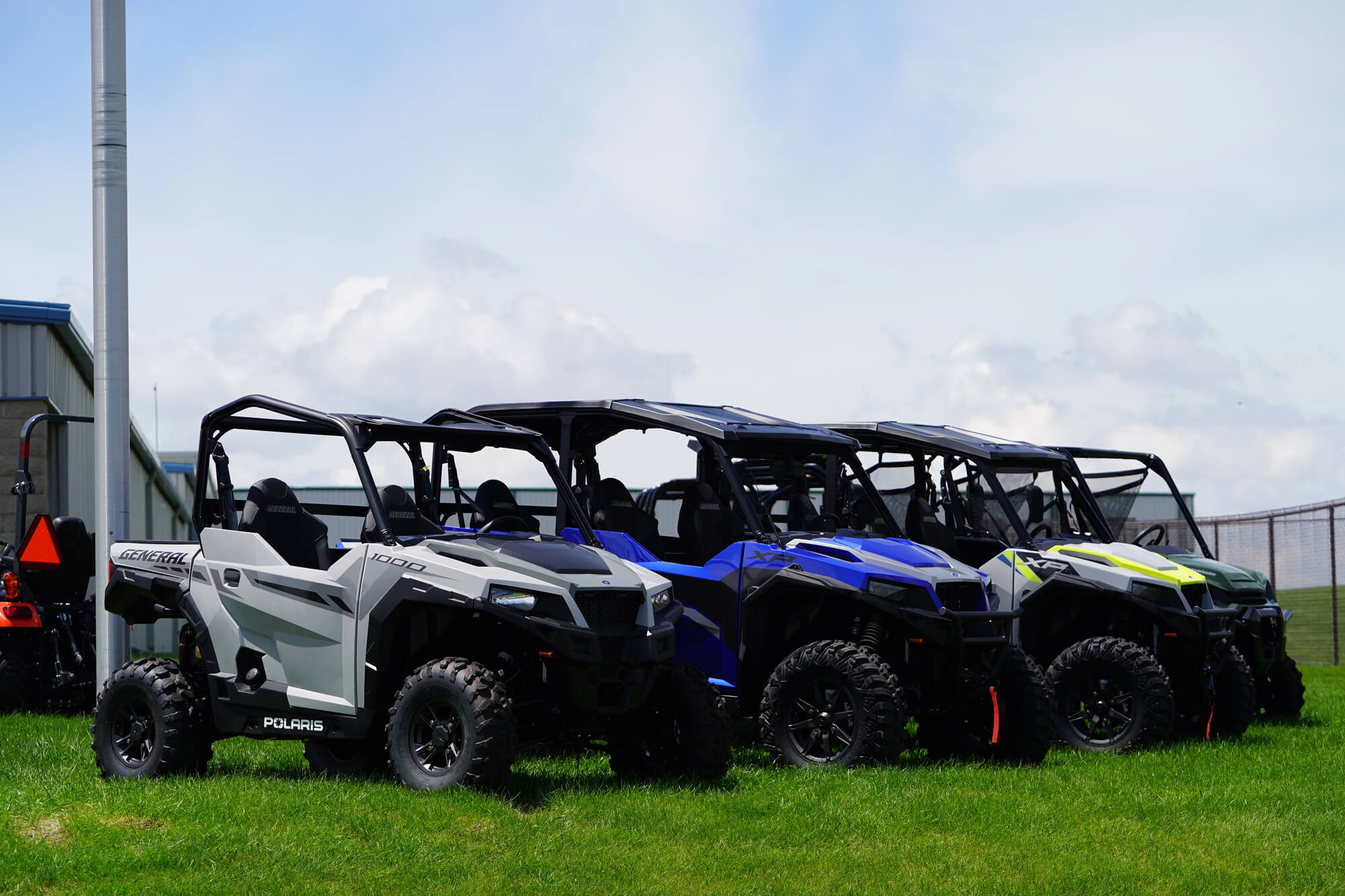
- Recognized brands like Yamaha, Honda, Suzuki, Polaris, and Kawasaki have established market values and a good credit profile.
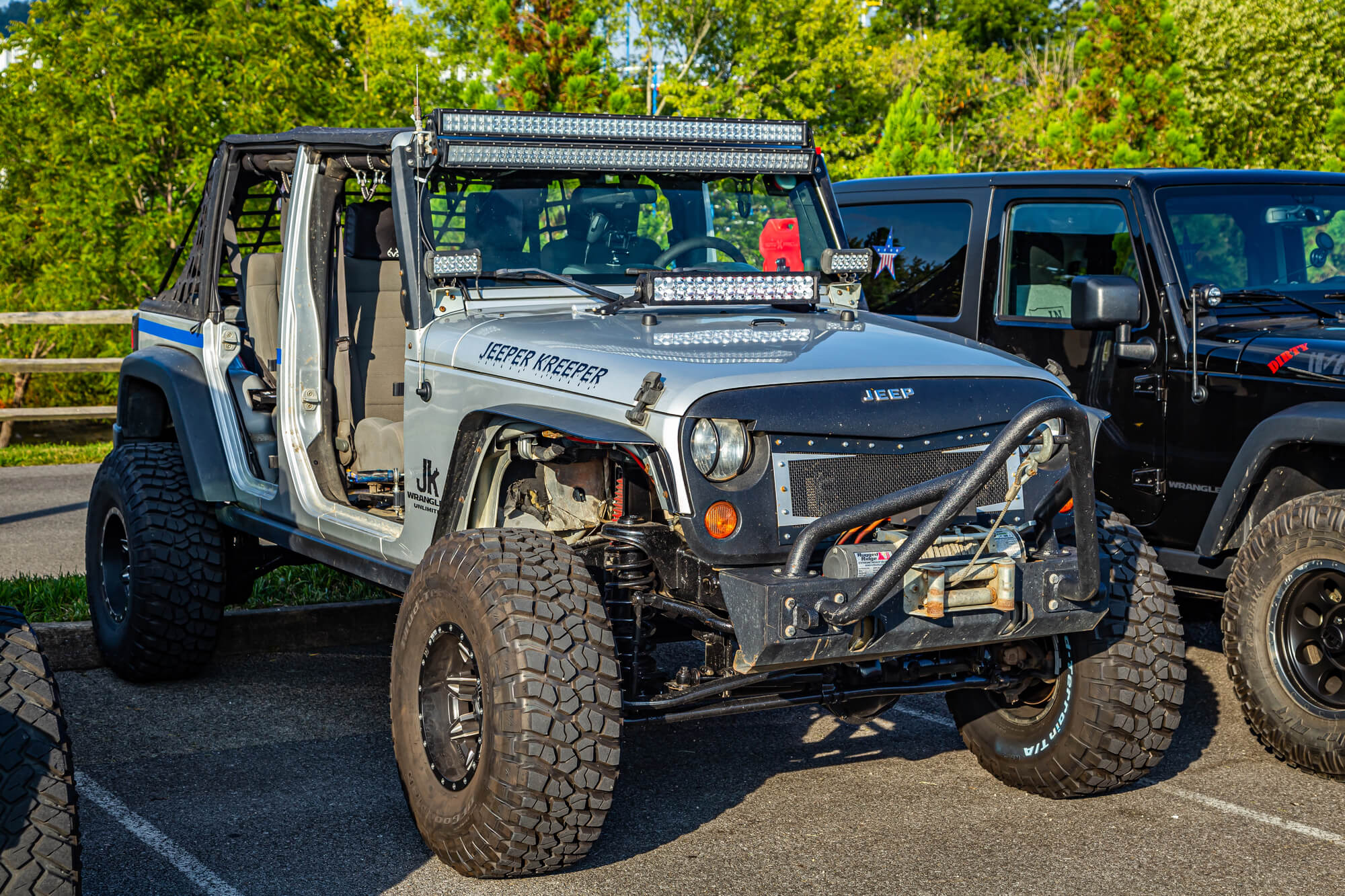
- Clean, verifiable condition rather than heavily modified or difficult-to-value units, which can impact the interest rate.
- Clear title documentation that allows ownership and lien information to be verified is important for lenders assessing creditworthiness.
Exact collateral requirements vary by lender and program. Some financing programs may place restrictions on vehicle age, condition, title status, usage, mileage, hours, or other characteristics.
Choosing a mainstream Utility Terrain Vehicle that fits comfortably within your budget and monthly payments, and opting for a reputable powersports dealer or dealership, can make the overall transaction easier to evaluate.
Consider visiting local dealerships or using an online lender platform for pre-approval options, loan calculator simulations, and financing offers that match your credit history and desired UTV loan rates and terms. By doing so, you can explore various UTV financing solutions, improving your potential loan amount and purchase experience for your off-road adventures.
How to Improve Your Chances Before Applying
You can’t rebuild years of credit history in a month, but you can improve the way your application looks today. The goal is to remove avoidable red flags and present accurate information that gives a lender a clear picture of your finances.
Practical moves to consider include:
- Catching up past-due accounts when possible, particularly recent delinquencies.
- Saving for a larger down payment, which can reduce the amount you need to finance.
- Reviewing your credit reports so you know what credit problems lenders may see, if any, and can dispute legitimate reporting errors before applying.
- Setting a realistic purchase budget before shopping for a UTV.
- Preparing income and identification documents so you can respond quickly if additional verification is requested.
Preparation also matters once you’re ready to apply. Make sure the information you provide about your income, employment, address, monthly obligations, and intended side-by-side UTV purchase is accurate and complete. Missing or inconsistent information can create additional questions during the review process.
Buying a UTV from a Private Seller? Be Extra Prepared for the Loan Application
If you’re buying a UTV from a private seller, be prepared to provide information about the vehicle and transaction as requested.
Title, ownership, purchase, and existing-lien information may need to be verified depending on the lender and transaction.
It’s a good idea to understand those requirements before exchanging money or committing to the purchase.
These steps won’t erase every blemish on your credit history, but they can help you approach the application process, even for instant loan offers or pre-qualification, with fewer surprises and give the lender a clearer picture of both you and the transaction.
If you’re unsure where you stand, speaking with a lender that regularly handles recreational financing, such as Southeast Financial, can help you understand what information may be needed before you commit to a particular side-by-side.
How Does Bad Credit UTV Financing Affect Rates, Terms, and Payments?
A weaker credit profile can affect the cost and structure of a loan. Depending on the lender and program, borrowers with challenged credit may encounter a higher interest rate, different term options, a larger down payment, or a lower maximum amount financed.
The most important variables include:
- Interest rates: The cost of borrowing, generally expressed as an annual percentage rate.
- Loan term: The period over which the balance is repaid.
- Down payment: The amount paid up front rather than financed.
- Amount financed: The principal balance you ultimately borrow.
For UTV and side-by-side financing, our financing options at Southeast Financial usually start at $10,000, with typical loan terms ranging from 36 to 72 months.
Longer terms may be available for certain newer or higher-value vehicles. Available loan amounts and terms depend on factors such as your credit profile, income, vehicle value, and lender requirements.
Down-payment requirements can also vary. For UTV financing, 10% to 20% is a common range, although the amount required for an individual loan depends on the applicant and financing program.
Focus on Total Cost of Loan
Instead of focusing only on the lowest advertised rate or the smallest possible monthly payment, look at the total cost of the loan.
A longer term can reduce the monthly payment, but it may also increase the total amount of interest paid over time. A larger down payment reduces the amount financed and may make the resulting payment easier to manage.
For example, a $15,000 UTV loan could produce substantially different monthly payments and total borrowing costs depending on the APR and repayment term. Comparing both figures can give you a better picture of what the loan will actually cost rather than judging affordability by the monthly payment alone.
Actual approval, APR, payment, down payment, loan amount, and term will depend on your credit profile, the UTV, available lender programs, and other applicable requirements.
Dealer Versus Private-Party: Which Works Better for Bad Credit UTV Financing?
With challenged credit, how you buy the UTV can matter as much as what you buy.
Dealer and private-party purchases can involve different documentation and verification requirements. In either case, a clean transaction generally includes:
- Clear title documentation
- Accurate purchase information
- Payoff information if an existing lien is involved
- Consistent buyer, seller, and vehicle details
- No undisclosed side agreements or unexplained changes to the transaction
When the paper trail is straightforward and easy to verify, the lender can focus on evaluating the borrower and the collateral rather than resolving documentation problems.
If you’re considering a private-party UTV, ask about financing eligibility and documentation requirements before exchanging money or committing to the purchase.
Mistakes That Can Hurt a Bad Credit UTV Financing Application
Bad-credit financing decisions usually reflect the full application rather than a single isolated factor. Some avoidable mistakes can make that application harder to evaluate.
Common issues include:
- Applying without first checking your credit reports, leaving you unaware of errors or unresolved issues.
- Overreaching on purchase price, resulting in a payment that may not fit comfortably within your budget.
- Providing incomplete or inconsistent information about income, employment, debts, or previous credit events.
- Choosing a UTV that does not meet the lender’s collateral requirements.
- Focusing only on the monthly payment without considering APR, loan term, and total repayment cost.
Accurate paperwork, a realistic purchase price, and a payment that fits your finances can help create a clearer application.
Make Your Next UTV Financing Decision With Confidence
Standing in front of a side-by-side you love while worrying about your credit can be frustrating, but understanding how bad credit UTV financing works can make the decision easier.
Your credit score matters, but it is not always the only consideration. Income, debt obligations, recent credit history, the amount you want to finance, the UTV itself, and the specific lender program may all influence the outcome. A higher credit score can often mean lower monthly payments, but your overall financial situation plays a role too, and different lenders, including banks and a credit union, may weigh these factors differently as part of the financing process. Lenders may also look at UTV and ATV loans differently than car loans, so the terms you see for a recreational vehicle may not match what you would expect for a car.
The most useful next step is to understand what your own credit profile, budget, and vehicle choice may support before committing to a purchase. Getting clear on your utv loan questions early, from how a loan agreement is structured to what to expect at signing, can make the path to utv ownership feel far less uncertain. The same approach applies to other types of motorsports financing, including motorcycle financing and boat financing.
Southeast Financial specializes in recreational financing and works with a network of financial institutions to provide UTV and side-by-side financing for both dealership and private-party purchases, along with atv financing for those cross-shopping ATVs, since many buyers compare a four wheeler and a side-by-side before deciding. If your credit is less than perfect, that doesn’t mean there are no options available. Exploring the utv financing options available to you, even with a less than ideal credit history, is often the best way to find a plan that fits your budget.
Approval is subject to creditworthiness and lender requirements. Rates, loan amounts, down payments, terms, and program availability vary by applicant and transaction.

Rate does not apply to refinancing.
Please call for a refi quote: 866.900.8949