For most enclosed cargo trailer owners, the first question that comes up before choosing the right one is probably: What do I even look for in a cargo trailer?
The answer, at least most of the time, is not just the biggest model your tow vehicle can handle, but also matching size to purpose, weight, safety, and efficiency. Whether you’re hauling tools for weekend projects, transporting ATVs for recreation, or storing gear for landscaping or light construction work, understanding trailer weight capacity and configuration is key.
This enclosed cargo trailer size guide breaks down everything you need to make the right decision. From axle setup and GVWR (Gross Vehicle Weight Rating) to ramp doors, payload capacity, and tire sizes, we’ll help you figure out what size truly fits your cargo, your tow vehicle, and your long-term goals.
Choosing correctly means fewer headaches, safer hauling, and better protection for everything you transport.
Know Your Purpose: What Will You Haul?
Before looking at cargo trailer sizes or consulting a size chart, it’s critical to understand what you plan to load. Your payload, cargo capacity, car trailer weight, and axle configuration must align with your actual needs, whether you’re considering a 5×8 trailer, 6×10 trailer, 6×10 cargo, 6×10 enclosed, 6×12 enclosed, or a larger 7×14 enclosed option, and not just what looks good on paper.
Common Personal-Use Trailer Scenarios
- ATVs & Recreational Gear: If you’re transporting one or two ATVs, a motorcycle, or outdoor equipment, a single axle trailer or single axle enclosed model with a ramp door and moderate net weight may be sufficient. Look for options from brands like Carry On or Royal Cargo that include d-rings, radial tires, and reinforced wheel wells for stability and safety.
- Landscaping & Property Work: For hauling ladders, tools, or yard gear, you’ll want an enclosed trailer with secure lockable latches, weather-resistant doors, and sidewall reinforcements. A Homesteader 508CS, similar in footprint to a 6×10 enclosed, offers a smart balance of cargo capacity and compact trailer weight for property work.
- Construction Support or Equipment Transport: For heavier tools, generators, or materials, upgrade to tandem axle setups with higher gross vehicle weight ratings. A car hauler trailer or larger 7×14 enclosed model may be appropriate, especially when hauling equipment that approaches maximum capacity. Look for trailers with ramp assist features, electric brakes, or even an automatic hydraulic surge brake system, depending on your load.
- Collectibles & Hobby Gear: Moving a collectible car or restoring motorcycles? You’ll want full-length interior coverage similar to a car hauler trailer, padded side walls, and stone guards for weather protection. Security add-ons like a breakaway switch, safety chains, and multi-point hitch components matter just as much as size, whether you choose a tandem axle or single axle enclosed configuration.
Match Trailer Function to Size Requirements
Ask yourself:
- Will this be occasional use or frequent transport, and does a 5×8 trailer meet that need or is a 6×12 enclosed more practical?
- Do I need interior space for walking or organizing gear, such as what a 7×14 enclosed provides compared to a 6×10 trailer?
- How heavy is my average load, factoring in car trailer weight, axle limits, and overall capacity rather than just interior volume?
Understanding your use case helps you decide whether you need a lightweight single axle enclosed trailer, a more durable tandem axle setup, or upgraded features like an extended tongue, hydraulic surge brakes, or even a reinforced frame and exterior fenders, whether you’re selecting from Carry On, Royal Cargo, or similar trusted manufacturers.
Common Enclosed Trailer Sizes Explained
When it comes to enclosed trailers, one size does not fit all. Choosing the right dimensions depends on how much you haul, the size of your items, and how your load is distributed. Trailer size also affects weight, maneuverability, and how much your tow vehicle can handle safely.
Popular Trailer Sizes and What They Fit
- 5×8 or 6×10 trailers: Ideal for lighter cargo like lawn equipment, motorcycles, or a single ATV. With a standard tongue and a single axle, these car trailers offer easy maneuvering, minimal wind resistance, and lower net weight. Great for personal use where compact utility matters.
- 6×12 or 7×14 trailers: These midsize units offer more floor space and are often equipped with ramp & ramp flap configurations, interior d-rings, and options for torsion axles or leaf spring axles. They’re suitable for heavier tools, construction gear, or multiple pieces of recreational equipment.
- 8.5×16, 8.5×20, and 8.5×24 trailers: Built for maximum load capacity and cargo volume. Often featuring tandem axles, extended tongue options, and higher GVWR ratings, these trailers are used when you’re moving bulkier gear, like multiple motorcycles, larger ATVs, or tall cargo that needs walk-in clearance. Look for rear ramp door setups, LED lights, side access doors, and additional frame reinforcements.
Axle Configurations and Load Distribution
Trailer size is closely tied to axle setup. A single-axle enclosed trailer is lighter and easier to tow for smaller loads, but may have a lower trailer weight capacity. Tandem axles distribute weight more evenly and provide higher gross vehicle weight ratings and better road stability, especially on longer trips or when traveling over uneven terrain.
Consider your tongue weight, wheel size, and whether you’ll benefit from torsion axles for smoother rides or spring axles for budget-friendly durability.
How to Measure for the Right Fit
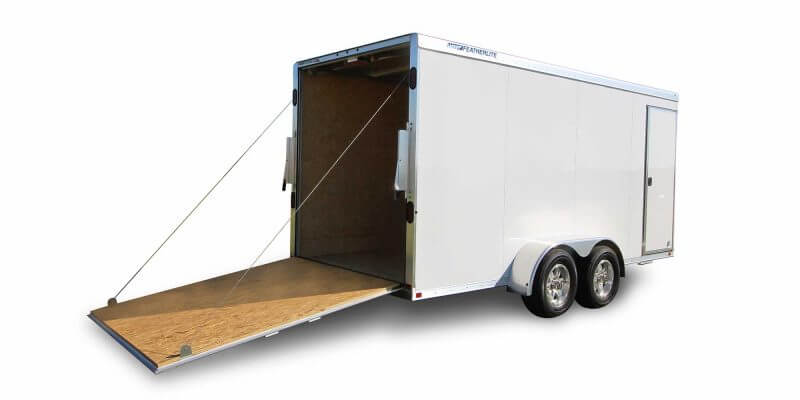
Before making any decisions, you need to know how much usable space is actually inside the enclosed trailer, and not just the trailer sizes listed on the spec sheet.
Interior vs. Exterior Measurements
Manufacturers list the box size (interior space), but that doesn’t always account for wheel wells, side wall thickness, or ramp door hardware. For example, a trailer with a 6-foot width may only offer 68–70 inches of usable width inside, depending on the framing and fender setup.
If you’re hauling wide items like a riding mower or multiple tool chests, verify the floor width between wheel wells and the rear ramp door opening size. Also factor in ceiling height, standard sizes range from 5’ to over 7’ interior height, which affects vertical cargo like ladders or shelving.
Doors, Ramps, and Access
The type and size of your access points matter just as much as the interior length.
- Rear ramp doors (with optional ramp assist or flap) are ideal for rolling in heavy items like motorcycles or ATVs.
- Side doors with lockable latches make it easier to grab gear quickly without unloading everything.
Choose a ramp angle and height that aligns with your most-used cargo.
- A low-slope ramp with a ramp flap is safer for loading items with small wheels.
- Meanwhile, barn doors offer better clearance in tighter spaces and are sometimes preferred when working in snow, gravel, or uneven terrain.
Match Your Trailer to Your Tow Vehicle
One of the most overlooked factors in choosing the right enclosed cargo trailer size is your tow vehicle. It doesn’t matter how impressive the trailer is; if your vehicle can’t handle the weight, you’re setting yourself up for safety risks, mechanical stress, and potential damage to both trailer and truck.
Understand Towing Capacity and GVWR
Your vehicle’s towing capacity should exceed the trailer’s Gross Vehicle Weight Rating (GVWR), which includes the trailer’s net weight plus the maximum load it can carry. This is often where people miscalculate, thinking only in terms of the trailer’s size, not its max carrying capacity or the added load from gear or equipment.
Let’s say your trailer has a GVWR of 7,000 pounds and a payload capacity of 4,000 pounds. If your tow vehicle is only rated for 6,000 pounds, you’re already over capacity, even before you load a single ladder or toolbox.
Check the Hitch, Axles, and Safety Systems
Verify that your hitch system, coupler, safety chains, and breakaway switch match the tongue weight and overall trailer weight. For longer or heavier setups, consider an extended tongue for better turning clearance, especially with wider trailers or enclosed models featuring exterior fenders.
Also consider:
- Axle configuration: Single axles may be fine for lighter loads, but tandem axles are far more stable under higher weights.
- Brake systems: Larger trailers should have electric brakes or an automatic hydraulic surge brake. These reduce strain on your vehicle and improve control, especially downhill or in wet weather.
Why Size Misjudgment Causes Issues
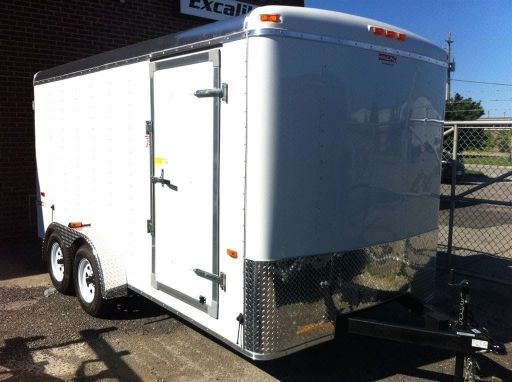
Trailer size isn’t just about “fitting your stuff.” Trailer sizes will directly affect how safely, efficiently, and legally you can tow. Choosing too small or too large a trailer brings specific problems you’ll feel every time you hitch up.
When the Trailer is Too Small
Going too small can cause:
- Overloading the trailer beyond its payload capacity or trailer weight capacity
- Unsafe cargo stacking or forced placement near the back, leading to trailer sway
- Unstable braking performance, especially without a balanced load across axles
- Premature wear on wheels, radial tires, and brake systems
Even if a trailer seems large enough, don’t forget that tools, ramps, fuel cans, and spare parts add weight quickly. And without enough cargo capacity, you’ll either overload it or make more trips than necessary.
When the Trailer is Too Large
Oversizing comes with its own complications:
- Reduced fuel efficiency due to added wind resistance
- Difficulty maneuvering or storing the trailer on residential property
- Higher upfront cost for unused space and heavier-duty components
- Mismatch between your tow vehicle and the trailer’s GVWR
Also, larger trailer sizes often require upgraded hitch components and may push the limits of a standard pickup’s capacity. You might also need enhanced visibility gear, like towing mirrors and wider ramp doors or side access points.
The key is to select a trailer size that matches your actual usage, not your “just in case” scenarios.
Other Factors That Influence Size Choice
Choosing the right enclosed cargo trailer size goes beyond what you’re hauling today. A practical enclosed cargo trailer size guide considers how you’ll use the trailer, how often you’ll tow, and how securely you can store and access your cargo. These situational factors are a crucial factor in avoiding frustration and ensuring long-term value, customer satisfaction, and an informed decision when selecting an enclosed trailer.
Weather, Terrain, and Exposure
Weather protection is one of the main reasons people choose enclosed car trailers over open utility cargo trailers. However, enclosed trailer performance varies depending on climate, terrain, and hauling needs:
In wet or snowy regions, prioritize enclosed cargo trailers with sealed side walls, stone guards, and high-quality barn doors or ramp door seals to protect cargo, vehicles, and rolling equipment from moisture intrusion.
For high heat or humidity, features like interior ventilation, corrosion-resistant components, torsion axles, treated frames, and reinforced wheel wells improve durability and protect trailer weight capacity over time.
Wind resistance increases with taller enclosed trailers, larger interior height, and longer length, which can affect handling, braking systems, and fuel efficiency—especially when towing large enclosed trailers at highway speeds or in storms.
Storage Footprint and Accessibility
Storage space and accessibility often determine whether a size trailer is practical for your location and usage patterns:
At-Home or Off-Site: Compact trailers or mid size trailers like a 6×12 enclosed cargo trailer may fit easily in a garage or side yard, while large trailers or heavy duty enclosed car trailers may require expanded storage or off-site facilities.
Access: Consider whether side doors, barn doors, or a rear ramp door with ramp assist provide the quick access you need, especially in tight spaces or when loading stackable items.
Maneuverability vs Storage: Shorter wheelbase length, lighter trailers, and single axle trailers are easier to park and tow, while tandem axles improve stability and payload capacity but increase the storage footprint.
Trailer Customizations for Organization
You don’t always need a larger size just to gain extra room. Many enclosed cargo trailers offer practical features that maximize actual usable space and true cargo volume without moving up to large enclosed trailers.
Common upgrades include shelving systems for cargo hauling, E-track rails, LED lighting, reinforced d-rings, upgraded wheels and radials, and optional electric brakes. These features allow compact trailers and mid size trailers to carry more efficiently, helping trailer owners stay within towing capacity, trailer’s GVWR, and realistic budget limits.
The Right Size = The Right Tow
Selecting the right trailer size balances cargo space, trailer dimensions, axle configuration, and tow vehicle compatibility. A smaller size like a 5×8 may handle light duty hauling such as lawn equipment or camping gear, while a 7×16 enclosed cargo trailer with tandem axles, electric brakes, and higher weight capacity supports serious hauling, transporting vehicles, race teams, or mobile businesses.
Rather than focusing only on square footage, evaluate interior length, interior height, axle type, braking systems, hitch compatibility, payload capacity, and future hauling needs. Too small leads to cramped loading, lower capacity, and limited flexibility, while oversizing may reduce maneuverability and increase costs.
The right size trailer provides ample space, safe handling, and long-term value without exceeding towing limits or compromising control.
Southeast Financial Can Help You Tow with Confidence
Whether you’re hauling ATVs, transporting vehicles, moving cargo for general utility use, or upgrading enclosed cargo trailers for heavier loads, Southeast Financial helps you choose the right trailer safely and affordably.
We specialize in trailer financing that supports informed decisions:
- Fast, secure online applications
- Trailer-specific financing for enclosed cargo, not commercial-use loans
- Flexible terms across a wide range of credit profiles
- Lending expertise tailored to enclosed cargo trailers, cargo hauling, and ensuring compatibility with your tow vehicle
Southeast Financial is here to help you choose the right size, tow with confidence, and invest in enclosed cargo trailers built to carry your equipment, protect your load, and deliver long-term value.
Ready to get started? Apply online today and let’s find the right trailer for your next haul..
for your next haul.