Owning an enclosed cargo trailer opens a world of convenience, mobility, and freedom. Whether you’re hauling gear for weekend adventures, towing a small camp trailer, or moving project materials with a utility trailer, the initial purchase is only part of the equation. Just like with any investment, especially in RV life or equipment transport, there are costs beneath the surface that many first-time owners overlook.
From routine trailer maintenance and insurance to long-term depreciation, certified inspections, and storage solutions, understanding the true cost of cargo trailer ownership means going beyond the sticker price.
That’s why we’ve created this detailed guide to help individuals, adventurers, and even those transporting equipment or vehicles make informed decisions before committing to ownership.
What Does “Cargo Trailer Ownership” Really Mean?
At a glance, a cargo trailer may seem like a simple box on wheels. But look closer, and you’ll find a complex piece of towable equipment engineered to haul valuables safely across diverse terrain and under changing weather conditions. Whether it’s a compact 5×8 utility trailer for landscaping tools, a dual-axle equipment trailer, or a fully enclosed camp trailer outfitted for weekend trips, owning one comes with both upfront costs and ongoing responsibilities.
Types of Cargo Trailers & Their Primary Uses
- Enclosed Cargo Trailers: Ideal for secure transport of sensitive gear, motorcycles, and tools. These models often come with optional security devices like hitch lock devices, wheel clamps, and interior shelving systems.
- Horse & Equipment Trailers: Designed for transporting livestock or heavy gear with stability and safety in mind.
- Utility Trailers: Versatile open cargo trailers suited for homeowners, contractors, or anyone moving materials or small machinery.
Other forms of trailers that require similar expenses are:
- Travel Trailers & Toads: Popular among RV enthusiasts, offering mobile living space and ease of detachment.
- Flatbed Trailers: Perfect for transporting vehicles, oversized equipment, or building supplies.
- Camp Trailers: Lightweight and often convertible, these trailers support off-grid or minimalist RV life.
No matter your trailer type or use case, it’s important to consider more than just towing capacity or square footage.
Enclosed trailer ownership includes financing considerations, long-term expenses like trailer service centre visits, registration assistance, certified VIN checks (Vehicle Identification Number), tow vehicle accessories, and annual servicing for both the tow vehicle and the cargo trailer, often required to maintain a manufacturer’s warranty.
As with any major purchase, understanding your trailer’s intended use helps you weigh long-term value against maintenance costs, depreciation, and other ownership expenses that can creep up fast if you’re unprepared.
The Initial Cost vs. Long-Term Expenses
The price tag on that cargo trailer you have your eyes set on is only the beginning. You need to truly understand what you’re committing to financially. Many individuals focus solely on the upfront costs of factory-direct trailers, but it’s the long-term expenses that often define the real price of trailer ownership.
Buying New vs. Used
New enclosed cargo trailers come with the peace of mind of a manufacturer warranty and the assurance of zero mileage or wear. They also tend to include helpful extras like registration assistance, RV parts bundles, or security upgrades. Prices can range from under $5,000 for small utility trailers to over $20,000 for fully equipped travel trailers or equipment trailers.
On the other hand, used trailers present a tempting cost comparison advantage. However, they may come with hidden issues: worn tires, unreported frame rust, or the lack of up-to-date auto checks or certified inspections. Without proper due diligence or help from a trusted trailer service centre, used trailer buyers can end up spending thousands on repairs within the first year alone.
Customization and Upgrades
Every cargo trailer owner eventually considers upgrades. Whether you’re adding a ventilation system to a horsebox, enhancing insulation in a cargo trailer, or reinforcing the floor for transporting equipment, upgrades can range from $500 to well over $5,000, depending on your trailer type and intended use.
It’s also worth noting that modifications may impact your insurance coverage or invalidate parts of your manufacturer’s warranty. Always consult with your provider before undertaking major changes.
Financing: Monthly Payments and Total Loan Costs
Unless you’re paying cash, most cargo trailer owners will engage in financing. And while financing can make trailer ownership more accessible, it’s also where many long-term expenses start to compound.
Loan Terms, Interest Rates & Credit Score Impact
Southeast Financial offers competitive trailer financing with options available for a wide range of credit profiles, including individuals with scores as low as 575.
- Loan terms typically range from 3 to 15 years. While longer loan terms may reduce your monthly payment, they increase total interest paid over time.
- Interest rates vary depending on your credit history, trailer type, and whether the trailer is new or used. Using tools like Southeast Financial’s trailer financing calculator helps you preview payments and align them with your monthly budget.
Down Payment, Insurance Requirements & Lender Fees
Most lenders require a 10–20% down payment. If your trailer costs $10,000, that’s $1,000–$2,000 upfront before you even hit the road. Be sure to budget for:
- Lender origination fees
- Title and registration costs
- Required insurance coverage (often needed before loan disbursement)
Southeast Financial helps recreational owners secure fast approvals for personal use cases like RV life or weekend towing.
Our goal is to provide transparent lending that avoids hidden lender fees and connects you to long-term value.
Insurance Costs You Can’t Ignore
One of the most underestimated aspects of cargo trailer ownership is insurance.
- Whether you’re towing a travel trailer for personal use or storing valuable equipment in an enclosed cargo trailer, adequate insurance protects against theft, damage, and liability.
- And in many cases, especially with financed trailers, proof of insurance is required before funds are even released.
What Trailer Insurance Typically Covers
A standard trailer insurance policy may include:
- Collision coverage: Pays for damage from accidents, even if you’re at fault.
- Comprehensive coverage: Covers theft, vandalism, fire, and weather-related incidents.
- Liability coverage: If your trailer causes injury or property damage during transport.
- Roadside assistance: For flat tires, battery jumps, or towing.
- Tow vehicle coverage: The vehicle you use to tow a cargo trailer will also likely see higher insurance costs if you are using it to regularly haul cargo.
Some owners may also choose to insure the contents of their trailers, particularly when transporting equipment, RV parts, or other valuables.
Factors That Affect Premiums
Several factors influence what you’ll pay annually:
- Trailer type and value: Larger enclosed cargo trailers and factory-direct trailers with added features will typically carry higher premiums.
- Usage frequency: Occasional RV life towing vs. frequent hauling will affect your rates.
- Location and storage: Trailers stored outdoors or in high-risk regions (e.g., flood or storm-prone areas) cost more to insure.
- Security devices: Using a hitch lock device, GPS tracker, or wheel clamp may reduce your premiums.
Typical annual insurance costs for a personal-use enclosed trailer range from $150 to $500, depending on these variables.
Keep in mind, trailers used in business or contractor applications often require separate commercial policies.
Maintenance and Wear-and-Tear Costs
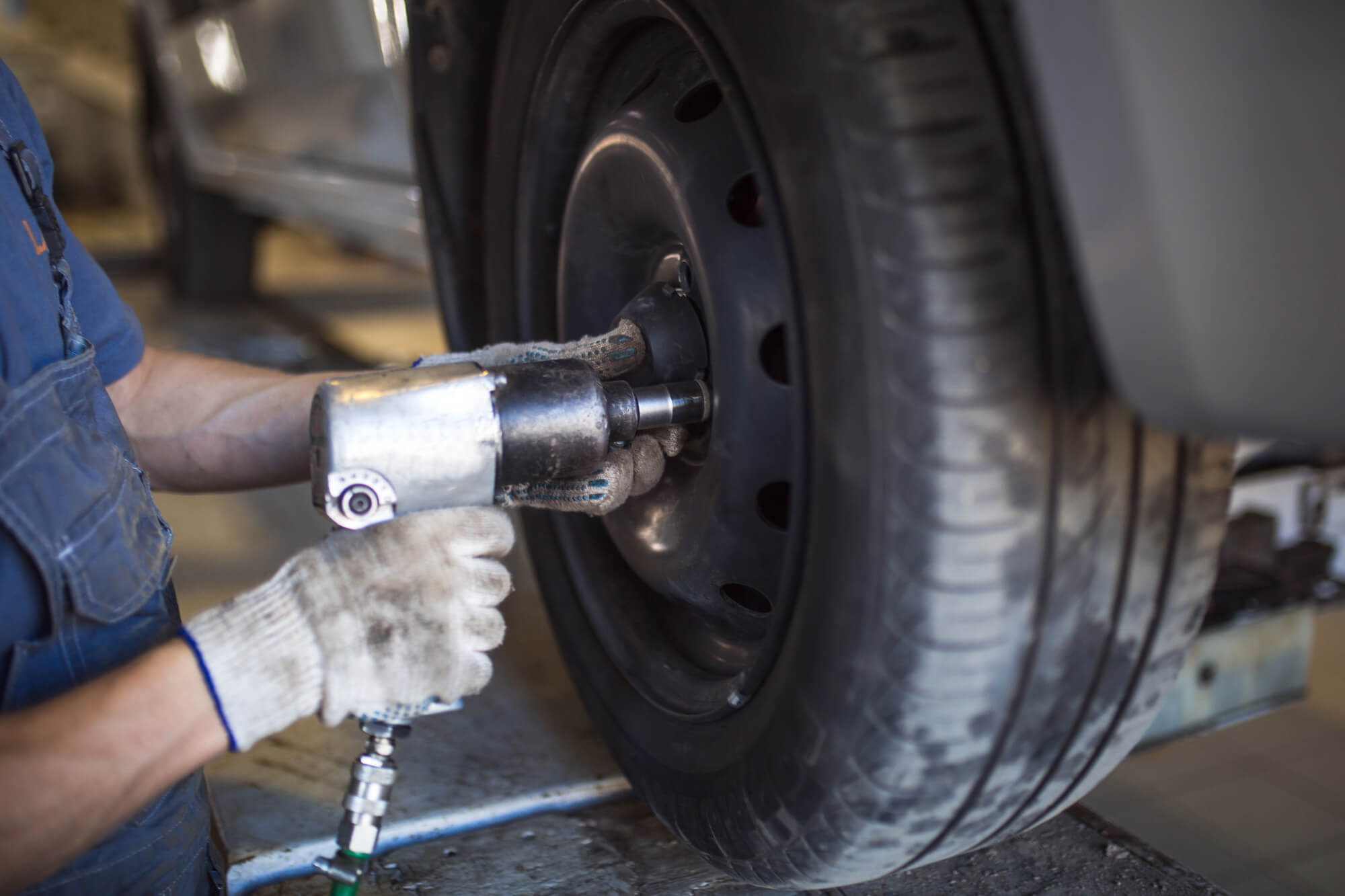
Even the best-built trailers require consistent upkeep. From road stress to seasonal exposure, every trailer—whether it’s a camp trailer, flatbed trailer, or utility trailer—faces wear that adds to long-term expenses. Maintenance costs are not optional; they’re an essential part of ownership.
Preventive Maintenance Essentials
Regular maintenance prevents breakdowns, preserves long-term value, and helps avoid early depreciation. At a minimum, you should budget annually for:
- Tire replacements and rotations
- Brake service or adjustments
- Lubrication of hinges, axles, and suspension systems
- Electrical system inspections (lighting, wiring)
- Lubrication system checks
A typical annual servicing at a trailer service centre might cost $300–$800, depending on trailer size, load rating, and mileage.
Common Repairs & Unexpected Failures
If you delay maintenance, small issues can evolve into expensive repairs. Examples include:
- Rust damage to frames or couplers
- Cracked axles or worn suspension components
- Wiring shorts due to moisture or rodent damage
- Door misalignment or lock malfunctions
These costs can escalate quickly, as repairs often range from $150 for minor fixes to $2,000+ for axle replacements or structural issues.
Southeast Financial strongly encourages certified inspections at least once per year, especially for high-mileage or aging trailers.
Owners who live in colder climates should also factor in winterizing & dewinterizing costs, which may include draining systems, applying anti-rust coatings, and prepping tires and hitches for long-term storage.
Storage and Seasonal Downtime Expenses
Owning a cargo trailer also means planning for where and how you’ll store it during downtime. Whether you use it year-round or only for seasonal projects and travel, storage plays a direct role in maintenance costs, depreciation, and overall trailer longevity.
Indoor vs. Outdoor Storage
While at-home parking is ideal for some, not every neighborhood allows it, and not every owner has the space. That’s where dedicated trailer storage facilities come in.
- Indoor storage: Offers protection from UV rays, moisture, and temperature swings. Costs typically range from $100 to $200 per month, depending on trailer size and region.
- Outdoor storage: More affordable, but it exposes your trailer to rain, snow, ice, and sun. Expect to pay $50 to $125 monthly.
Security devices like hitch lock devices, wheel clamps, and GPS trackers can lower storage risks and insurance premiums. Using breathable covers is also essential to prevent condensation damage.
Preparation for Storage (Winterization, Cleaning, etc.)
Before you park your enclosed cargo trailer for an extended period, it’s critical to go through a proper winterizing & dewinterizing routine:
- Clean the interior and exterior to remove road grime, salt, or organic buildup.
- Inspect seals, doors, and hinges; lubricate all moving parts.
- Disconnect any onboard power sources; apply dielectric grease to electrical connectors.
- Inflate tires to manufacturer specs to avoid flat spots.
- Use jack stands to relieve stress from axles and suspension.
Many owners underestimate how much damage can occur during passive months. Deferred maintenance leads to dry rot, rust, and brake deterioration, all of which create serious safety issues and long-term expenses down the line.
Depreciation and Resale Value
Just like vehicles or motorhomes, cargo trailers depreciate over time. However, how fast your trailer loses value—and how much it retains—depends largely on how well you manage ongoing costs, upkeep, and documentation.
Trailers as Depreciating Assets
On average, trailers lose about 15% to 25% of their value in the first year alone. After five years, depreciation can exceed 50%, especially if maintenance is inconsistent or cosmetic damage is visible. Enclosed trailers with specialty features, damaged axles, or non-working electrical systems often sell well below market average.
Flatbed trailers and utility trailers typically depreciate more slowly than enclosed models, especially if they’ve been stored properly and have minimal rust or wear.
If you ever plan to resell or trade in your cargo trailer, preserving its value should be top-of-mind. Here’s how:
- Stick to a consistent service schedule at an authorized trailer service centre.
- Keep records of annual servicing, upgrades, warranty claims, and certified inspections.
- Use RVFix or similar tools to track component health.
- Maintain cosmetic appeal: wash, wax, and touch up paint as needed.
- Replace worn-out parts with OEM-approved RV parts or equipment.
A well-documented and well-maintained trailer may retain up to 70% of its value even after several years, especially in high-demand categories like equipment trailers or camp trailers used for RV life.

Extended Warranties and Protection Plans
When unexpected repairs strike, an extended warranty can mean the difference between a manageable service bill and a costly setback in overall cargo trailer ownership costs. Whether you’re investing in a new trailer or refurbishing a used trailer, extended protection is often worth considering as part of responsible trailer ownership and long-term planning.
What They Cover
Extended warranties for enclosed trailers, including many cargo trailer and utility trailer models, typically include coverage for essential equipment and components that impact reliability, safety, and total cost of ownership:
- Suspension system components such as wheel bearings and axles
- Brake assemblies, electrical systems, and interior lighting
- Hitch mechanisms, couplers, ramps, ramp doors, and spare tire mounts
- Structural integrity, including frame welds, roof panels, doors, ladder racks, and e tracks
Some warranties also offer roadside assistance, towing support, trip interruption reimbursement, or limited coverage related to RV service & repairs, depending on trailer type, manufacturer, usage, and whether the trailer is classified for personal use or commercial business use.
These warranties usually last from 1 to 7 years and may be bundled with manufacturer warranty coverage from trailer manufacturers or offered through third-party providers at a dealership. Expect costs to range between $300 and $2,000, depending on coverage level, trailer value, purchase price, and market conditions.
Are They Worth It?
If you use your trailer frequently to transport equipment, haul heavy cargo, or support logistics needs, store it outdoors, or own a specialty model such as a dump trailer, sideboard trailer, boat trailer, car hauler, enclosed car trailer, semi trailer, construction trailer, travel trailer, or horsebox, extended coverage can reduce long term costs and unexpected repair expenses. Protection plans also help preserve resale value when you sell or register the trailer later, especially for buyers concerned about maintenance, repairs, trailer weight limits, trailer sizes, and overall quality tied to hauling and transport demands.
Most people who plan on owning a trailer for years find warranties helpful when factoring in maintenance costs, insurance, registration, storage, fuel consumption related to the tow vehicle or truck, and real-world hauling use. Whether it’s a homemade trailer or a professionally built unit, these factors all contribute to the total cost beyond the initial price, down payment, or financing terms.
Before you buy, check for important other considerations such as:
Coverage exclusions for commercial use, unapproved modifications, logistics or transport limits, or trailer weight restrictions
Claims process clarity, repair timelines, and access to certified service centres
Deductibles, repair location restrictions, and whether you must use approved manufacturers or facilities
Always align your warranty choice with how often you expect to use the trailer, how you load and unload cargo or vehicles, the trailer sizes you operate, and whether your usage is personal or business-related.
How Southeast Financial Can Help
Understanding the full picture of cargo trailer ownership costs is essential when making an informed investment. Whether you are towing for RV life, construction projects, utility work, personal transport, weekend travel, or broader logistics needs, budgeting for maintenance, repairs, insurance, fees, and long-term value ensures fewer surprises and better financial control.
At Southeast Financial, we simplify trailer financing with flexible financing options designed to fit a wide range of budgets. From new trailer purchases to used trailer deals, we offer competitive financing programs, clear monthly payments, and options for buyers with credit scores starting at 575. Whether you want to pay less upfront, reduce monthly payments, or manage money more efficiently, our team helps you find a deal that fits your needs.
Ready to move forward? Apply online today and explore our trailer financing solutions for cargo, utility, and specialty trailers. We’ll help you own with confidence, protect your investment, and get the most value from your trailer over time.