Buying a recreational vehicle (RV) is one of the most exciting purchases many travelers will ever make. Whether you’re dreaming of weekend camping trips, cross-country adventures, full-time travel, or simply having a comfortable home base for exploring new destinations, there’s an RV designed for nearly every lifestyle and budget.
The challenge is deciding which one is right for you.
Today’s RV market offers more choices than ever before, from compact teardrop camper trailers and pop-up campers to luxurious Class A diesel motorhomes with residential refrigerators, washer and dryer units, and enough living space to rival many apartments.
Some RV owners prioritize fuel economy and campground access, while others focus on storage, sleeping capacity, or full-time living comfort.
Understanding the differences between motorhomes and towables is the first step toward making the right purchase decision. Beyond the initial purchase price, prospective buyers should also consider factors such as towing capacity, maintenance costs, financing options, campground restrictions, storage requirements, and how they realistically plan to use their RV.
In this types of RVs guide, we’ll break down the major categories, explain the pros and cons of each, discuss the best amenities available, examine financing considerations, and help you determine which type of RV best matches your travel goals.
Whether you’re a first-time buyer attending an RV show, a family planning long summer vacations, or a future full-time RV’er researching your options, this guide will help you navigate the shopping process with confidence.
Understanding the Two Main Types of RVs
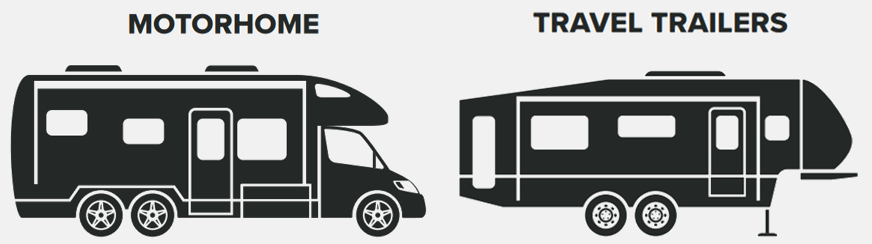
Every recreational vehicle on the market falls into one of two primary categories: motorhomes and travel trailers.
While both offer a way to enjoy the RV lifestyle, the ownership experience can be dramatically different depending on which option you choose.
Each option offers distinct advantages and drawbacks depending on your travel style, family size, budget, and long-term goals.
Motorhomes
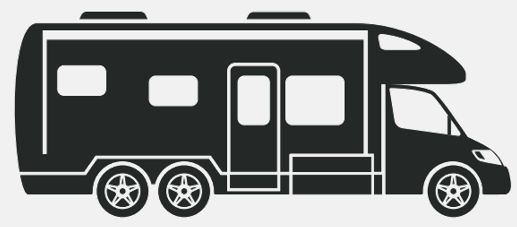
Motorhomes, or motorized RVs, are self-contained recreational vehicles that combine driving and living accommodations into a single unit. Because everything is integrated into one vehicle, motorhomes offer a highly convenient travel experience and remain one of the most popular options for RV enthusiasts.
Most motorhomes include:
- Full kitchens
- Bathrooms and showers
- Sleeping areas
- Climate control systems
- Entertainment systems
- Storage compartments
- Freshwater and waste tanks
Depending on the model, motorhomes can range from compact camper vans to luxury coach-style rigs that rival traditional homes in terms of amenities and comfort.
Pros of Owning a Motorhome
- Spacious living areas with slide outs.
- Convenient all-in-one travel experience.
- Easier setup at campgrounds.
- Greater access to onboard amenities while traveling.
- Excellent option for long trips and full-time travel.
Cons of Owning a Motorhome
- Higher purchase prices.
- Increased maintenance and repair costs.
- More expensive insurance.
- Lower fuel economy than many towable setups.
- Larger models can be challenging to maneuver, park in campgrounds, or reach certain destinations, especially in urban areas.
Who Are Motorhomes Best For?
Motorhomes are often the preferred choice for:
- Full-timers
- Retirees
- Long-distance travelers
- Luxury travel enthusiasts
- Families taking extended vacations
Because the living space is always accessible, motorhomes are particularly appealing to travelers who spend significant time on the road and frequently move between destinations.
H4: Financing a Motorhome
Motorhome financing typically differs from financing smaller towable RVs due to higher purchase prices. Some, like Class A motorhomes, especially Class A diesel engine motorhomes and luxury Prevost-style coaches, can easily reach six-figure price points. As a result, lenders often offer longer loan terms to help make monthly payments more manageable.
Others, like the Class C motorhomes,, represent the middle ground and offer financing flexibility, but can still be a larger investment than towables.
When evaluating motorhome financing, buyers should consider not only the RV loan itself but also ongoing ownership expenses such as insurance, fuel, maintenance, storage, and campground fees.
Travel Trailers
Travel trailers are towable RVs that connect to a separate vehicle using a hitch. Unlike motorhomes, travel trailers do not have their own engine, which makes them generally less expensive to purchase and maintain.
Travel trailers come in a wide variety of sizes and configurations, including:
- Teardrop camper trailers
- Pop-up campers
- Hybrid trailers
- Traditional camper trailers
- Toy haulers
- Fifth wheel trailers
This flexibility has made travel trailers one of the fastest-growing segments of the RV market.

Pros of Owning a Travel Trailer
- Lower purchase prices.
- Reduced maintenance costs.
- Greater variety of sizes and floorplans.
- Ability to use your tow vehicle separately after setup.
- Easier long-term ownership costs.
Cons of Owning a Travel Trailer
- Requires a capable tow vehicle.
- Requires towing experience.
- Set up and breakdown take longer.
- Living space is inaccessible while traveling.
- Some models require specialized hitch systems.
Who Are Travel Trailers Best For?
Travel trailers are often ideal for:
- First-time RV owners
- Budget-conscious buyers
- Weekend campers
- Families
- Occasional travelers
Because they offer excellent flexibility and lower ownership costs, travel trailers are often the easiest entry point into RV ownership.
Financing a Travel Trailer
Travel trailer financing is often more accessible than motorhome financing because purchase prices are generally lower.
However, buyers should remember that the total investment may include:
- The trailer itself
- A tow vehicle
- Hitch equipment
- Fifth wheel hitch systems, when applicable
- Storage solutions
- Insurance
Many buyers focus solely on the trailer price while overlooking the towing requirements needed to safely transport the vehicle.
For first-time buyers, understanding your vehicle’s towing capacity before shopping can help narrow your options and prevent purchasing a trailer that exceeds your vehicle’s capabilities.
Popular Motorhome Class Types
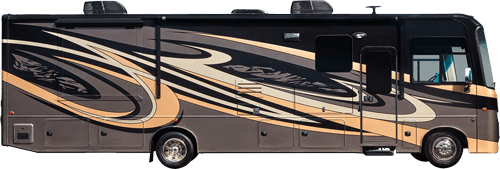
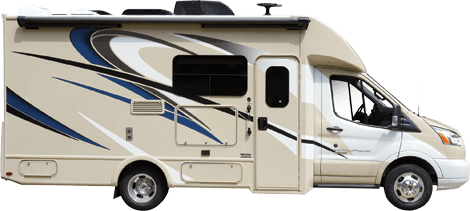
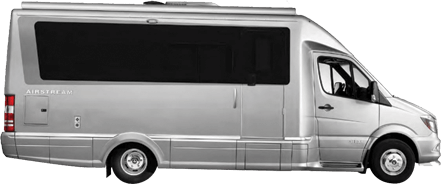
Motorhomes are divided into three primary RV classes: Class A, Class B, and Class C.
Each class offers a different combination of size, comfort, amenities, driving experience, fuel efficiency, and overall cost. Understanding these differences is essential before making a purchase decision.
Class A Motorhome
The Class A motorhome represents the pinnacle of luxury recreational vehicle travel.
Often built on heavy-duty commercial or bus-style chassis, Class A motorhomes are the largest RV class available and are designed for travelers who want maximum comfort and living space.
Many Class A motorhomes range from 30 to 45 feet in length and provide amenities that closely resemble those found in a traditional home.
Best Amenities in a Class A Motorhome
Depending on the model, amenities may include:
- Residential refrigerator
- Full-size kitchen with sink, fridge, and two-burner stove or larger
- King-size bedroom suites
- Multiple bathrooms
- Washer and dryer units
- Large entertainment systems
- Fireplace features
- Multiple slide outs
- Basement storage
Luxury models may also include premium finishes, smart-home technology, heated flooring, and high-end furniture.
Who Should Buy a Class A Motorhome?
A Class A motorhome is often best suited for:
- Full-timers
- Retirees
- Luxury travelers
- Large families
- Long-term travelers
For people planning months-long adventures or a permanent RV lifestyle, few options offer the same level of comfort and convenience.
Financing a Class A Motorhome
Because these vehicles often represent the largest recreational vehicle purchases, financing becomes an important consideration.
Luxury Class A and diesel pusher motorhomes can cost several hundred thousand dollars, with premium brands reaching even higher price points.
Many buyers choose longer-term RV financing to manage monthly payments while preserving cash flow for travel expenses and campground costs.
Buyers should also evaluate ownership costs such as fuel consumption, maintenance, insurance, and storage before purchasing.
Class B Motorhome
Often called campervans, Class B motorhomes are the smallest motorized RVs available.
Built on van chassis, these recreational vehicles prioritize maneuverability, fuel economy, and convenience over interior living space.
Their popularity has surged in recent years as more travelers embrace flexible, adventure-focused lifestyles and shorter travel experiences.
Best Amenities in a Class B Motorhome
Despite their compact size, many modern Class B motorhomes can include:
- Small kitchens
- Compact bathrooms
- Wet baths (combined sink, shower, and toilet area)
- Convertible sleeping areas
- Solar power systems
- Lithium battery packages
- Smart storage solutions
- Off-grid capabilities
Manufacturers have become remarkably efficient at maximizing every square foot of available space.
Who Should Buy a Class B Motorhome?
Class B motorhomes are often ideal for:
- Couples
- Solo travelers
- Weekend adventurers
- Boondocking enthusiasts
- National park travelers
Their smaller size allows access to campgrounds and destinations that larger RVs may struggle to reach.
Financing a Class B Motorhome
Many first-time buyers are surprised to discover that Class B motorhomes can be expensive despite their smaller size.
Their high demand, coupled with the advanced engineering and premium features needed to compensate for their smaller size, often results in prices comparable to those of some larger Class C models.
However, their strong resale values and lower operating costs often make them attractive long-term investments for active travelers.
Class C Motorhome
Class C motorhomes occupy the middle ground between Class A and Class B motor homes.
Built on van or truck chassis platforms, they are easily recognized by their distinctive over-cab sleeping area.
For many buyers, Class C models offer the ideal balance of living space, drivability, and affordability.
Best Amenities in a Class C Motorhome
Popular Class C amenities include:
- Cab-over sleeping areas
- Large dinettes
- Family-friendly floor plans
- Outdoor kitchens
- Additional storage space
- Entertainment centers
- Spacious kitchens
- Full bathrooms
Many models comfortably sleep six to eight people, making them popular among families.
Who Should Buy a Class C Motorhome?
Class Cs are often best suited for:
- Families
- First-time motorhome buyers
- Vacation travelers
- Seasonal RV owners
- Buyers upgrading from travel trailers
They provide significantly more comfort than a camper van without the size and complexity of a large Class A coach.
Financing a Class C Motorhome
Class C motorhomes generally fall into a moderate price range and often provide some of the best financing flexibility in the motorhome market.
Because the Class C engine and chassis are typically based on established truck platforms, maintenance and repair costs can sometimes be more predictable than those of larger luxury coaches.
For buyers seeking a balance between affordability and comfort, a Class C motorhome often represents one of the strongest overall values in the recreational vehicle industry.
Popular Travel Trailer Class Types

One of the biggest advantages of towable recreational vehicles is flexibility. Unlike motorhomes, travel trailers allow you to unhitch your RV at the campground and use your tow vehicle independently for sightseeing, errands, and day trips.
Travel trailers also offer some of the widest variety of floorplans, sizes, and price points in the industry, making them popular among both first-time buyers and experienced owners.
Teardrop Camper Trailer
The teardrop camper trailer is one of the smallest and most lightweight towables available.
Named for their distinctive shape, these tiny travel trailers are designed primarily for sleeping and basic camping functionality. Most models can be towed by small SUVs, crossovers, and even some passenger cars.
Best Amenities
Common amenities include:
- Compact sleeping quarters
- Rear outdoor kitchen
- Basic storage compartments
- Solar power options
- Climate control systems
Who Should Buy a Teardrop Trailer?
Teardrop trailers are ideal for:
- Couples
- Solo travelers
- Weekend campers
- Minimalists
- National park explorers
Financing Considerations
Because of their lower purchase prices, teardrop trailers are often among the easiest recreational vehicles to finance.
They also offer lower ownership costs, reduced maintenance requirements, and excellent fuel economy when towing.
Hybrid Trailer
Hybrid trailers combine elements of traditional travel trailers and pop-up camping trailers.
Rigid walls provide greater weather protection while expandable sleeping areas help maximize interior space without dramatically increasing towing weight.
Best Amenities
Popular features include:
- Expandable sleeping compartments
- Compact kitchens
- Dinette areas
- Bathroom options
- Additional storage space
Who Should Buy a Hybrid Trailer?
Hybrid trailers work well for:
- Growing families
- Budget-conscious buyers
- Occasional campers
- Buyers upgrading from tent camping
Financing Considerations
Hybrid trailers often provide an excellent balance between affordability and functionality.
Because they generally cost less than larger travel trailers or fifth wheels, they can be an attractive option for first-time RV buyers seeking manageable monthly payments.
Fifth Wheel Travel Trailer
The fifth wheel trailer is one of the most popular towable categories among serious RV enthusiasts.
Unlike conventional travel trailers that connect using a rear hitch, a fifth wheel trailer uses a specialized fifth wheel hitching mechanism mounted in the bed of a pickup truck. This design provides improved towing stability and allows for significantly larger floorplans.
It is worth clarifying that fifth-wheel travel trailers, even though they are towed by a pickup truck, aren’t the same as gooseneck trailers. While they also latch to the bed of the towing vehicle, gooseneck trailers use a ball and coupler, while fifth wheelers use a flat plate and pin.
Best Amenities
Many fifth wheels include features such as:
- Residential refrigerators
- Large kitchens with fridge, sink, and stove
- Multiple slideouts
- King-size bedrooms
- Washer and dryer prep
- Large entertainment centers
- Extensive storage compartments
Some luxury fifth wheel trailers rival Class A motorhomes in both comfort and features.
Who Should Buy a Fifth Wheel?
Fifth wheels are particularly popular among:
- Full-timers
- Large families
- Retirees
- Long-term travelers
- Seasonal campground residents
They offer some of the best living spaces available in a towable RV.
Financing a Fifth Wheel
Many buyers are attracted to fifth wheels because they often deliver Class A-style amenities at a lower overall purchase price.
However, ownership costs should also include:
- A capable truck
- Fifth wheel hitch installation
- Insurance
- Storage
- Maintenance
Before purchasing, buyers should carefully evaluate their truck’s towing capacity and payload ratings.
Pop-Up Camper
Pop-up campers remain one of the most affordable entry points into RV ownership.
These compact towable collapse during travel and expand when parked, creating surprisingly comfortable living quarters in a lightweight package.
Best Amenities
Depending on the model, amenities may include:
- Expandable sleeping areas
- Small kitchens
- Dinettes
- Storage compartments
- Basic climate control systems
Who Should Buy a Pop-Up Camper?
Pop-up campers are ideal for:
- First-time RV buyers
- Young families
- Occasional campers
- Budget-conscious travelers
Financing Considerations
Their lower purchase prices often make pop-up campers highly accessible from a financing standpoint.
Many buyers appreciate the ability to enter the RV lifestyle without making a large financial commitment.
Truck Campers
Truck campers are self-contained living units designed to fit directly into the bed of a pickup truck.
Unlike travel trailers, they don’t require a separate hitch or trailer connection.
Best Amenities
Modern truck campers may include:
- Compact kitchens
- Bathrooms
- Sleeping lofts
- Solar systems
- Storage compartments
Who Should Buy a Truck Camper?
Truck campers are popular among:
- Outdoor enthusiasts
- Hunters
- Boondocking travelers
- Off-road adventurers
Their compact design allows access to remote destinations that many larger RVs cannot reach.
Financing Considerations
Financing often depends on both the camper and the truck being used.
Buyers should carefully evaluate weight ratings and compatibility before purchasing.
Toy Haulers
Toy haulers combine living space with a dedicated garage area for recreational equipment.
Also known as sport-utility trailers, these versatile RVs have become increasingly popular among travelers who want to bring ATVs, motorcycles, golf carts, bicycles, or other outdoor equipment.
Best Amenities
Popular toy hauler features include:
- Rear cargo garages
- Fuel stations
- Convertible living areas
- Additional sleeping space
- Large storage compartments
Who Should Buy a Toy Hauler?
Toy haulers are ideal for:
- ATV owners
- Motorcycle enthusiasts
- Weekend Warrior-style travelers
- Adventure-focused families
Financing Considerations
Although toy haulers can be more expensive than traditional travel trailers, many buyers find the additional flexibility well worth the investment.
Which Type of RV Is Best for Your Lifestyle?
The best RV isn’t necessarily the biggest or most expensive one. The right choice depends on how you plan to travel and what kind of experience you want to create.
Best RV for Full-Time Living
For full-time travel, many RV owners prefer:
- Class A motorhomes
- Luxury fifth wheel trailers
- Diesel pusher motorhomes
These RVs offer the storage, living space, and residential amenities needed for everyday life.
*Note that most specialized recreational lenders, including Southeast Financial, do not offer financing for vehicles intended for full-time living. Please contact Southeast Financial before looking for full-time options.
Best RV for Couples
Popular choices for couples include:
- Class B motorhomes or campervans
- Small Class C motorhomes
- Teardrop trailers
- Compact travel trailers
These options provide comfort without excessive size or operating costs.
Best RV for Families
Families often prioritize:
- Sleeping capacity
- Storage
- Multiple slide outs
- Large kitchens
Class C motorhomes and fifth wheel trailers are frequently among the best choices.
Best RV for Weekend Camping
For short trips, many buyers gravitate toward:
- Pop-up campers
- Hybrid trailers
- Teardrop trailers
- Class B motorhomes
These RVs are easy to use, easy to store, and generally less expensive to own.
Best RV for Boondocking
Boondocking enthusiasts often choose:
- Class B motorhomes
- Truck campers
- Smaller travel trailers
Their mobility and fuel efficiency make them well-suited for off-grid adventures.
Best RV for Long Cross-Country Trips
Long-distance travelers frequently favor:
- Class A motorhomes
- Class C motorhomes
- Fifth wheel trailers
These RVs offer greater comfort during extended travel periods.
Best RV for Luxury Travel
Luxury-focused buyers often prefer:
- Class A motorhomes
- High-end fifth wheels
These RVs offer premium finishes, residential features, and extensive living space.
What Amenities Should You Prioritize When RV Shopping?
Every RV buyer has different priorities, but certain amenities consistently have the greatest impact on long-term satisfaction.
Kitchen Features
Many buyers underestimate how much they’ll use their RV kitchen.
Popular features include:
- Residential refrigerators
- Large pantries
- Convection ovens
- Solid-surface countertops
Sleeping Capacity
Think beyond your immediate needs.
If you plan to travel with children, grandchildren, or guests, additional sleeping capacity can be extremely valuable.
Bathroom Layouts
Bathroom size and functionality can significantly affect comfort, particularly during long trips and full-time travel.
Washer and Dryer Options
Many larger motorhomes and fifth wheels offer washer and dryer installations or prep packages.
These features can be especially valuable for full-time RVers.
Storage Capacity
Storage is one of the most overlooked aspects of RV shopping.
Consider:
- Exterior storage compartments
- Interior cabinets
- Closet space
- Basement storage
Long-term travelers typically need significantly more storage than occasional campers.
Slide Outs and Living Space
Slide outs can dramatically increase usable living space and improve comfort.
For many buyers, this feature becomes increasingly important as trip lengths increase.
Fuel Efficiency and Driving Range
Fuel economy varies considerably between RV types.
Class B motorhomes generally offer the best fuel economy, while large Class A motorhomes typically consume the most fuel.
Campground Access Considerations
Not every campground accommodates every RV.
Before purchasing a large motorhome or fifth wheel, consider the size limitations at your preferred destinations.
RV Financing: What Buyers Should Know Before Purchasing
Financing is one of the most important parts of the RV buying process.
Understanding your financing options before shopping can help narrow your choices and prevent surprises later.
Financing a Motorhome vs. a Travel Trailer
- Motorhomes generally require larger loans due to higher purchase prices.
- Travel trailers often offer lower entry costs but may require the purchase of a tow vehicle as well.
Factors That Affect RV Loan Approval
Common factors include:
- Credit history
- Income
- Debt-to-income ratio
- Down payment amount
- RV age
- Loan term
Down Payments and Loan Terms
Loan structures vary depending on the lender, RV type, and borrower qualifications.
Many buyers choose longer loan terms to improve monthly affordability.
New vs Used RV Financing
Both new and used RVs can offer advantages.
New RVs often qualify for longer loan terms, while used RVs may provide significant savings on purchase price.
Choosing the Right RV for Your Budget
The best RV purchase is one that fits comfortably within your overall financial plan.
Consider:
- Monthly payments
- Insurance
- Fuel
- Maintenance
- Storage
- Campground fees
How Southeast Financial Helps RV Buyers
Southeast Financial specializes in helping buyers secure financing for a wide range of RV types, including:
- Class A motorhomes
- Class B motorhomes
- Class C motorhomes
- Travel trailers
- Fifth wheel trailers
- Toy haulers
- Truck campers
Working with experienced RV financing professionals can help simplify the purchasing process and connect buyers with loan solutions that fit their needs.
Frequently Asked Questions About RV Types
What is the most popular type of RV?
Travel trailers remain among the most popular RV categories due to their affordability, flexibility, and variety of floor plans. Travel trailers can weigh between 1,500 and 12,000 or more pounds depending on size and construction, and they can sleep between one to ten people — making them one of the most versatile RV categories available across the full spectrum of buyer budgets and lifestyle needs.
What RV offers the best fuel economy?
Class B motorhomes generally provide the best fuel economy among motorized RV options. Their compact footprint and van-based construction make them significantly more efficient than Class A or Class C motorhomes — and Class C motorhomes, which measure between 20 to 33 feet in length, represent a middle ground between the fuel efficiency of a Class B and the sleeping capacity and living space of a larger Class A motorhome that can sleep up to ten people.
Is a fifth wheel better than a travel trailer?
Neither is universally better. Fifth wheels typically provide more living space and towing stability — fifth wheels range from 20 to 40 feet in length and are usually 20 to 40 feet long, giving them a footprint that supports more generous floor plans and interior height than most comparable travel trailers. Conventional travel trailers offer greater flexibility and lower costs, and with the ability to sleep between one to ten people across a wide range of sizes and configurations, travel trailers remain a practical and popular choice for buyers who want versatility without the requirement of a dedicated fifth wheel hitch setup.
What type of RV is easiest to finance?
Smaller travel trailers, pop-up campers, and teardrop trailers often represent the most accessible financing options due to their lower purchase prices. Pop-up campers can sleep between two to eight people and represent one of the most affordable entry points into RV ownership — making financing both more accessible and more manageable for first-time buyers who want the experience of camping with some of the comforts of a larger unit without the higher price tag of a Class A motorhome or a full-size fifth wheel.
What size RV can fit in most campgrounds?
Smaller Class B motorhomes, Class C motorhomes — which measure between 20 to 33 feet in length — and compact travel trailers typically have the fewest campground access restrictions. Larger units including toy haulers, which can be 30 to 45 feet long and sleep up to ten people, and full-size fifth wheels ranging from 20 to 40 feet in length may face access limitations at older or smaller campgrounds where site length and overhead clearance have not been updated to accommodate the largest modern RV configurations.
What is the difference between a diesel pusher and a gas-powered motorhome?
A diesel pusher motorhome places the diesel engine in the rear of the vehicle, often providing improved performance, towing capability, and ride quality compared to a gas-powered counterpart. Class A motorhomes — which can sleep up to ten people and represent the largest and most feature-rich category of motorized RV — are available in both diesel pusher and gas-powered configurations, with diesel pushers generally commanding a higher purchase price in exchange for their performance and longevity advantages on long-haul trips.
Can I finance both an RV and a tow vehicle?
Yes. Many buyers finance their RV and tow vehicle separately depending on their needs and lender requirements. For buyers considering larger fifth wheels that range from 20 to 40 feet in length, or toy haulers that can be 30 to 45 feet long and sleep up to ten people, ensuring the tow vehicle is adequately rated for the weight of the trailer is an important part of the purchasing and financing decision — and financing both components separately allows buyers to right-size each purchase independently rather than compromising on either the RV or the vehicle needed to tow it safely.
Find the Right RV and Financing Solution
Choosing among the many different types of RVs can feel overwhelming at first, but understanding how each RV fits different travel styles makes the decision much easier.
Whether you’re searching for a fuel-efficient Class B motorhome, a family-friendly Class C, a luxury Class A diesel motorhome, a versatile travel trailer, or a spacious fifth wheel, the best RV is ultimately the one that supports your goals, lifestyle, and budget.
Once you’ve identified the right RV, securing the right financing is the next step.
Southeast Financial can help buyers explore financing options for a wide variety of RV types, making it easier to turn your RV ownership goals into reality. Contact Southeast Financial today to learn more about available RV loan solutions and start planning your next adventure.

Rate does not apply to refinancing.
Please call for a refi quote: 866.900.8949