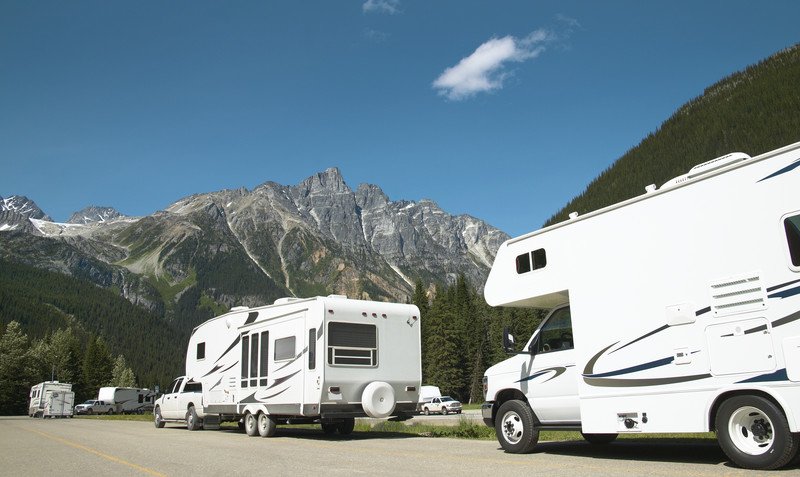
RV and Motorhome one road by mountains Southeast Financial

If you’ve started researching recreational vehicles, you’ve probably come across the debate of motorhome vs RV. While the phrase is commonly searched for online, it’s important to understand that motorhomes are a type of RV. In reality, most buyers are comparing a motorhome to a towable RV trailer, such as a travel trailer, a fifth-wheel trailer, or a toy hauler.

Choosing between a motorized RV and a towable RV is one of the biggest decisions you’ll make during the buying process. Both options offer unique advantages, and the best choice depends on your travel style, budget, camping goals, and long-term ownership plans.

Some RV owners prefer the convenience and drivability of a motorhome, while others enjoy the flexibility and affordability that RV trailers provide. Whether you’re planning weekend camping trips, cross-country adventures throughout North America, or even full-time mobile living, understanding the differences can help you make a more informed decision.

In this guide, we’ll compare motorhomes and RV trailers across several important categories, including costs, living space, maintenance, storage, drivability, and financing options.

The Difference Between Motorhomes and RV Trailers

Before comparing the pros and cons, it’s important to understand what separates these two RV categories.

What Is a Motorhome?

A motorhome is a self-propelled (has an engine and can be driven) recreational vehicle that combines transportation and living quarters into a single unit. Unlike a trailer, a motorhome does not require a separate tow vehicle.

These motorized RVs come in three primary categories of Class A, B, C motorhomes:

Class A Motorhomes

Class A motorhomes are the largest and most luxurious RVs available. They often include:

  • Spacious living areas
  • Full kitchens
  • Private bedrooms
  • Large bathrooms
  • Multiple slide-outs
  • Residential-style amenities
  • Extensive storage space

Class A RVs or motorhomes are particularly popular among retirees, full-time travelers, and RV owners who prioritize comfort.

Class B Motorhomes (Camper Vans)

Class B motorhomes, often called camper vans or campervans, are the smallest motorized RVs.

Many modern Class B RVs are built on platforms such as:

  • Mercedes-Benz Sprinters chassis
  • Ford Transit platform chassis

These compact vehicles are popular among van life enthusiasts, solo travelers, and couples who enjoy off-grid camping and exploring off-road locations normally inaccessible to the larger Class A RVs.

Although Class B RVs offer less living space than larger motorhomes, many models still include:

  • Kitchenettes
  • Bathroom facilities (frequently a combined toilet and shower)
  • Sleeping areas
  • Compact storage solutions

Class C Motorhomes

Class C motorhomes offer a balance between Class A luxury and Class B maneuverability.

These motorhomes typically feature:

  • Over-cab sleeping areas
  • Larger kitchens
  • Multiple sleeping spaces
  • Family-friendly floor plans
  • Additional storage

Many first-time RV buyers find Class C RVs to be an excellent middle-ground option, and can be found in a range of sizes from regular Class C RVs to Super C units.

What Is an RV Trailer?

RV trailers are towable recreational vehicles that must be pulled by a towing vehicle.

Unlike motorhomes, RV trailers separate your living space from your transportation.

Popular trailer types include:

Travel Trailers

Travel trailers are among the most popular RV options because they are available in a wide range of sizes, floor plans, and price points.

Fifth Wheels

Fifth wheels offer some of the largest interiors available in the RV industry and are popular among full-time RVers, rivaling the space and amenities offered by Class A RVs.

Toy Haulers

Toy haulers combine small living quarters with cargo space for transporting motorcycles, ATVs, golf carts, and other recreational equipment.

Off-Road Trailers

Designed for rugged adventures, off-road trailers are ideal for campers who frequently visit remote destinations and off-grid camping areas.

1. Purchase Price and Overall Costs

For many buyers, budget is the biggest factor when deciding between a motorhome and an RV trailer.

Motorhome Costs

Motorized recreational vehicles generally cost more than comparable towables because they combine both a vehicle and living quarters into a single purchase.

Factors that contribute to higher costs include:

  • Engine and drivetrain components
  • Chassis systems
  • Larger insurance requirements
  • Vehicle registration expenses
  • Mechanical maintenance

Class A RVs often represent the highest purchase prices in the RV market, while Class B and Class C units typically offer more affordable entry points.

RV Trailer Costs

RV trailers often provide more living space for the money than motorhomes.

Since towable RVs do not include an engine or drivetrain, buyers may benefit from:

  • Lower purchase prices
  • Reduced insurance costs
  • Lower registration fees
  • Simpler maintenance requirements

However, buyers should also consider whether they already own a suitable towing vehicle, because if not, purchasing a truck or SUV capable of towing what is essentially a small apartment may increase overall costs.

RV Financing Considerations

Both motorhomes and trailers can typically be financed through specialized RV lenders.

RV financing options may vary depending on:

  • Type
  • Purchase price
  • Loan amount
  • Credit profile
  • Vehicle age

Before shopping, it’s often beneficial to explore financing options and estimate monthly payments using an RV loan calculator.

2. Driving Versus Towing

One of the biggest lifestyle differences between motorhomes and RV trailers is how they travel.

Advantages of Motorhomes

Many buyers appreciate the convenience of driving a motorhome rather than towing a trailer.

Benefits include:

  • No hitching process
  • Easier setup for some travelers
  • Integrated driving experience
  • Convenient access to living quarters when parked

Class B camper vans, in particular, are often praised for their drivability and their ability to fit into more locations than larger RVs.

Advantages of RV Trailers

Towable RVs offer flexibility that many campers appreciate.

Once you arrive at your campsite, you can unhitch the RV and use your tow vehicle independently.

This makes it easier to:

  • Explore local attractions
  • Visit national parks
  • Run errands in the city
  • Navigate crowded destinations

For many RV owners, separating transportation from living quarters is a significant advantage.

Towing Capacity Considerations

However, before purchasing any towable RV, it’s essential to verify your vehicle’s towing capacity.

Important factors include:

  • Tow vehicle ratings
  • Trailer weight
  • Cargo weight
  • Passenger weight
  • Maximum combined length and weight requirements

State laws and towing regulations may also vary depending on where you travel.

3. Living Space and Interior Amenities

Comfort is often a deciding factor when comparing a motorhome to an RV trailer.

Motorhome Interior Features

Modern motorized RVs can offer many of the conveniences found in a traditional home.

Depending on the model, features may include:

  • Full kitchens
  • Residential-size refrigerators
  • Spacious bathrooms
  • Private sleeping areas
  • Entertainment centers
  • LCD TVs
  • Multiple slide-outs

Many Class A or Super C RVs are designed specifically for long-term travel and full-time living.

RV Trailer Interior Features

Towable RVs can also offer surprisingly large interiors, especially when compared to similarly priced motorhomes.

Many larger travel trailers and fifth wheels include:

  • Large kitchens
  • Multiple bathrooms
  • Bunk rooms
  • Dedicated living rooms
  • Residential furniture
  • Extensive storage space

In fact, because RV manufacturers don’t need to allocate space for an engine or driving compartment, more of the interior can be dedicated to living space.

Which Offers More Room?

In many cases, RV trailers provide more usable square footage per dollar spent.

However, motorhomes often excel in convenience and accessibility, particularly for travelers who spend significant time on the road.

Ultimately, the right choice depends on your family size, travel goals, and personal preferences, which we detail in the next section.

4. Camping Style and Travel Goals

Your ideal RV depends heavily on how and where you plan to travel.

Motorhomes for Long-Distance Travel

Motorhomes are often a strong fit for travelers who spend significant time on the road. If you’re planning extended trips across North America, frequent national park visits, or full-time mobile living, a recreational vehicle may provide the convenience and comfort you want.

Motorhomes can be especially appealing for full-time travelers because they combine transportation, storage, bathrooms, kitchens, and sleeping space in one vehicle.

RV Trailers for Flexible Camping

On the other hand, trailers are popular among families, weekend campers, and seasonal travelers who want to set up at a campground and use a separate vehicle for daily driving.

Once the towable RV is parked, your towing vehicle can be used for sightseeing, grocery runs, or exploring nearby attractions in a city without packing up your campsite.

Off-Grid Camping and Van Life

For buyers interested in off-grid camping, both categories have strong options.

Class B camper vans are popular in van life communities because of their compact size, drivability, and ability to reach more remote destinations. Off-road trailers can also be excellent for campers who want rugged capability while keeping their tow vehicle separate.

5. Maintenance and Long-Term Ownership

Maintenance is another important factor when comparing a motorhome vs RV trailer.

Motorhome Maintenance Requirements

Because motorized RVs are both a vehicle and a living space, they require maintenance for both systems.

Common maintenance needs include:

  • Engine service
  • Oil changes
  • Tire care
  • Brake inspections
  • Battery maintenance
  • Roof inspections
  • Appliance service
  • Plumbing and electrical checks

Motorhome maintenance can be more expensive because repairs may involve both automotive and RV service centers.

RV Trailer Maintenance Requirements

Towable RVs do not have engines, which can simplify maintenance.

However, they still require regular care, including:

  • Roof inspections
  • Tire replacement
  • Wheel bearing service
  • Brake checks
  • Slide-out maintenance
  • Plumbing maintenance
  • Sealant inspections

A good camper maintenance guide can help new owners understand seasonal and annual maintenance tasks for all types of RVs.

Seasonal Care

If you live in a colder climate, winter preparation is essential.

Before freezing temperatures arrive, RV owners may need to follow a camper winterization guide to protect water lines, tanks, and plumbing fixtures. When spring arrives, you will also need to dewinterize the RV before using it again.

6. Storage and Parking Considerations

Before purchasing any recreational vehicle, think carefully about where you will store it when it is not in use.

Motorhome Storage Challenges

Motorhomes can be difficult to store because of their size, height, and weight.

You may need to consider:

  • Covered storage
  • Outdoor RV storage lots
  • HOA restrictions
  • Driveway space
  • Local parking rules

Class A models often require more storage space than smaller Class B or Class C models.

RV Trailer Storage Advantages

Many RV trailers are easier to store than their larger motorized cousins, especially smaller travel trailers and pop-up campers.

However, larger fifth wheels and even some toy haulers may still require dedicated RV storage facilities, depending on their dimensions.

RV Parks and Long-Term Sites

Some RV owners choose to keep their RV at an RV park, mobile home park, or leased land community.

Depending on the location, amenities may include:

  • Laundry facilities
  • Pools
  • Tennis courts
  • Cable TV
  • Utilities
  • Electricity
  • Water hookups

Long-term RV parks can be convenient for seasonal travelers, but costs and rules vary by location.

Motorhome vs. RV Trailer Comparison Table

Feature Motorhome RV Trailer
Purchase Price Usually higher because it includes both the vehicle and the living quarters Often lower, but may require a capable tow vehicle
Financing May require larger RV loans based on unit type and value Also qualify for recreational loans from specialized lenders
Insurance Often more expensive due to vehicle components Often less expensive, though coverage varies
Fuel Efficiency Larger models may use more fuel Depends on weight and towing vehicle
Living Space Convenient all-in-one layout Often, more square footage per dollar
Storage Can require larger storage areas Smaller models may be easier to store
Maintenance Engine, chassis, and RV systems Trailer systems, tires, roof, brakes, and bearings
Setup Time Often quicker, especially with self-leveling jacks and integrated systems May require hitching, leveling, and stabilizing
Drivability Easier for some buyers, especially Class B models Requires comfort with towing and backing up
Off-Grid Travel Strong options with camper vans and some Class C models Strong options with off-road trailers
Full-Time Living Popular among frequent travelers and retirees Fifth wheels and larger trailers offer strong full-time layouts

Who Should Buy a Motorhome?

A motorhome may be the better choice if you want maximum convenience while traveling.

Ideal Motorhome Buyers

A motorized RV can often be a strong fit for:

  • Retirees
  • Full-time travelers
  • Frequent road trippers
  • Buyers who dislike towing
  • Travelers who want an all-in-one vehicle
  • People who prioritize convenience and amenities

They may also be appealing if you want an easier setup at campgrounds and more integrated access to your living space.

Who Should Buy an RV Trailer?

An RV trailer may be the better choice if you want affordability, flexibility, and more living space for the money.

Ideal Trailer Buyers

Towable RVs are often a good fit for:

  • First-time RV owners
  • Families
  • Weekend campers
  • Buyers who already own a tow vehicle
  • Campers who want to unhitch and explore
  • People looking for maximum interior space at a lower cost

Travel trailers, fifth wheels, pop-up campers, and toy haulers give buyers a wide range of choices depending on budget and lifestyle.

Motorhome vs. RV - Which Is the Best for Me?

Frequently Asked Questions About Motorhomes vs. RV Trailers

Is a motorhome better than an RV trailer?

Not always. A motorhome may be better for frequent travelers who value convenience and drivability — motorhomes offer ease of travel without the need for towing a separate vehicle, drive and reverse like a car, have a better turning radius than towable RVs, and allow passengers to access food and restrooms while driving. An RV trailer may be better for buyers who want lower overall purchase and maintenance costs, more floor plan options, and the ability to detach the trailer and use the tow vehicle locally when camped — giving full flexibility to explore without moving the entire setup.

What is the difference between a motorhome and a travel trailer?

A motorhome is a self-powered RV with its own engine — an RV includes both motorhomes and towable trailers, and the distinction comes down to whether the vehicle moves under its own power. A travel trailer is a towable RV that must be pulled by another vehicle. Motorhomes typically have a higher purchase price than travel trailers, while travel trailers generally offer lower overall purchase and maintenance costs and provide a separate everyday vehicle when camped. Towable RVs provide a flexible option for leaving the campsite to explore since you can detach the trailer and use the tow vehicle locally.

Which option is easier for beginners?

Many beginners choose travel trailers because they are often more affordable and require less upfront investment — though towing a trailer is more challenging than driving a motorhome, and backing up a trailer is more complicated than reversing a motorhome. Some buyers find Class B or Class C motorhomes easier because they do not require towing, can access tighter parking spaces than towable RVs, and are easier to set up at campsites compared to trailers. Class C RVs also offer a sleeping area over the cab that maximizes living space without adding overall length, making them a practical beginner option for families.

Are motorhomes more expensive to maintain?

Motorhomes can be more expensive to maintain because they include both vehicle systems and RV living systems — routine tire inspections are recommended for larger motorhomes, and engine-related upkeep adds a layer of cost that towable RVs do not carry. RV trailers do not have engines and require less mechanical upkeep than motorhomes, though they still require regular maintenance on brakes, tires, seals, and living systems. Travel trailers generally have lower overall maintenance costs over time, which is one reason many budget-conscious buyers and full-time travelers prefer towable RVs for long-term ownership.

Can I finance a motorhome or RV trailer?

Yes. Many buyers finance both motorhomes and RV trailers through recreational vehicle lenders. RV loan options may vary based on the RV type, age, value, and buyer’s credit profile — and because motorhomes typically have a higher purchase price than travel trailers, loan amounts and terms can differ significantly between the two categories.

Which RV type is best for full-time living?

Class A and Class C motorhomes, fifth wheels, and larger travel trailers are all popular among full-time travelers. Motorhomes offer more convenience for frequent road trips and long-distance travel since passengers can move freely inside while driving, while fifth wheels and larger travel trailers offer more floor plan options and lower overall costs with the added benefit of detaching and using the tow vehicle locally. The best option depends on budget, space needs, and travel style.

Is a Class B camper van considered a motorhome?

Yes. A Class B camper van is a type of motorhome because it is self-powered and includes both driving and living space. It drives and reverses like a car, can access tighter parking spaces than towable RVs or larger motorhome classes, and offers the convenience of a motorhome in a more compact and fuel-efficient package — making it a popular choice for solo travelers and couples who prioritize mobility and ease of travel over living space.

Ready to Finance Your Motorhome or RV Trailer?

Choosing between a motorhome and an RV trailer comes down to your lifestyle, travel goals, budget, and comfort level with driving or towing. There is no one-size-fits-all answer.

A motorhome may be best if you want an all-in-one vehicle with convenient access to living space and amenities. An RV trailer may be best if you want more affordability, flexible campsite use, and the ability to keep your tow vehicle separate.

Whether you’re shopping for a Class B, Class C, or Class A motorhome, or towables like a travel trailer, fifth wheel, or toy hauler, Southeast Financial can help you explore financing options that fit your needs.

Our team works with buyers looking for motorhome loans, camper loans, and general recreational vehicle financing for both new and used RVs.

Ready to compare your options? Contact Southeast Financial and:

  • Apply for RV Financing
  • Calculate Your Monthly Payment
  • Speak With an RV Financing Specialist

The right RV can make every trip more comfortable, memorable, and exciting. With the right financing in place, you can move one step closer to the road ahead.

President and Co-Founder, Southeast Financial

Wesley brings more than 26 years of expertise in financing recreational vehicles and marine purchases, assisting countless families in realizing their ownership dreams. His commitment to tailored service and extensive understanding of lending options establish him as a reliable advisor at Southeast Financial.