Buying a recreational vehicle is an exciting milestone. Whether you dream of weekend camping trips, cross-country adventures, or becoming one of the many full-time RVers exploring North America, choosing the right RV can open the door to years of unforgettable experiences.
However, purchasing an RV is much different than buying a car. You’ll need to evaluate RV classifications, floor plans, towing capacity, storage requirements, maintenance costs, financing options, and how you plan to use your RV for years to come. With so many choices available, from Class A motorhomes and campervans to travel trailers and fifth wheel trailers, it’s important to do your homework before visiting dealerships or attending RV Shows.
To help you make an informed decision, we at Southeast Financial have compiled 10 important things to consider before buying an RV.
- Table Of Contents
- 1. Determine How You Plan to Use Your RV
- 2. Choose the Right Type of RV
- 3. Understand Your Budget Beyond the Purchase Price
- 4. Consider RV Financing Before You Start Shopping
- 5. Decide Whether a New or Used RV Makes More Sense
- 6. Inspect Any RV Thoroughly Before Buying
- 7. Make Sure Your Tow Vehicle Can Handle the RV
- 8. Research Where and How You'll Buy
- 9. Understand RV Documentation, Valuation, and Ownership Requirements
- 10. Plan for Long-Term Ownership and Storage
- Frequently Asked Questions About Buying an RV
- Ready to Finance Your RV with Southeast Financial?
1. Determine How You Plan to Use Your RV
Before comparing manufacturers, floor plans, or financing options, think carefully about how you plan to use your RV.
The ideal RV for a retired couple traveling full-time will look very different from the best RV for a family taking occasional weekend trips. Understanding your travel style will help narrow your options and prevent costly mistakes.
Ask yourself:
- How often will you travel?
- How many people will typically travel with you?
- Will you primarily stay at campgrounds or travel off-grid?
- Do you plan to travel seasonally or year-round?
- Are you considering full-time RV living?
Weekend Camping vs. Full-Time RVing
Many first-time buyers purchase more RV than they actually need. If you’re only planning a few trips per year, a smaller travel trailer, campervan, or medium Class C motorhome may be more practical than a large Class A coach.
On the other hand, full-time RVers often prioritize larger living areas, expanded storage, residential appliances, and more comfortable floor plans designed for long-term living.
*Please note that specialized recreational lenders, including Southeast Financial, typically do not finance RVs intended as the owner’s only legal residence.
Will You Need Off-Grid Capabilities?
If you enjoy boondocking or camping in remote locations without hookups, you’ll want an RV equipped for off-grid travel.
Features to consider include:
- Solar power systems
- Larger water tank size for both drinking and sanitation
- Increased black and gray tank capacity
- Generator access
- Enhanced battery systems
- Additional storage for supplies
Understanding your RVing goals early will make every other buying decision easier.
2. Choose the Right Type of RV
One of the biggest decisions you’ll make is selecting the right type of RV. Each category offers unique advantages depending on your travel style, budget, and comfort preferences.
Motorized RVs
Motorized RVs, known as motorhomes, combine transportation and living quarters into a single vehicle.
Class A Motorhomes
Class A motorhomes are the largest and most luxurious RVs on the market. Many feature residential-style kitchens, multiple slide-outs, large entertainment areas, and extensive storage.
Class A RVs are often ideal for:
- Full-time RVers
- Extended road trips
- Large families
- Luxury travelers
Class B Motorhomes
Also known as camper vans, Class B RVs are compact, easy to drive, and capable of fitting into many standard parking spaces.
Benefits include:
- Better fuel economy
- Easier maneuverability
- Simplified storage
- Ideal for couples and solo travelers
Class C Motorhomes
Class C RVs offer a balance between the spaciousness of a Class A and the convenience of a Class B.
Common features include:
- Sleeping areas over the cab
- Separate bathrooms
- Additional sleeping capacity
- Moderate towing capability
Towable RVs
Towable recreational vehicles are the most versatile among the RV styles in terms of size, usage, amenities, and price ranges. They also provide flexibility because you can unhitch your RV once you reach your destination.
- Travel Trailers: Travel trailers remain one of the most popular RV types for first-time buyers. Available in a wide range of sizes and floor plans, travel trailers can accommodate nearly every budget and camping style.
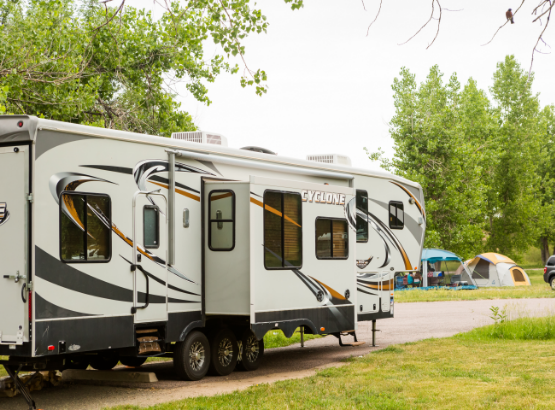
- Fifth Wheels: Fifth wheels are among the most spacious towable RVs available. They attach directly to a specialized hitch installed in a pickup truck bed, providing greater stability and living space.
- Truck Campers: Truck campers mount directly into a pickup truck bed, making them a versatile option for travelers who value mobility and off-road access.
Compare Floor Plans Carefully
Regardless of RV type, floor plans should play a major role in your decision.
Consider:
- Sleeping arrangements
- Kitchen layout
- Bathroom size
- Storage space
- Slide-out configurations
- Workspace requirements
- Pet accommodations
A floor plan that looks impressive online may not function well for your daily lifestyle, so spend time walking through several models before making a decision.
3. Understand Your Budget Beyond the Purchase Price
Many first-time buyers focus exclusively on the purchase price and overlook the long-term costs of RV ownership, which can be among the top mistakes RV buyers make.
Your monthly budget should account for much more than the RV itself.
Common RV Ownership Costs
Depending on the type of RV you purchase, ongoing expenses may include:
- RV insurance
- Extended warranties
- RV GAP insurance
- Registration fees
- Fuel costs
- Routine engine and maintenance tuning
- Tire replacement
- Roof inspections
- Storage fees
- Campground facilities fees
Additional Lifestyle Expenses
Many new RV owners are surprised by the smaller expenses that add up over time.
Examples include:
- Propane refills
- Internet access
- Kitchen accessories
- Water hoses and filtration systems
- Sewer equipment
- Trip planning software
- Campground and membership programs fees
Creating a realistic ownership budget before shopping can help you avoid financial stress later.

4. Consider RV Financing Before You Start Shopping
One of the smartest things you can do before visiting a dealership is to explore your RV financing options.
Financing can help make RV ownership more accessible while allowing you to choose an RV that better fits your travel goals and lifestyle.
H3: Why Pre-Approval Matters
Many buyers begin shopping before understanding what they can comfortably afford.
Getting pre-approved can help you:
- Establish a realistic budget
- Narrow your RV search
- Strengthen your negotiating position
- Simplify the buying process
Knowing your financing options beforehand allows you to focus on finding the right RV rather than worrying about funding at the last minute.
Work With Recreational Financing Specialists
Unlike traditional vehicle loans, RV financing often involves unique factors such as longer loan terms, higher loan amounts, and specialized collateral requirements.
Working with recreational lenders that understand motorhomes, travel trailers, fifth wheels, and truck campers can often provide access to financing solutions tailored specifically to RV buyers.
Look Beyond the Monthly Payment
A low monthly payment can be appealing, but it’s important to understand the complete financial picture.
Consider:
- Loan term length
- Interest rates
- Down payment requirements
- Total repayment cost
- Insurance expenses
Evaluating the full cost of ownership can help ensure your RV purchase remains affordable for years to come.
5. Decide Whether a New or Used RV Makes More Sense
Both new and used RVs offer advantages. The right choice depends on your budget, experience level, and willingness to handle maintenance or repairs.
Benefits of Buying a New RV
A new RV typically includes:
- Manufacturer warranty coverage
- Modern appliances
- Updated technology
- New floor plans
- Minimal wear and tear
- Better resale value
For buyers who want peace of mind and the latest features, purchasing new may be worth the higher price.
Benefits of Buying a Used RV
Used RVs often provide significant value.
Advantages may include:
- Lower purchase price
- Reduced depreciation
- More negotiating flexibility
- Access to discontinued floor plans
Many experienced RV owners recommend considering well-maintained used units as a way to maximize value.
Consider Today’s Inventory and Supply Conditions
Supply chain disruptions over the past several years have affected RV availability, pricing, and manufacturer production schedules.
Depending on market conditions, buyers may find:
- Limited dealer inventory
- Extended factory order times
- Increased pricing on popular models
- Better opportunities in the used market
Taking time to compare both new and used options can help you find the best RV for your budget and travel goals.
Nationwide Recreational Vehicle Financing
6. Inspect Any RV Thoroughly Before Buying
Whether you’re purchasing a brand-new motorhome from a dealer or a used travel trailer from Craigslist, conducting a thorough inspection is one of the most important steps in the RV purchase process.
Many RV systems are hidden behind walls, under flooring, or within compartments. Small issues can quickly become expensive repairs if they go unnoticed before purchase.
Review Maintenance Records
If you’re considering a used RV, ask the seller for maintenance and service records or documentation.
Look for evidence of:
- Regular roof inspections
- Tire replacements
- Appliance servicing
- Brake maintenance
- Water and plumbing system repairs
- Slide-out maintenance
A well-documented service history often indicates responsible ownership.
Check the Roof and Exterior
Roof damage is one of the most common and costly RV issues.
Carefully inspect:
- Roof sealants
- Vents and skylights
- Air conditioning units
- Exterior seams
- Sidewalls
Water intrusion can cause extensive structural damage that may not be immediately visible.
Examine Tires Carefully
Tires are often overlooked by first-time buyers.
Even if the tread appears healthy, older tires may develop dry rot or internal deterioration. Tire damage can lead to dangerous blowouts and costly roadside repairs.
Inspect for:
- Cracking
- Uneven wear
- Sidewall damage
Test All Systems and Appliances
Take time to test every major component before finalizing the purchase.
This includes:
- Air conditioning
- Furnace
- Refrigerator
- Water heater
- Plumbing systems
- Electrical systems
- Slide-outs
- Generator (if equipped)
Consider a Professional RV Inspection
A professional RV inspection can identify hidden issues that the average buyer may miss.
For larger purchases, especially Class A motorhomes, fifth wheels, and premium travel trailers, a professional inspection can provide valuable peace of mind and potentially save thousands of dollars in future repairs.
7. Make Sure Your Tow Vehicle Can Handle the RV
One of the most common mistakes first-time RV buyers make is purchasing a trailer that exceeds their vehicle’s towing capacity.
Before choosing a towable RV, verify that your truck or SUV can safely handle the weight.
Understand Towing Capacity
Every vehicle has a manufacturer-specified towing capacity, which is the weight it can tow (not including the weight of the towing vehicle itself).
Exceeding that limit can impact:
- Braking performance
- Vehicle handling
- Transmission life
- Fuel economy
- Overall safety
Never rely solely on salesperson estimates when evaluating towing power.
And Know the Difference Between GVWR and GCWR
- Gross Vehicle Weight Rating (GVWR): The GVWR is the maximum permissible weight of your towing vehicle (truck) fully loaded, which includes the weight of the vehicle itself plus any additional cargo, fluids, passengers, and optional equipment. The same goes for the trailers, but their ratings are referred to as GTW or GTWR, or gross trailer weight.
- Gross Combined Weight Rating (GCWR): The GCWR is the total allowable weight of your entire towing setup. This figure encompasses the GVWR of both the towing vehicle and the RV (GTW), as well as any cargo and passengers in both vehicles. The GCWR ensures that the towing vehicle is capable of safely managing the combined weight without compromising safety or mechanical integrity.
Understanding the differences between these ratings and adhering to them is vital for safe and efficient towing.
Check Payload Ratings
Payload capacity refers to how much weight your vehicle can carry minus the GVWR, and should include:
- Passengers in the towing vehicle
- Cargo in towable
- Hitch weight
- Additional equipment
Payload limitations often become a bigger concern than towing capacity itself.
Consider Your RV Type
Different RV types have different towing requirements.
For example:
- Many SUVs can tow small travel trailers.
- Larger travel trailers often require half-ton or three-quarter-ton trucks.
- Fifth wheels typically require heavy-duty pickups with specialized hitches.
- Truck campers require adequate truck payload capacity.
Plan for Future Needs
If you expect to upgrade to a larger RV later, consider whether your current tow vehicle will still meet your needs.
Purchasing both a new RV and a new truck can dramatically increase your total ownership costs.
8. Research Where and How You'll Buy
Where you buy your RV can have a significant impact on pricing, selection, warranties, and support after the sale.
RV Dealerships
Many buyers prefer purchasing through dealerships because they offer:
- Financing assistance
- Trade-in options
- Warranty programs
- Service departments
- Inventory selection
Dealerships may also provide orientation sessions that help first-time owners learn how their RV systems operate.
RV Shows
RV Shows can be a good opportunity to compare multiple manufacturers and floor plans in one location.
Benefits include:
- Competitive pricing
- Manufacturer incentives
- Large inventory selection
- Side-by-side comparisons
Online Listings and Craigslist
Online marketplaces can offer access to private-party deals and unique inventory.
However, buyers should exercise caution and thoroughly inspect any RV before purchasing.
Auctions
RV auctions occasionally provide opportunities to purchase below market value.
However, many auction purchases are sold as-is and may come with limited information regarding maintenance history.
Always Take a Test Drive
If you’re purchasing a motorized RV, never skip the test drive.
Pay attention to:
- Steering response
- Braking performance
- Visibility
- Noise levels
- Driver comfort
Even if the RV looks perfect on paper, it still needs to feel comfortable behind the wheel.
9. Understand RV Documentation, Valuation, and Ownership Requirements
Before signing paperwork, make sure you understand the documentation and valuation tools involved in the transaction.
Review the Bill of Sale Carefully
A Bill of Sale should clearly document:
- Purchase price
- Vehicle identification number (VIN)
- Seller information
- Included accessories
- Existing disclosures
Review all documents carefully before completing the transaction.
Research Market Value
Determining fair market value can help you negotiate with confidence.
Useful resources include:
- JD Power RV values
- Manufacturer pricing information
- Comparable dealer listings
- Online RV marketplaces
Understand MSRP
MSRP (Manufacturer’s Suggested Retail Price) provides a starting point for negotiations but is rarely the final selling price.
Just like cars, many RVs sell below MSRP depending on inventory levels, demand, and dealer incentives.
Imported RV Considerations
If you’re purchasing or importing an RV across international borders, additional requirements may apply.
Depending on your situation, you may need to work with:
- US Customs
- The Registrar of Imported Vehicles (RIV)
- State or provincial registration agencies
Research all applicable regulations before completing an international purchase.
10. Plan for Long-Term Ownership and Storage
Buying an RV is only the beginning of the RVing life. Long-term ownership requires planning for maintenance, storage, and future travel needs.
Where Will You Store Your RV?
Before purchasing, determine where the RV will be stored.
Options include:
- Home storage
- Covered storage units
- Outdoor storage lots
- Dedicated RV storage areas
Storage availability and costs vary significantly by location and season.
Consider Seasonal Use
Think about how changing seasons may affect your RV usage.
Winterization, weather protection, and climate-controlled storage may be necessary in some regions.
Budget for Routine Maintenance
Routine maintenance helps protect your investment and avoid major repairs.
Important maintenance items include:
- Roof inspections
- Tire replacement
- Sealant maintenance
- Battery care
- Water system maintenance
Locate a Service Center
Before buying, identify qualified service centers near your home and along your common travel routes.
Reliable service access can make ownership much easier when maintenance or repairs are needed.
Frequently Asked Questions About Buying an RV
What should I know before buying an RV?
Before buying an RV, consider how you’ll use it, what type of RV best fits your lifestyle, your budget, financing options, storage requirements, maintenance responsibilities, and whether your vehicle can safely tow the RV if needed.
Is it better to buy a new or used RV?
Both options have advantages. New RVs offer warranty coverage and modern features, while used RVs often provide better value and lower depreciation. The right choice depends on your budget and comfort level with potential maintenance needs.
What is the best RV for first-time buyers?
Medium-size travel trailers, campervans, and Class C motorhomes are often popular choices for first-time buyers because they balance affordability, comfort, and ease of use.
How much should I budget for RV ownership?
In addition to the purchase price, owners should budget for RV insurance, maintenance, fuel, storage, campground fees, and routine repairs.
Can I finance a used RV?
Yes. Many lenders offer financing options for both new and used recreational vehicles.
How often should an RV roof be inspected?
Most experts recommend inspecting your RV roof at least twice per year and after severe weather events to identify potential leaks or sealant issues.
Ready to Finance Your RV with Southeast Financial?
Whether you are shopping for a Class A motorhome that can cost upwards of $300,000, a travel trailer, a fifth wheel, pop up campers, or small rvs for short trips, securing financing before you buy makes the rv buying journey easier and helps you shop with confidence. Purchasing an RV requires careful planning to avoid buyer’s remorse — and understanding your financing options before committing to a specific rv choice is one of the most important key considerations for new buyers entering the rv community.
Apply at Southeast Financial, a team that specializes in recreational vehicle financing and works with a nationwide network of lenders to help buyers finance both new and used RVs across every category of rv options. Used RVs often provide better value by avoiding initial depreciation — and many new buyers find that a used rig purchased through private sellers or a reputable dealer represents the best deal when the full cost of ownership is considered. Interest rates for RV financing are often higher than for cars,
Our team understands the unique financing needs of rv owners across the rv community — from new buyers purchasing their first rv to experienced full timers upgrading to a larger unit built for rv full time living. Whether your rv adventures involve weekend trips to rv parks and national parks with golf carts and dirt bikes in tow, or you are planning rv full time living with holding tanks sized for extended stays and rv covers protecting the rig during storage, our team can help you explore loan options that fit your budget and long-term rv lifestyle goals. Budget for recurring expenses like regular maintenance, fuel, registration, and insurance — and double check that your financing leaves enough room for those ongoing costs.
Before finalizing your rv choice, here are 10 things before buying an rv that every new buyer should address to avoid extra fees, red flags, and costly surprises:
Have the rv inspected before committing — check for water damage by looking for soft spots or delamination in the flooring, inspect the roof for cracks, and inspect seals, caulking, and seams for gaps that can cause leaks. Verify normal functioning of the electrical and plumbing systems, test the wet bath if the unit has one, and inspect tires for tread depth, sidewall cracks, and DOT date codes — tires and batteries typically last about five years. Review maintenance records to confirm regular service history and treat the absence of documentation as a red flag. Research brand reputation and common problems before purchasing — new RV warranty repairs can take months to complete at most dealerships, a key consideration for full timers who plan to begin rv life immediately. Inspect for hidden costs such as essential accessories not included with the RV — rv covers, holding tank treatments, and hitch equipment for dirt bikes or golf carts.
Ready to get started on your rv buying journey?
Apply for RV Financing
Calculate Your Monthly Payment
Speak With an RV Financing Specialist Today
With the right rv choice and the right financing solution, you will be one step closer to your next adventure across the rv community.