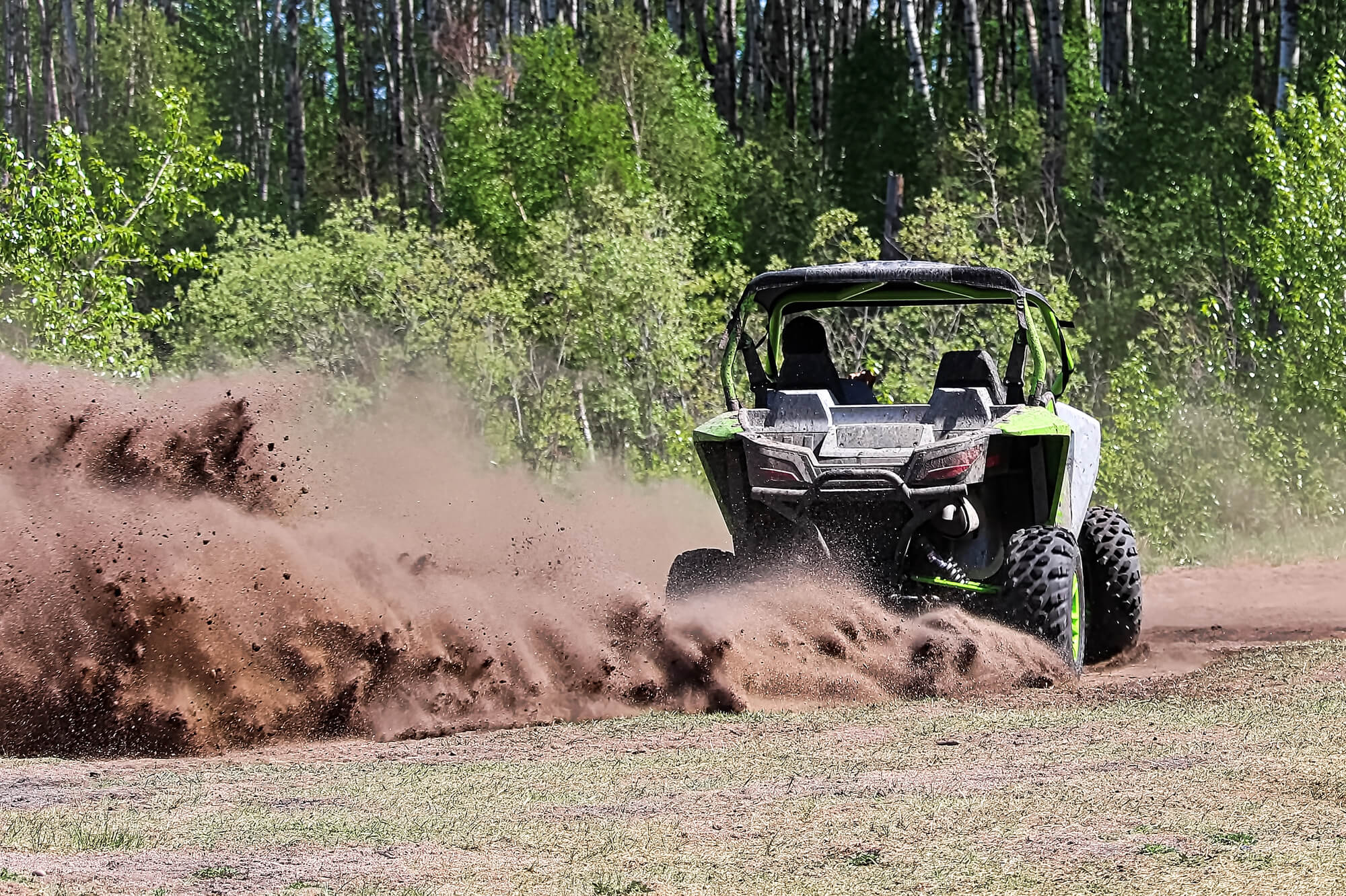
 When it comes to exploring the backcountry, scaling rocky ridgelines, or cruising sandy dunes, few off-road vehicles deliver the thrill and versatility of a Side-by-Side (SxS). From the rugged trails of Moab and Pritchett Canyon to the forested rides of Windrock or Brimstone, riders across the U.S.—from Idaho to Hawaii—are debating a key question:
Should you go with a 2-seater or a 4-seater Side-by-Side?
Both setups offer unique advantages depending on your riding experience, purpose, and environment. The two-seat configuration, seen in performance machines like the Polaris RZR Pro R or the Can-Am Maverick, is known for agility, speed, and maneuverability. In contrast, four-seat Side-by-Sides like the Polaris XP Turbo 4, Kawasaki Teryx4, or Wildcat 4 cater to group adventures, cargo hauling, and off-road capabilities that rival small trucks.
Whether you’re tackling the mountain trails of Pocatello, towing gear for property maintenance, or outfitting for recreational activities, your decision affects more than just seating capacity: it impacts everything from suspension travel and handling to trailering, price, and long-term performance.
In this guide, we’ll break down the differences between two-seat vs four-seat Side-by-Sides, exploring terrain-specific benefits, performance specs, and real-world use cases to help you choose the machine that aligns with your off-road adventures.
What’s the Real Difference Between Two-Seat and Four-Seat UTVs?
Despite being part of the same All-Terrain Vehicles (ATV) or Utility Task Vehicle (UTV) family, 2-seater and 4-seater Side-by-Sides can differ dramatically in design, purpose, and how they feel on the trail. Understanding how the body size, wheelbase, and overall layout affect performance and control is key before you buy.
Size, Frame, and Wheelbase
Let’s start with the clear differences in terms of size, frame, and wheel base.
- Two-seat models are compact by design, being narrower, shorter, and built with a tighter turning radius for enhanced maneuverability. They’re the go-to for riders who prefer high-speed trail riding, precise cornering, or navigating technical terrain like rock crawling in Idaho’s lava plains. Machines like the Polaris XP 1000 or the Honda Pioneer 1000 2-Seat Deluxe offer streamlined control with a long-travel suspension that absorbs sharp impacts while remaining agile.
- The 4-seaters, in contrast, extend the wheelbase and add a longer frame, which improves stability but can limit tight cornering and bump response. A Polaris General 4, Can-Am Maverick MAX, or RZR Pro R 4 might not thread through narrow trees as easily. Still, they offer unbeatable confidence when descending mountain paths or carving wide-open dunes. Longer roll cages, wider body panels, and beefier suspension systems define the larger 4-seater UTVs. And with a digital interface, bucket seats, and added safety handles, passenger comfort doesn’t come at the expense of rugged design.
Passenger Capacity and Layout
At the core, the difference is obvious—two seats or four—but the implications are deeper.
- A 2-seater Side-by-Side emphasizes personal space and performance. You and a passenger sit snugly, often with more forward visibility, tighter cab ergonomics, and a central control layout built for aggressive driving. These are popular among sports riders, couples, and utility-focused users who need space for tools rather than people.
- A 4-door Side-by-Side, however, offers unmatched versatility. From carrying riders to transporting helmets, goggles, and gear, models like the Polaris Turbo 4, Can-Am Commander MAX, or Kawasaki Teryx4 are designed for those who don’t ride solo. The extended cab layout ensures everyone has ample legroom. At the same time, rear seats are often foldable to expand the cargo area, perfect for throwing in a cooler, extra hitch baskets, or even towing with a rear-mounted winch.
The 4-seater configurations are ideal for families, hunting crews, or anyone taking on tasks meant for all-purpose vehicles. And don’t overlook features like bed floor design, which can maximize payload capacity without sacrificing comfort.
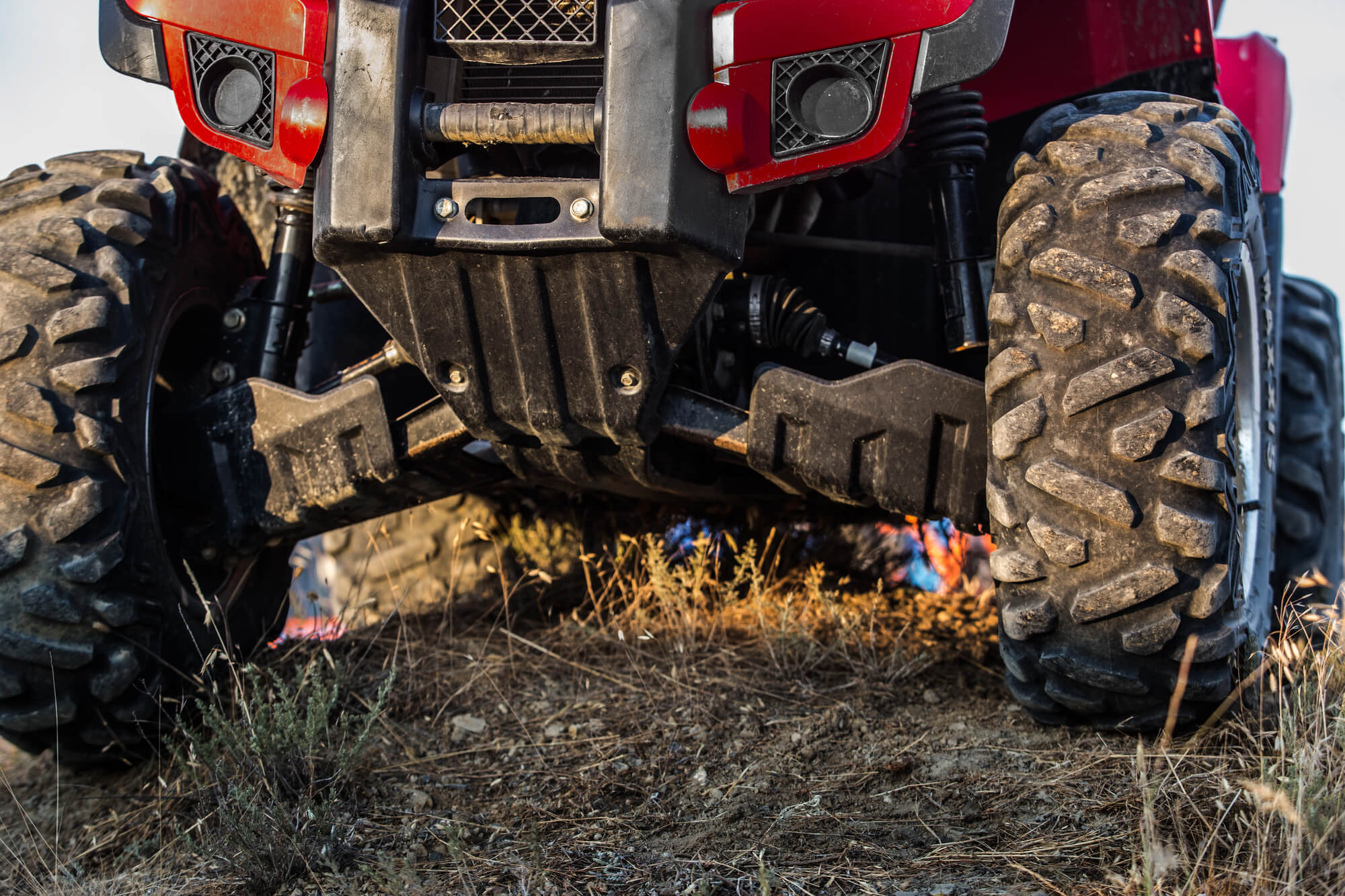
Performance Breakdown: Which Handles Better and Goes Faster?
When it comes to real-world riding, the way a Side-by-Side performs under stress, through sand, over rocks, up steep grades, matters more than any spec sheet. This is where the physical design of 2-seaters and 4-seaters begins to shape the riding experience in meaningful ways.
Suspension and Ride Comfort
- Two-seat UTVs typically offer a more agile, sport-focused suspension setup. The shorter wheel base and lighter body size of 2-seaters allow for quicker weight transfer, better bump handling, and sharper maneuverability. Models like the Can-Am X3 Max (in its 2-seat configuration) are optimized for aggressive driving, where hitting berms and carving switchbacks is the goal. It’s the reason they’re off-road vehicles referred to as “rock crawlers” or “dune machines” by enthusiasts.
Suspension travel in 2-seater machines often ranges from 16 to 22 inches, depending on trim and shocks, and because they carry less weight, they rebound more responsively when tackling rough terrain. They shine on tight trails, hill climbing, dunes, or hard-packed dirt where nimble movement is key.
- Four-seaters, however, trade some of that agility for ride smoothness. The longer wheelbase absorbs larger whoops and trail chatter more gracefully, making them ideal for long-distance or family-style riding. Vehicles like the Polaris Turbo 4 and Honda Pioneer 1000-5 may not feel as twitchy, but they glide over terrain with confidence and comfort—especially when fully loaded with passengers and gear.
Power, Speed, and Acceleration
There’s a myth that 4-seaters are slower. In reality, modern engines, especially in machines like the RZR Pro R 4 and most Can-AM UTVs, can deliver jaw-dropping horsepower (225+ hp) that rivals or exceeds 2-seater counterparts. What changes is the power-to-weight ratio and how fast that power is delivered.
- Two-seat models like the Polaris RZR XP Turbo or Wildcat XX offer explosive acceleration due to their lighter frames and fewer components. The immediate throttle response creates a thrilling, visceral ride ideal for competitive drivers or solo adventurers chasing adrenaline.
- Four-seaters, while heavier, now benefit from upgraded drivetrains and high-performance ECU tuning. For instance, the Can-Am X3 Max can still top out around 80 mph in open stretches, making it a beast in sand dunes or desert racing environments. You may feel a bit more lag in initial acceleration compared to a 2-seater, but the top-end speed is very much present, especially with Turbo models.
Tire Options and Terrain Flexibility
Tire configurations and their role in terrain adaptability can’t be overlooked.
- Two-seaters often come with more aggressive, sport-tuned tire packages, which are ideal for trail racing, technical climbs, or flat-out speed on open dirt roads. A shorter wheelbase equals a better turning radius, allowing you to weave through obstacles with surgical precision.
- Four-seaters, by contrast, are often delivered with more utility-minded tires and greater tread depth for varied terrain, including mud, snow, and rocky trails. Combined with increased ground clearance and weight distribution, this makes them better for multi-purpose use, from towing snowmobiles to navigating muddy forest roads.
If you’re planning to outfit your rig with aftermarket tires, be it sand paddles, crawler radials, or all-terrain quads, the platform size affects not just cost but performance. Larger 4-seaters may require additional suspension upgrades to accommodate wider tire profiles without compromising clearance or articulation.
Practical Considerations for Choosing Your UTV
Once you get past the thrill factor, the decision between a two-seat or four-seat Side-by-Side often comes down to everyday logistics. From what you’re hauling to how much space you have at home, here’s what to consider when matching your off-road vehicle to your lifestyle.
Cargo Space and Utility
- Two-seat UTVs are often designed with performance in mind, which means cargo space can be limited. However, brands like Polaris and Honda still offer rear bed options that are useful for smaller loads, perfect for weekend trail riders, hunters, or anyone doing light property maintenance.
- Four-seat Side-by-Sides, of course, usually boast significantly larger cargo areas than 2-seaters, wider beds, and higher payload capacities. The Pioneer 1000-5, for example, features Honda’s bed floor, which is smartly designed to fold down when rear seats aren’t in use, maximizing available space for tools, coolers, or even hauling fencing supplies. Add-ons like hitch baskets, rear-mounted winches, and overhead racks are more easily supported on these larger frames.
Whether you’re hauling firewood, setting up camp, or towing a lightweight trailer, a 4-seater gives you the space and structure to do more without crowding your passengers.
Customization, Mods, and Aftermarket Upgrades
When it comes to personalization, both 2-seat and 4-seat UTVs offer a deep bench of aftermarket options. But your base platform will determine how far you can go without compromising performance or safety.
- 2-seaters are often the canvas of choice for sport riders and DIYers who want to mod for agility. You’ll frequently see these machines outfitted with high-clearance A-arms, long-travel kits, custom LED light bars, or revalved shocks. The lighter build makes it easier to feel the impact of performance mods; everything from a clutch kit to suspension tweaks can transform the ride.
- 4-seaters, meanwhile, open the door to family-oriented and utility upgrades: Ranch Armor bumpers, heated seats, full cab enclosures, upgraded digital interfaces, roof-mounted sound systems, and expanded cargo solutions. More space means more room for integrated accessories, which is why touring and overlanding communities tend to favor 4-door models.
Price Differences and Total Ownership Cost
Price is often the deciding factor, and here’s the simple truth: two-seaters cost less upfront.
A 2-seater Polaris RZR XP 1000 might start around $20,000, while the same model in a 4-seat trim could push past $25,000. Add optional upgrades like GPS, upgraded suspension, or performance packages, and that gap can widen fast.
But cost isn’t just about MSRP. Consider:
- Insurance premiums (higher for 4-seaters due to passenger liability)
- Tire replacements (larger and more expensive for 4-door platforms)
- Trailering needs (4-seaters often require longer trailers and more powerful tow vehicles)
- Fuel and maintenance (more weight = more wear on drivetrain, brakes, and shocks)
That said, if you’re using your UTV for work, family outings, or frequent group rides, the added capability and comfort of a 4-seater may justify the investment, especially if you’re financing through a lender like Southeast Financial that offers terms for both recreational and utility models.
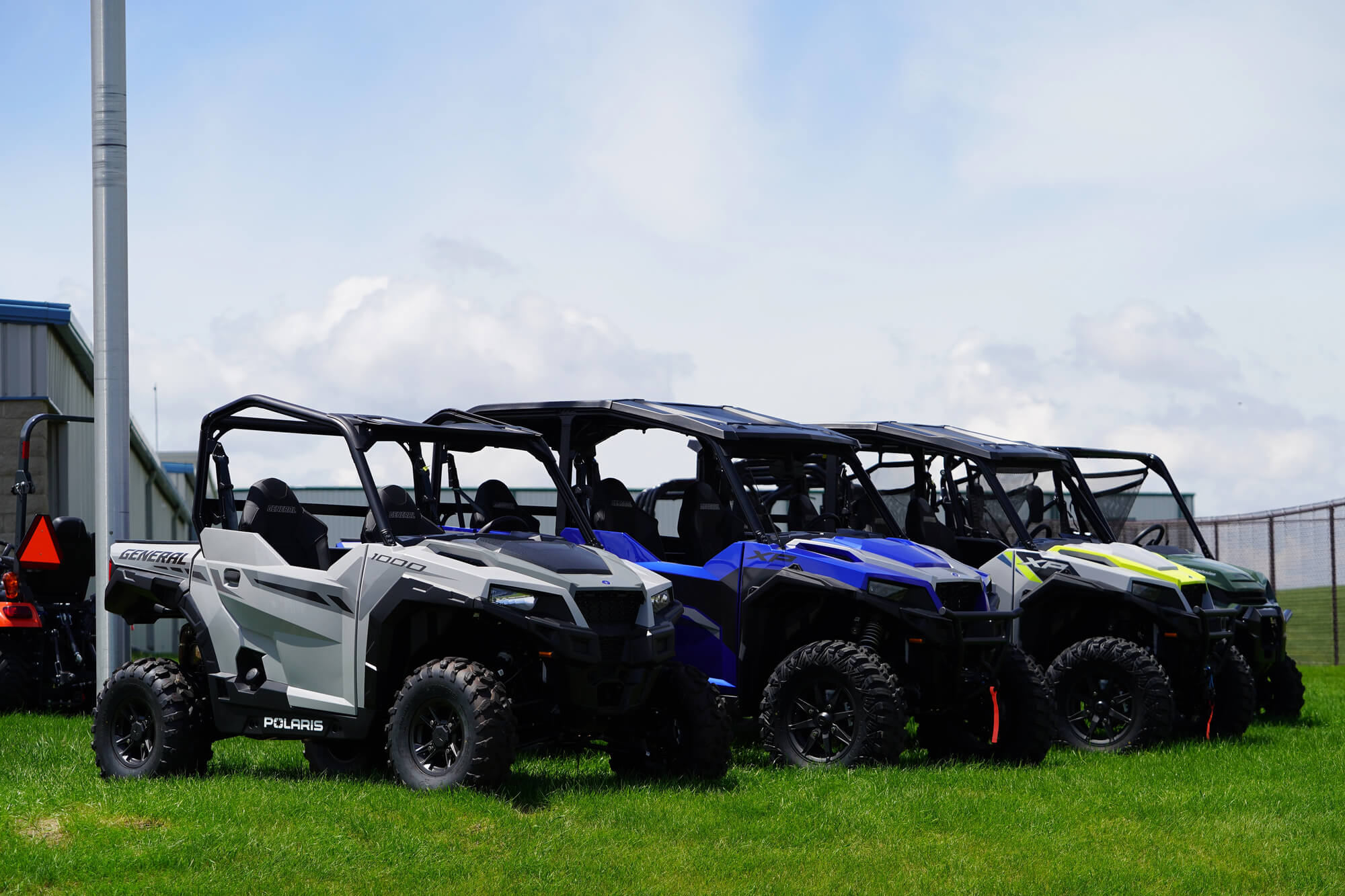
Use Cases: Who Should Buy Which?
Every rider has a different reason for getting behind the wheel of a Side-by-Side. Whether you’re chasing peak horsepower, family time, or utility on the ranch, your intended use can quickly steer you toward the right platform.
Weekend Warriors & Solo Explorers
If your off-road lifestyle leans toward adrenaline, agility, and tight singletrack trails, the two-seat UTV is where you’ll find your sweet spot.
Machines like the Polaris XP 1000 or Can-Am Maverick are designed for riders who crave instant acceleration, sharp handling, and a visceral trail experience. The shorter wheelbase and narrower body size make them ideal for weaving through tight woods, tackling rock gardens, or scaling steep inclines on mountain trails.
This setup is also more forgiving for trailering and garage storage. Lighter curb weights mean you can tow them with smaller trucks, maneuver them into tighter spaces, and hit the trail faster with less prep.
Verdict: For solo riders or couples who ride light and ride hard, nothing beats the raw responsiveness of a well-tuned 2-seater.
Families, Groups, and Utility Users
Four-seat Side-by-Sides excel when your off-road adventures include passengers, cargo, or utility tasks. Whether you’re loading up for a fun weekend at the Imperial Sand Dunes or hauling tools for fencing repair on your property, models like the Honda Pioneer 1000-5 or Polaris General 4 are built to carry the load.
The extended frame not only accommodates more riders, but also gives you more flexibility. Bring the kids, throw in a couple of helmets, lash down a cooler or hitch basket, and you’re still well within the design specs of these robust machines.
This class also suits those who want more than just thrills, think recreational activities, property maintenance, snow plowing, or even outfitting for winter riding with heated accessories.
Verdict: If your Side-by-Side is going to serve as both a toy and a tool, a 4-seater gives you the platform to do it all.
Southeast Financial Can Help You Finance the Right Side-by-Side
Choosing the right Side-by-Side is only part of the equation: getting the right financing is what brings it home.
Whether you’re shopping for a Can-Am X3 Max, a Polaris Turbo 4, or a workhorse Honda Pioneer, Southeast Financial specializes in affordable UTV loans for all credit types.
Flexible Financing for All Credit Levels
Our loan programs are designed to support both first-time buyers and experienced off-roaders. With approvals starting at credit scores as low as 575, we provide access to lenders who understand the value and purpose of Side-by-Sides and ATVs. And with no early payoff penalties, you can upgrade or refinance on your own terms.
Extended Warranties and Protection Plans
Riding rough means parts wear out, especially suspension components, winch systems, and drivetrains. That’s why we offer extended warranty plans for UTVs that protect your investment beyond the dealership floor. Whether you’re buying new or used, coverage options are available for most Side-by-Side models, including performance trims like the RZR Pro R or General XP 1000.
Nationwide Reach with Local Service Touch
We finance Side-by-Sides nationwide. Whether you’re in Pocatello or the Hawaiian highlands, you can complete your application online in minutes. We also work with private-party sales, so you’re not limited to dealership inventory.
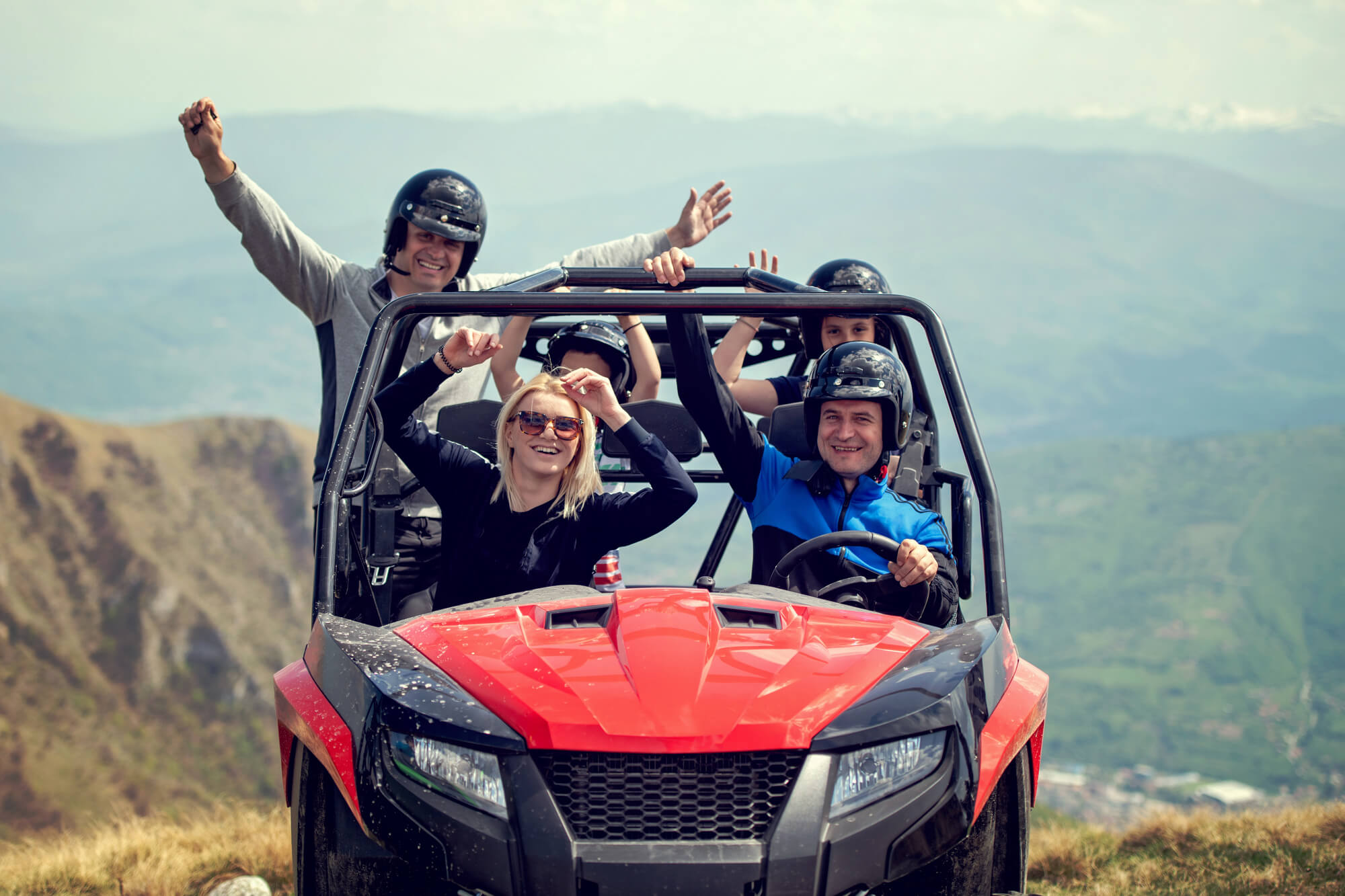
Final Verdict – Two-Seat vs Four-Seat Side-by-Sides: Which is Best?
When choosing between a two-seat and four-seat Side-by-Side, there’s no universal winner; you only have to choose what fits your terrain, purpose, and lifestyle best.
Go with a 2-seater if you:
- Ride solo or with one passenger
- Prioritize agility, speed, and tighter handling
- Navigate narrow mountain trails or wooded paths
- Want easier storage and lighter trailering
- Plan on modifying for performance
Go with a 4-seater if you:
- Ride with friends, kids, or co-workers
- Need more cargo space and seating capacity
- Do property maintenance or multipurpose tasks
- Want a smoother ride over long distances
- Frequently haul gear, coolers, or tow trailers
From high-speed trail runs to mountain excursions, each model serves a different kind of rider. The important thing is that your UTV supports your adventure, not limits it.
Whichever route you choose, Southeast Financial can help finance the ride and protect your investment with extended warranties and trusted lending partners. Your next off-road journey starts with the right machine—and the right team behind you.
Frequently Asked Questions (FAQ)
Are four-seat Side-by-Sides harder to tow or store?
Yes, four-seat UTVs typically require a longer trailer and more garage space. Their longer frame and higher curb weight mean you’ll need to factor in towing logistics and potentially a larger tow vehicle.
Can I use a two-seater for utility purposes?
Absolutely. Many two-seat models—like the Kawasaki Teryx or Polaris General—come with utility-focused trims that offer impressive towing capacity, winch compatibility, and cargo hauling potential.
Which models are best for mountain trails?
Two-seaters overall shine in mountainous terrain thanks to their shorter wheelbase, better turning radius, and increased agility. These features make them ideal for climbing and descending steep trails.
Does Southeast Financial finance use Side-by-Sides?
Yes, we offer financing for both new and used UTVs, including private-party purchases. You can apply online with no dealership visit required.
What kind of warranty coverage can I get?
We offer extended warranties for a wide range of components, including engine, drivetrain, suspension, winch systems, and digital modules. These plans are especially valuable for riders putting their UTVs through rugged use or year-round work.

Rate does not apply to refinancing.
Please call for a refi quote: 866.900.8949