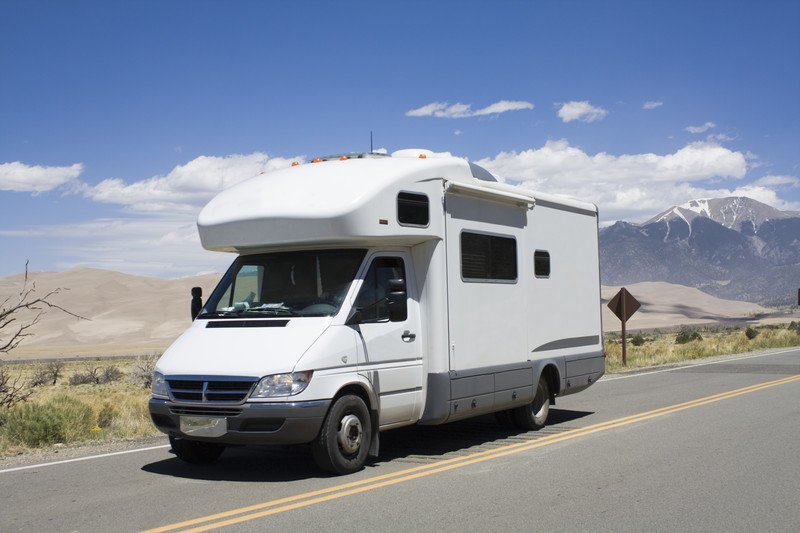
RV Motorhome driving on freeway Southeast Financial

For many RV owners, purchasing a motorhome, travel trailer, or fifth wheel is one of the largest investments they’ll ever make. In fact, many recreational vehicles cost well over $100,000, making them second only to a home in terms of purchase price.

With so much money invested in your RV, it’s only natural to think about protecting that investment. That’s where an RV extended service plan can help.

The benefits of an RV extended warranty go far beyond simply helping pay for repairs. The right coverage can provide financial protection, improve your ownership experience, reduce stress while traveling, and help shield you from unexpected repair costs long after the manufacturer’s warranty expires.

Whether you own a motorized RV, a travel trailer, or one of today’s increasingly sophisticated 5th wheels, an RV extended service plan can offer valuable protection against costly breakdowns and mechanical failures.

What Is an RV Extended Service Plan?

An RV extended service plan, often called an RV extended warranty, is a type of vehicle protection plan designed to help cover eligible repair costs after the manufacturer’s warranty ends.

While the terms “extended warranty” and “service contracts” are frequently used interchangeably, both generally provide protection for covered components and systems when a mechanical breakdown occurs.

Modern RVs contain dozens of interconnected systems, including electrical components, plumbing systems, air conditioning units, slide-out systems, refrigerators, water heaters, generators, and drivetrain components. As RVs become more advanced, repair costs continue to rise, making extended protection increasingly valuable.

Manufacturer’s Warranty vs. Extended Coverage

Most new RVs come with a manufacturer’s warranty that covers defects in materials or workmanship for a limited period.

However, once the manufacturer’s warranty expires, the owner becomes responsible for all future repair costs.

An extended RV warranty helps fill that gap by providing ongoing coverage for many of the systems and components that can be expensive to repair or replace.

RV Insurance vs. RV Warranty Coverage

Many RV owners mistakenly assume insurance and warranties provide the same type of protection.

RV insurance generally covers accidents, weather events, theft, and physical damage.

An RV extended warranty, on the other hand, focuses on mechanical breakdown coverage and the repair of covered RV systems that fail due to normal use.

Together, insurance and an extended RV warranty can provide a more complete ownership protection strategy.

Benefit #1: Protection From Expensive RV Repair Costs

One of the biggest benefits of an RV extended warranty is protection against unexpected repair expenses.

Many RV owners are surprised by the cost of repairing modern recreational vehicles. Specialized parts, higher labor rates, and increasingly complex mechanical and electrical systems can quickly turn a minor issue into a major expense.

Common RV Repairs That Can Be Costly

Some common RV repairs include:

RV Component Potential Repair Expense
Air Conditioning System $1,000–$3,500+
Refrigerator $1,500–$4,000+
Water Heater $800–$2,500+
Generator Components $1,000–$5,000+
Slide-Out Systems $500–$5,000+
Transmission $3,000–$10,000+
Engine Repairs $5,000–$20,000+

A single repair facility visit involving a major component can sometimes cost more than several years of warranty coverage.

Instead of worrying about how you’ll pay for a major repair, an extended warranty can help reduce the financial impact of covered failures.

Benefit #2: Coverage for Major RV Systems

Modern RV extended warranty plans are designed to provide protection for many of the systems RV owners rely on every day.

Depending on the specific plan and term selected, coverage may include protection for:

  • Engine components
  • Transmission systems
  • Powertrain components
  • Electrical systems
  • Air conditioning units
  • Refrigerators
  • Water heaters
  • Generator components
  • L.P. gas system components
  • Slide-out systems
  • Additional mechanical components

Having coverage for these major RV systems can provide valuable peace of mind, whether you’re traveling across the country or spending the weekend at your favorite campground.

Motorized Vehicle Coverage

Owners of motorhomes often face some of the highest repair costs because their RV combines both living quarters and automotive systems.

Coverage may be available for Class A motorhomes, as well as Class B & C RVs, helping protect major drivetrain and powertrain components.

Towable Vehicle Coverage

Towable vehicle coverage options are also available for many travel trailers, campers, and 5th wheels.

These plans focus on protecting the living systems and components that make RV ownership enjoyable and comfortable.

Benefit #3: Budget Predictability and Financial Peace of Mind

Unexpected repairs rarely happen at convenient times.

An RV extended service plan helps create greater budget predictability by reducing the uncertainty surrounding future repair costs.

Vacation Budget Protection

Imagine arriving at a campground for a long-awaited family vacation only to discover your refrigerator, air conditioning system, or even the engine has failed.

Without coverage from an extended RV warranty, those repair costs could force you to alter travel plans or cut your trip short.

Retirement Budget Protection

Many retirees operate on a fixed income and carefully manage their monthly expenses.

An extended warranty can help reduce the risk of a large, unexpected repair bill disrupting retirement finances.

Benefit #4: Easier Warranty Claims and Nationwide Repair Access

Another advantage of many extended warranty plans is access to established claims processes and service networks.

When a covered component fails, warranty claims can help streamline the repair process.

What Happens When a Covered Breakdown Occurs?

While procedures vary, the process typically works like this:

  1. A covered mechanical breakdown occurs.
  2. The RV is taken to the nearest participating repair facility or service center.
  3. A claim is submitted for review.
  4. Authorization is provided for eligible repairs.
  5. The RV is repaired.
  6. The customer pays any applicable deductible.

Having a structured claims process can make a stressful situation easier to manage.

Many plans also offer year-round nationwide service, making it easier to obtain repairs while traveling.

Benefits of an RV Extended Service Plan

Benefit #5: Additional Protection Options Beyond Mechanical Coverage

Some RV owners choose to enhance their coverage with additional protection products that go beyond traditional service contracts, like road hazard coverage or tire rescue plans. 

These products can help create a more complete protection package.

Emergency Roadside Assistance

Emergency roadside assistance can be invaluable when problems occur away from home.

Benefits may include:

  • Towing assistance
  • Flat tire assistance
  • Battery service
  • Fuel delivery
  • Lockout assistance

Some programs may also include VIP roadside assistance benefits for added convenience.

Enhanced Wheel & Tire Protection

Road hazards affecting tires and wheels are a common concern for RV travelers.

A tire & wheel protection plan may help cover tire damage and costs to replace or repair damaged wheels.

Cosmetic Protection Products

Additional protection options may also include:

  • Paint & fab protection
  • Appearance protection
  • Surface protection products

RV Complete Club Benefits

Some protection packages may include membership-style benefits such as RV Complete Club programs.

These offerings can enhance the overall ownership experience through services such as campground access, travel-related benefits, and subscription-style perks designed specifically for RV owners.

Benefit #6: Improved RV Resale Value

An RV extended service plan can also benefit owners when it’s time to sell or trade in their RV.

Many buyers appreciate the added confidence that comes with knowing a vehicle has been protected.

Why Buyers Like Protected RVs

A transferable service contract can make a used RV more attractive because it provides ongoing protection for the next owner.

Potential buyers often view warranty coverage as a sign that the RV has been properly maintained and cared for.

This added confidence can help improve resale value and marketability.

Many RV dealerships and dealer partnerships recognize that warranty coverage can be a valuable selling point in the used RV market.

Benefits of an RV Extended Service Plan

Why RV Owners Choose Southeast Financial Extended Warranty Plans

Southeast Financial understands that every RV owner has unique needs.

Whether you own a motorhome, travel trailer, toy hauler, camper, or fifth wheel, Southeast Financial offers protection solutions designed to help safeguard your investment.

Flexible Coverage Options

Coverage options are available for a wide variety of recreational vehicles, including:

  • Motorhomes
  • Travel trailers
  • 5th wheels
  • Towable RVs
  • Other recreational vehicles

Multiple Protection Levels

RV owners can often choose from multiple term lengths, coverage levels, and deductible options to find a plan that fits their budget and travel habits.

Exclusive Advantages

In addition to comprehensive protection options, Southeast Financial offers benefits that may include:

  • Senior citizen/military advantage programs
  • Dealer partnerships
  • Nationwide support resources
  • Protection products tailored to RV owners

The result is a more customized approach to extended protection and long-term RV ownership.

Are RV Extended Service Plans Worth It?

For many RV owners, the answer is yes.

While no extended warranty can prevent a breakdown from occurring, the right plan can help protect you from many of the financial consequences that follow.

The benefits of an RV extended warranty include protection from costly repairs, coverage for major RV systems, greater budget predictability, nationwide repair access, enhanced ownership confidence, and potentially improved resale value.

Considering the increasing complexity of modern recreational vehicles and rising repair costs, an RV extended service plan can be one of the smartest investments you make after purchasing your RV.

If you’re interested in learning more about available coverage options, contact Southeast Financial today to explore extended warranty plans designed to help protect your RV adventures for years to come.

RV Extended Service Plan FAQ

RV Extended Service Plan FAQ

What does an RV extended service plan cover?

Coverage varies by provider and plan but may include protection for major mechanical and electrical systems — and RVs are prone to costly mechanical and electrical failures due to their complex systems, making comprehensive coverage of these components one of the most valuable aspects of any extended service plan. Coverage may include powertrain components, air conditioning units, generators, refrigerators, slide-out systems, suspension components, exterior components, and more. Electrical and plumbing systems are commonly covered by warranties, and being aware of the specific exclusions and limitations of any plan before purchase ensures there are no surprises when a repair is needed down the road ahead. Not all repairs are covered by extended warranties — including routine maintenance and damage from neglect — so regular inspections and proper care of your rig remain important regardless of the coverage plan you choose.

What is the difference between RV insurance and an extended warranty?

RV insurance covers accidents, theft, weather events, and physical damage — ensuring your rig is insured against the unexpected events that no amount of maintenance can prevent. An extended warranty helps cover eligible repair costs resulting from covered mechanical breakdowns that insurance does not address. Many RV factory warranties last only one or two years before extended plans may take effect — most RV manufacturers offer warranties lasting one to three years — which means understanding when your factory coverage ends and what an extended service plan from providers like Good Sam or America’s RV Warranty offers in its place is an important part of protecting your investment for the road ahead.

Do service contracts cover labor and parts?

Many service contracts cover both labor and parts associated with approved repairs, subject to the contract’s terms and deductible requirements. An extended warranty for an RV provides financial protection against repair costs that can be substantial given the complexity of the systems involved — from suspension and slide-out systems to electrical, plumbing, and exterior components — and many extended warranty plans offer predictable monthly costs and deductibles for repairs that make budgeting for unexpected breakdowns significantly more manageable than paying out of pocket or relying on self-insurance through a dedicated repair savings account.

Is roadside assistance included?

Some plans offer emergency roadside assistance or optional roadside protection benefits — including mobile mechanic services that bring qualified technicians to your location when a breakdown occurs away from a shop. Some extended warranty plans include benefits like roadside assistance and trip interruption coverage that go well beyond basic mechanical repair reimbursement and provide genuine peace of mind for the road ahead. America’s RV Warranty offers coverage options worth comparing alongside Good Sam and other major providers when evaluating which plan best suits your rig, your travel patterns, and your budget.

Can I get coverage for an older RV?

Eligibility varies but many plans offer coverage options for older RVs depending on age, mileage, and condition. Being aware of the waiting periods, exclusions, and limitations that apply to older units before purchasing a plan ensures you understand exactly what protection you are securing for your rig. Regular inspections of mechanical and electrical systems, suspension components, exterior components, and plumbing can help establish the condition of an older RV and support eligibility for broader coverage levels — and purchasing coverage sooner rather than later protects against the point where age and mileage begin to narrow available plan options.

Are travel trailers and 5th wheels eligible?

Yes. Many extended warranty plans offer coverage for travel trailers, campers, and 5th wheels — not just motorhomes. Coverage for these units typically addresses electrical and plumbing systems, slide-out systems, suspension components, exterior components, and other systems that are prone to costly failures given the complex nature of modern RV construction. Whether you are shopping for coverage on a brand new unit purchased from a dealer or an older rig acquired through a private party sale, eligibility and available plan levels vary by provider so contacting a company like Southeast Financial, Good Sam, or America’s RV Warranty directly is the most reliable way to understand what is available for your specific rig.

What deductible options are available?

Deductible options vary by provider and coverage plan — and many extended warranty plans offer predictable monthly costs and deductibles for repairs that make it easier to weigh the financial value of coverage against the alternative of self-insurance through a dedicated repair savings account. Understanding how deductibles interact with the exclusions and limitations of each plan helps every RV owner make a genuinely informed decision about which rv warranty plans offer the best value for their specific situation, travel patterns, and risk tolerance.

Can an RV extended warranty increase resale value?

A transferable service contract may increase buyer confidence and improve the resale appeal of your RV — and Good Sam Extended Service Plan transfers at no cost to the seller, making it a particularly attractive option for owners who want to protect their rig now while also preserving the option to pass that coverage to a new owner at the point of sale. A transferable warranty with strong coverage of electrical and plumbing systems, suspension, exterior components, and major mechanical systems signals to a private party buyer that the rig has been maintained and protected — which can meaningfully support both the asking price and the speed of the sale when the time comes.

President and Co-Founder, Southeast Financial

Wesley brings more than 26 years of expertise in financing recreational vehicles and marine purchases, assisting countless families in realizing their ownership dreams. His commitment to tailored service and extensive understanding of lending options establish him as a reliable advisor at Southeast Financial.