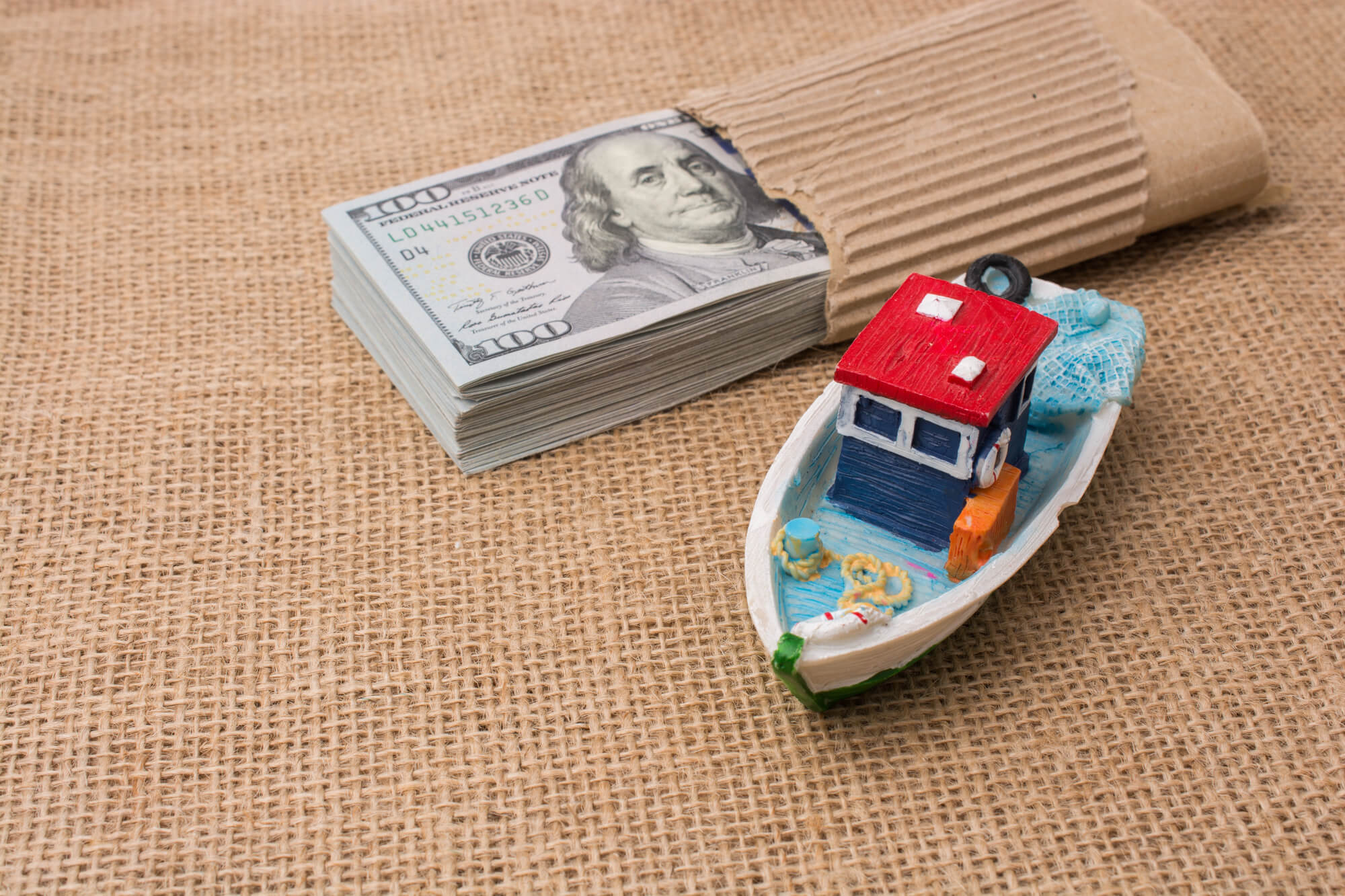
You’ve found the boat of your dreams. You’ve already pictured the weekends, the open water, the life that comes with it.
But then your credit history shows up in the back of your mind. The question stops being “Can I find a boat I like?” and becomes “Will my credit score sink the loan or my budget once I’m in it?”
When it comes to financing that new personal watercraft or pontoon with so-called bad credit, getting approved is only half of the story. The other half is whether each monthly payment, plus fuel, storage, insurance, and repairs, quietly crowds out things you may need more: keeping up with existing debts, building savings, or qualifying later for a home, car, small business, or just any personal loan.
As a specialist recreational lender, Southeast Financial has watched good people get squeezed simply because no one walked them through those tradeoffs up front.
In the next few minutes, you’ll see what “bad credit” really means for boat loans, how lenders view your file, which deals and boat types work better when your score is rough, and how to decide, calmly and clearly, whether now is the right time for you to finance a boat.
What Does “Bad Credit” Really Mean for a Boat Loan?
When it comes to boat financing, “bad credit” typically refers to credit scores in the low- to mid-600s or below. Such scores often come with recent risk indicators like late payments, collection accounts, charge-offs, or heavily utilized credit cards.
While having a lower credit score doesn’t necessarily close the door on opportunities, it does impact your loan application significantly. It influences which lenders might consider your application, the interest rates you’ll be offered, and the amount of documentation required during the boat loan process.
Because a boat is considered a nonessential purchase, traditional or specialized marine lenders often need to see compensating factors elsewhere in your credit history to balance out a reduced credit score.
When considering applications, boat loan officers typically contemplate several aspects:
- What hurt your score? Recent late payments, collections, charge-offs, or high debt utilization weigh more heavily on your credit history than older financial missteps.
- How stable are you now? Evidence of steady income, consistent time with your current job, and a clean recent credit history can help mitigate concerns over past issues.
- How tight is your budget already? High existing monthly payments or a lack of savings can make it challenging to justify taking on new expenses like a boat payment.
Whether you’ll be viewed by lenders as “recovering” or still “high-risk” will depend on your position within those key aspects of credit score, stability, savings, and current debts. Once you’re aware of it, you can determine if a short period of credit rebuilding might improve your prospects and possibly lead to better interest rates or other boat financing terms.
How Lenders Actually Look at Your Application
When your credit is rough, specialized lenders do not just glance at your score and flip a switch. They walk your file section by section: income, debts, credit history, and the boat itself. Their real question is simple: “Can this person comfortably afford this specific boat payment, for this long, without putting essentials at risk?”
Because recreational financing is more specialized than standard auto lending, lenders often evaluate the full financial picture, not just a credit score. Income stability, debt load, cash reserves, and the boat itself can all influence approval options.
In a typical bad credit boat file, the review during the loan approval process often runs like this:
- Application and credit pull – verify identity, pull your reports, and review recent delinquencies, collections, and score band.
- Income and debt picture – confirm earnings, calculate your debt-to-income ratio (DTI), and look at how much room is left after essentials.
- Collateral and use – review the boat’s age, type, condition, and price, and confirm recreational use only; not full‑time living or commercial work.
A newer boat at a sensible price can help offset a softer score because it limits everyone’s downside if something goes wrong, as it is overall easier to resell compared to a used boat.
That’s why, in many cases, a clean late-model runabout can be easier to finance than an older, very niche boat at the same sticker price.
Rates and Terms Change When Your Credit Is Rough
In the case of boat loans with bad credit, an “affordable” offer will not be the lowest monthly payment you see on a boat loan calculator.
You’ll have to pay extra attention to the combination of interest rate, loan term length, and total ownership costs and pick the offer that still lets you sleep at night.
That’s because a borrower with a lower credit score means higher risk, and that higher risk usually results in higher Annual Percentage Rates (APRs) and, sometimes, longer terms that do keep the monthly number in reach but can also quietly multiply the total interest you pay.
Here’s a simple illustration for a $30,000 boat loan, although before you look at the table, know that these aren’t real quotes. These ballpark numbers simply show how the variables work together:
| Scenario | Approximate Monthly Payment | Approximate Total Interest Paid |
| 7 years at an 8% APR | About $465 | About $9,000 |
| 10 years at an 8% APR | About $365 | About $13,500 |
| 10 years at a 12% APR | About $430 | About $21,500 |
As you can see, longer loan terms can lower the monthly payment, but they may significantly increase total interest costs over time.
*Actual interest rates vary by lender, credit profile, income, collateral, loan amount, and lender requirements. Your real quote may fall outside this range in either direction. Ready to see your numbers? Get a quote from Southeast Financial or use our boat loan calculator to start with no obligation.*
Then you layer in the cost of actually owning the boat:
- Insurance and registration – recurring costs that often surprise first‑time buyers.
- Storage, docking, and fuel – marina fees, winter storage, and fuel for every trip.
- Maintenance and repairs – routine service plus the occasional bigger fix when something fails.
When you add those to the payment, the true monthly impact can feel very different from the “payment only” number. A good test is to ask yourself how many months you could cover that full package if your hours were cut or a major bill landed in the same season.
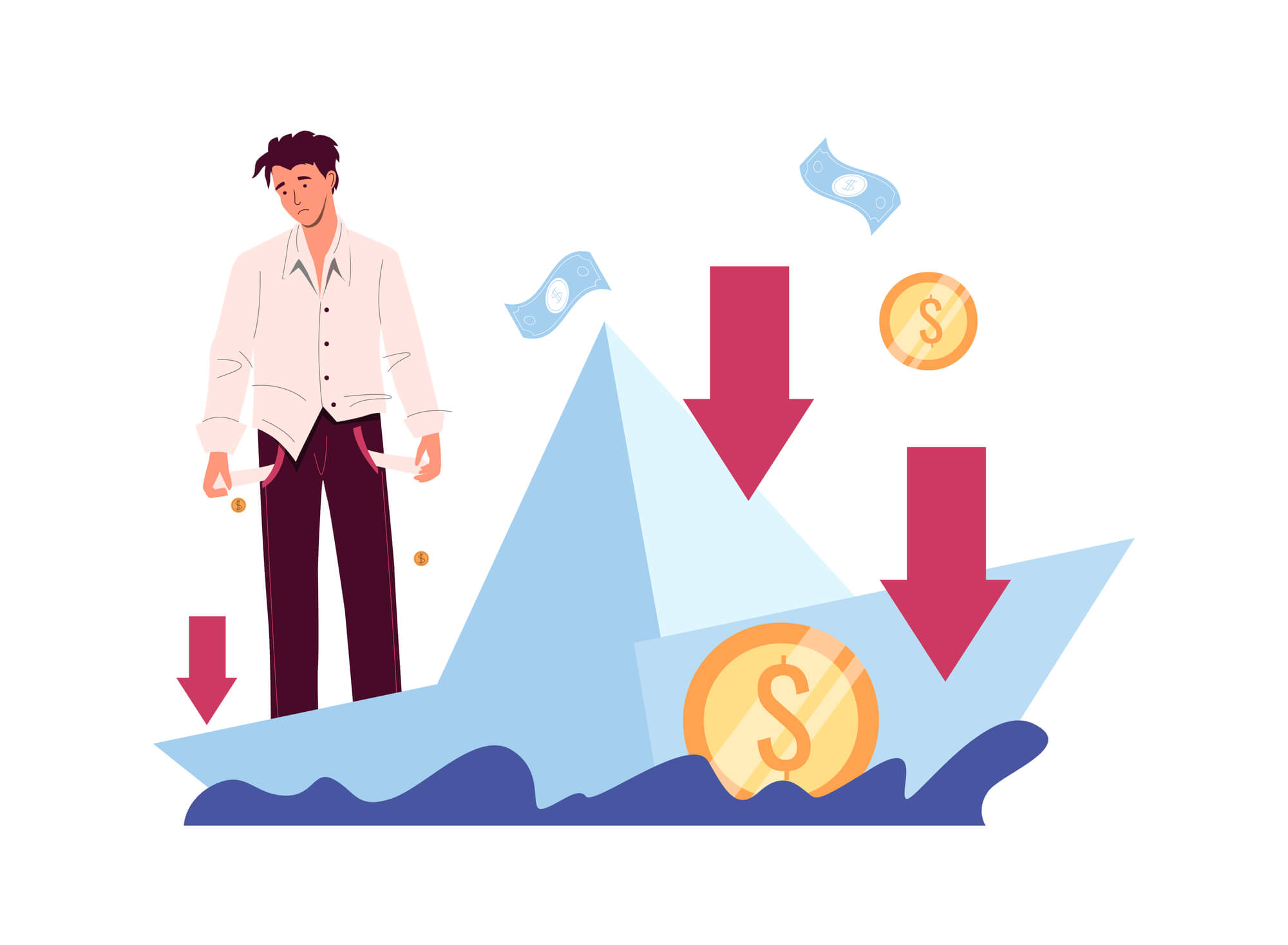
The Real Trade-Offs of Taking a Bad Credit Boat Loan Now
Securing boat financing with a less-than-perfect credit score is usually not the most challenging part; the real challenge is managing your finances afterward.
Bad credit boat loans can impact your financial landscape significantly, affecting your debt-to-income ratio, emergency fund flexibility, and potentially your ability to qualify later for essential purchases like a home or a reliable car.
When dealing with bad credit, the primary trade-offs often include the following:
- Today’s Enjoyment vs. Tomorrow’s Approvals: Taking on a boat loan increases your debt-to-income ratio, which can make future lenders cautious during the loan approval process.
- Boat Payment vs. Debt Cleanup: The monthly payments you start making could potentially yield better financial benefits if they were directed towards paying down debts with higher interest rates first. This strategic move might improve your credit history and financial flexibility more quickly.
- Ownership Costs vs. Real Life: Unexpected repairs, security, marina membership fees, and storage fees don’t care about the rest of your financial obligations and calendar. Often, these unforeseen expenses are part of the real cost of a life of boating, such as insurance, registration, and maintenance.
A useful exercise involves taking the monthly payment amount you’re considering and multiplying it by twelve. Then, consider whether using that total to reduce higher-interest debt first would result in a more substantial financial improvement than jumping directly into purchasing that powerboat or sailboat you’re angling for.
In numerous cases, six to twelve months of careful financial management and debt reduction are enough to significantly enhance credit scores and improve loan terms.
Lenders specialized in recreational and marine financing, like Southeast Financial, can guide you in identifying which steps will most effectively optimize your readiness for a bad credit boat loan, specifically, helping with aspects like collateral, loan amount assessments, and even refinancing opportunities.
Which Boat Types and Loan Programs Work Better With Bad Credit?
When your credit is rough, the boat you choose and where you finance it can make as much difference as the score itself.
That’s because either good or bad credit boat loans are secured loans, meaning the collateral in case you default on your payment is the watercraft itself.
Lenders are always asking, “If we had to take this back, how quickly and reliably could we resell it?” Boats that answer that question well tend to pair better with bad‑credit files. In many cases, borrowers improve loan approval odds by choosing boats with stronger resale demand, reasonable loan amounts, and documented maintenance histories.
A few patterns usually work in your favor:
- Mainstream, late-model boats – popular brands and layouts that have steady demand are easier to resell and easier to finance.
- Reasonable price and age – mid‑priced, not-too-old used boats often hit the sweet spot between risk and payment for specialty lenders.
- Stable programs and channels – dealer sales and established specialist marine lenders usually offer clearer terms than one-off “no credit check” offers.
That doesn’t mean you can’t buy from a private party seller or choose something older. It does mean your rate, down payment, and required documentation will usually tighten as the collateral gets harder to move.
If you’re not sure whether a specific boat is “finance-friendly,” talking through the year, brand, condition, and price with a lender before you shop aggressively can save time, protect your credit, and help you focus on boats that realistically fit your approval range.
Levers You Still Control to Make the Loan Safer
Even with bad credit, you have more control than “take whatever someone will approve.”
The structure of the financing program (down payment, boat choice, loan term, and who signs with you) can turn a marginal idea into something that fits or, just as usefully, show you that waiting is the smarter move.
The strongest levers most borrowers still hold are:
- Down payment – putting 10-20% down instead of the minimum reduces risk and can open better terms.
- Boat and price point – choosing a simpler boat or stepping down in price trims both the payment and total interest.
- Term and payment target – starting with a monthly number that fits a “bad month” and working backward to price.
Adding a co-signer with stronger credit can also change the picture, but it should come with an honest conversation: if anything goes wrong, both of you are on the hook, and the boat is the collateral.
A good rule of thumb is to design the deal around what you could sustain through a job change, not just what looks doable in a perfect year.
Bad Credit Boat Loan Offer Red Flags
The most dangerous offers for borrowers with bad credit are not the highest interest rates; they’re the ones that hide the true cost or rush you past the details. If a lender or dealer is pushing harder on speed than on clarity, your risk usually goes up.
Watch closely for warning signs like these:
- Fuzzy numbers – no clear Annual Percentage Rate (APR), payment schedule, or total finance charge written into the paperwork.
- “No credit check” promises – often paired with very high rates, heavy add‑ons or application fees, and aggressive penalties.
- Locked-in extras and penalties – warranties and GAP you can’t decline, plus prepayment penalties on long, high‑rate loans.
A respectful lender will slow down when you ask questions, separate optional products from the base loan, and walk you through late or prepayment penalties, default, and repossession clauses in plain language. If online reviews repeat the same complaints about surprise fees or collections behavior, treat those stories as data points, not noise; your future self has to live with that contract.
Deciding Whether to Apply for a Boat Loan Now or Wait
Once you know the moving parts (credit, DTI, boat type, total cost), the real question becomes timing. “Can I get approved?” is only half of it; “Should I take this loan now?” is just as important.
A 30–90 day window is often enough to either strengthen your file or confirm that the payment you’re seeing is a true fit.
Concrete ways to tilt the decision in your favor include:
- Quick score wins – pay credit card balances down below about 30% of each limit and correct obvious report errors.
- DTI and savings rules – decide in advance your maximum debt-to-income ratio (DTI), minimum emergency fund, and the payment that still works in a rough month.
- Shopping the right lanes – compare at least one quote from a local credit union and a specialist recreational or marine lender alongside any dealer offer.
If your own rules say “not yet,” you haven’t failed.
You’ve protected your future borrowing power and given yourself a clearer plan. If the numbers still look solid after that short rebuild, you can move ahead knowing you’re taking on a boat loan with your eyes open instead of out of pure emotion.
Make Your Next Step on the Water a Financially Solid One
A boat loan with bad credit is never just about getting to “yes”, but about making sure that yes still feels good a year from now, when your budget has seen a few surprises and the newness has worn off the purchase.
When you understand how lenders view your file, what truly makes a loan affordable, and how boat choice and structure change your risk, it gets much easier to match your dream to your reality instead of fighting it.
When you’re ready to see how a boat loan might look against your actual income, debts, and the kind of boat you have in mind, Southeast Financial can walk you through real numbers—not guesses—so you can decide whether to finance now, buy smaller, or keep rebuilding a bit longer. That way, the day you turn the key and leave the dock feels like progress for your whole life, not just a great Saturday on the water.
This article is for general information only and isn’t individualized financial, credit, or legal advice. Before you take on any loan, consider speaking with a qualified financial or legal professional who can look at your specific situation.

Frequently Asked Questions
Do bad credit boat loans usually have higher rates?
In many cases, yes. Lower credit scores often lead to higher APRs because lenders generally view the loan as carrying greater repayment risk. A specialist recreational lender like Southeast Financial can help you understand how factors like income, down payment, and boat type may affect your financing options beyond the score alone.
Does a larger down payment help?
Usually, a larger down payment may improve approval odds, reduce monthly payments, and lower the lender’s overall risk. In some cases, it can also help borrowers qualify for more manageable loan structures through recreational financing programs.
Is it harder to finance older boats?
Sometimes. Older or highly specialized boats can be more difficult to finance because lenders consider resale value and collateral risk during underwriting. Southeast Financial often works with a wide range of boat types, but approval options can still depend on the vessel’s age, condition, marketability, and even marine survey results.
Will applying for a boat loan hurt your credit score?
A formal boat loan application may create a hard inquiry on your credit report. One inquiry typically has a small temporary impact. Multiple applications spread over a longer period may affect your score more noticeably, although some credit scoring models group rate-shopping inquiries made within a short window together. Comparing lenders strategically instead of applying everywhere at once can help limit unnecessary credit pulls.
Can you refinance later if your credit improves?
Potentially. Some borrowers refinance later to lower their APR, reduce monthly payments, or improve loan terms after rebuilding credit. Southeast Financial offers boat refinancing programs that may help qualified borrowers explore better terms as their financial profile improves.

Rate does not apply to refinancing.
Please call for a refi quote: 866.900.8949