Choosing between a gooseneck and a bumper pull trailer isn’t just a hitch preference. It’s a long-term money decision that touches your truck, your insurance, and your monthly cash flow. It also shapes what kind of hauling or trips you can realistically take on.
Maybe you’ve pulled a bumper pull for years and are wondering if it’s time to step up, or you’re buying your first serious trailer and don’t want an expensive mistake sitting in your driveway.
Sticker price is only part of the story; the wrong setup can lock you into higher fuel bills, tougher approvals, or a trailer that’s hard to insure or resell. This guide is for informational purposes only, not financial, legal, or tax advice, but it will walk you through lifetime cost, typical loan structures, and how lenders may look at each trailer type so that you can choose with more confidence instead of guesswork.
Gooseneck vs Bumper Pull: What’s the Main Difference?
The main difference between a gooseneck and a bumper-pull trailer is where they connect to the tow vehicle: the trailer hitch.
Gooseneck Trailers and Hitches
What actually distinguishes a gooseneck trailer is its connection point, which is mounted in the truck bed over the rear axle.
This unique placement provides more stability by distributing the trailer’s weight evenly over the vehicle’s frame rather than placing it at the rear. As a result, gooseneck trailers can handle larger and heavier cargo with greater control, making them a preferred choice for commercial and agricultural uses.
Additionally, the S-shaped configuration—resembling a goose’s neck—allows for sharper turns and improved maneuverability, essential for navigating tight spaces or rough terrain.
Among RVs, fifth-wheel trailers commonly use this type of hitch, while some horse or cargo trailers do as well. There are even gooseneck dump trailers available.
Bumper Pull Trailers and Hitches
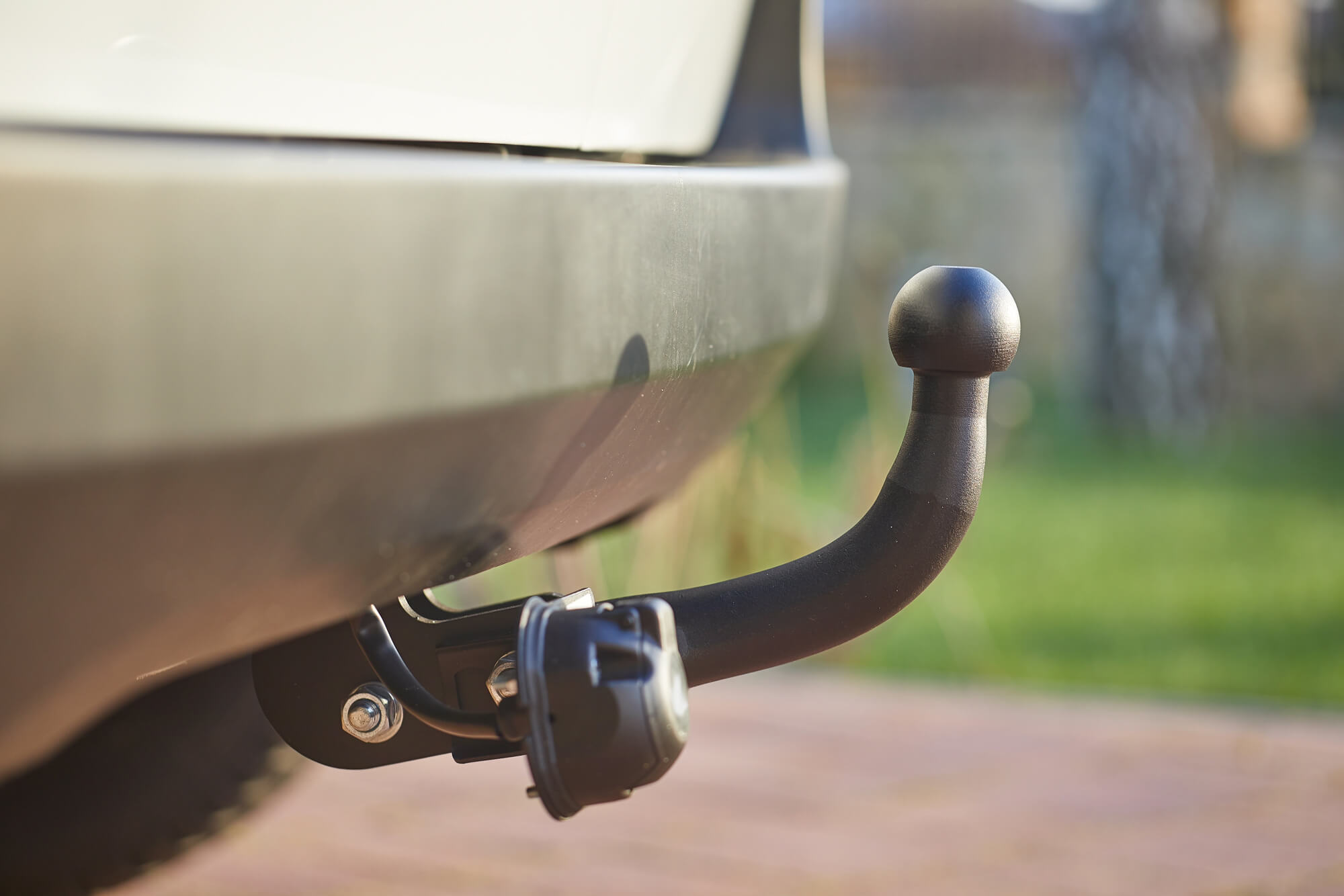
Bumper pull trailers, commonly known as tag-along trailers, attach to a vehicle using a standard receiver hitch located just behind the rear bumper; hence, the name.
This setup is straightforward, with a hitch ball in the bumper and then a simple coupling mechanism on the trailer. This allows for easier coupling and uncoupling, making it highly popular among casual users and those new to the trailering experience.
Bumper pull trailers are diverse in sizes and styles and are particularly suited for lighter loads or short-distance travels. They offer flexibility as they can be towed by a wide range of vehicles, from SUVs to pickup trucks, depending on the trailer’s weight.
However, because the weight is concentrated at the vehicle’s rear, they may not provide the same level of stability as goosenecks in high-speed or challenging driving conditions.
This configuration’s ease and accessibility make bumper pull trailers a common choice for personal use, such as camping or hauling small equipment.
The differences between the two types of hitches can affect towing stability, turn radius, truck requirements, available bed space, trailer capacity, purchase cost, and even financing considerations.
Here’s a quick comparison:
| Factor | Bumper Pull | Gooseneck |
| Hitch location | Receiver hitch behind the rear bumper | Hitch mounted in the truck bed near the rear axle |
| Typical use | Recreational or lighter-duty hauling | Larger trailers and heavier recreational or equestrian hauling |
| Stability | Stable when properly matched and loaded | Often favored for added stability with larger trailers |
| Tow vehicle | Wider range of compatible trucks and SUVs, depending on ratings | Typically requires a pickup truck with an in-bed hitch |
| Truck-bed space | Bed remains available | Hitch uses part of the truck bed |
| Upfront cost | Usually lower | Usually higher |
| Financing considerations | Depend on trailer type, age, value, use, and borrower profile | Depend on trailer type, age, value, use, and borrower profile |
The goal is not to crown a winner, but to understand which setup gives you the most useful miles and years at a cost your budget can live with.
Upfront Costs To Expect With Each Trailer Type
When considering the upfront costs, a gooseneck trailer generally comes with a higher price tag compared to a bumper pull trailer of similar capacity and build quality.
This is due to the gooseneck’s longer, heavier frame and a hitch designed to sit over the rear axle, contributing to better stability and more efficient load distribution.
However, this initial expense gap widens when the gooseneck trailer necessitates upgrading to a larger tow vehicle, usually a pickup truck with an in-bed hitch. The primary concern isn’t necessarily “Which trailer is cheaper?” but rather “What are the realistic costs to ensure safe and legal towing given the complete towing setup’s ratings?”
What Goes Into Your Real Drive-Away Number
Your real drive-away number encompasses all the expenses required to move from browsing to actual towing, extending beyond the trailer’s sticker price. Building an honest estimate for both trailer types can often clarify the better financial choice well before financing.
Typically, buyers need to cover:
- Trailer price, options, and any dealer fees
- Down payment or any initial cash outlay
- Taxes, title, and registration expenses
- Hitch hardware and professional installation, whether it be a ball hitch or an in-bed hitch
- First insurance premium and any associated setup fees
- Applicable lender or documentation charges
For instance, a well-equipped bumper pull hitch ball trailer might allow you to continue using a current half-ton truck, simply adding a receiver hitch and possibly a weight-distribution system, as long as the truck’s payload and towing capacities are adequate.
In contrast, a similar gooseneck demands not only the trailer’s higher cost but also the potential need for a full towing vehicle replacement, complete with an appropriately rated in-bed hitch.
How Gooseneck and Bumper Pull Trailers Compare on Total Cost of Ownership
Over the entire life of owning your gooseneck or bumper pull hitch trailer, the “cheaper” trailer is actually the one that best fits your towing needs with the lowest cost per year, not merely the lowest sticker price.
The total cost of ownership (TCO) involves looking beyond the initial payment and assessing every expense that impacts your trailer from day one until it is eventually sold.
When you take this comprehensive view, the gap between gooseneck and bumper pull trailers often narrows, or even flips, depending on factors like hitch type, towing vehicle, and payload capacity.
What Actually Belongs in Your Trailer’s Total Cost
Total cost encompasses every aspect required to purchase, maintain, operate, and ultimately part from the trailer. Focusing solely on the purchase price or hitch installation costs can lead to overlooking additional expenses that accumulate quietly over time, along with potential depreciation affecting resale value.
Typical TCO items include:
- Purchase price, along with options and sales tax
- Hitch hardware, whether it’s a ball hitch, fifth-wheel hitch, or receiver hitch, and professional installation
- The rest of the entire drive-away cost (insurance, registration, and tag fees)
- Regular fuel, tires, brakes, and routine repairs affecting load distribution and vehicle performance
- Storage, parking, and necessary inspections
Additionally, factors like downtime, wear and tear on truck axles, and resale value can profoundly affect your financial outlook.
For example, a trailer that frequently requires mechanic visits or is challenging to resell due to poor condition or mismatched specs with towing vehicles like pickup trucks or semi-trucks can become exorbitantly expensive, even if it appeared cost-effective at the outset.
How Truck Vehicle and Hitch Requirements Change the Math
When planning the purchase of either a gooseneck or bumper pull trailer, Southeast Financial often encourages potential owners to consider the complete truck-and-trailer setup.
It’s not just about the trailer’s upfront cost but also about ensuring your existing vehicle can safely and effectively tow it.
For instance, a bumper pull that fits within the tow ratings of a half-ton truck you already own could be more budget-friendly. In contrast, gooseneck trailers often require a three-quarter-ton or one-ton pickup truck with an in-bed hitch, thereby escalating the overall expenditure.
Ensuring the compatibility of the truck, hitch, and trailer with your intended load is essential for efficient and safe towing.
Matching the Trailer to the Truck You Already Own
The simplest savings come from using the vehicle you currently own. It’s crucial to anchor your trailer decision based on the tow vehicle already in your garage or lot.
In practice:
- Many half-ton trucks can adequately handle modest bumper pull trailers as long as the truck’s payload and towing ratings align with the trailer specifications and the towing setup is configured correctly.
- Heavy gooseneck loads typically require more robust vehicles, such as three-quarter-ton or one-ton pickups, which provide higher payload and towing capacities.
- Important factors, including truck bed length, payload capacity, rear axle rating, hitch type, tailgate clearance, and overall trailer weight, define what you can safely and comfortably tow.
- If a desired gooseneck forces a truck upgrade and stretches your budget, you’re also now comparing entire rigs. This is the moment to evaluate if the increased capabilities justify the added cost.
What Are the Day-to-Day Operating Costs for Each Trailer Setup?
Day-to-day, gooseneck and bumper pull trailers can appear similar on paper, but their use can significantly alter the real operating costs.
Goosenecks tend to be larger and heavier, while bumper pull trailers often have lighter lives. However, they can still impact fuel consumption and brake wear when they are tall, boxy, or used near the limits of the tow vehicle’s capacity. Over several seasons, these operating costs can matter more than the initial price difference.
Fuel, Wear, and Insurance You Actually Feel
Once you’re on the road, the trailer’s characteristics start reflecting in fuel expenses and repair invoices. The more you push the truck-trailer setup to its limits, the sooner costs can pile up. Most owners observe impacts like:
- Fuel use is driven by combined weight, frontal area, speed, terrain, and wind, rather than solely by hitch type.
- Tires, brakes, and bearings can experience faster wear if the load is near the vehicle’s towing capacity or is frequently overloaded.
- Insurance costs might rise with the trailer’s value, usage, or increased coverage needs.
A properly matched truck and trailer combination can provide a surprisingly pleasant towing experience. Conversely, a tall bumper pull trailer behind an overworked half-ton truck could become thirsty and costly, even if the setup remains within published load ratings.
The Cost of Downtime
If the trailer plays a key role in travel, horse shows, events, or other recreational activities, every day it sits broken can create substantial inconvenience and extra expenses.
Calculating even a rough “per day” cost of lost use can justify better maintenance, higher-quality components, or a trailer built slightly above the expected maximum load capacity, ensuring reliable towing stability and minimizing downtime.
How Do Different Trailer Types Hold Their Value Over Time?
Over time, the resale value of trailers depends on several factors, including the type of trailer, manufacturer, age, condition, configuration, market demand, and maintenance history. These differences can significantly impact what you still owe versus the trailer’s worth as it ages through years three, five, and seven.
A trailer that may have been initially inexpensive but depreciates more quickly than expected could leave you financially strained longer than expected. Conversely, a well-maintained gooseneck trailer in a popular size and configuration might retain its value better, especially during favorable market conditions.
Factors Influencing Trailer Value Retention
- Condition and Maintenance: Trailers with well-documented service logs and clear photographs showcasing their condition can maintain their value longer. Regular maintenance impacts both gooseneck and bumper pull trailers equally.
- Manufacturer Reputation: Brands known for durability might hold their value better due to built-in reliability and demand for quality.
- Hitch Type and Configuration: A trailer with a gooseneck hitch generally offers better towing stability and is valued by buyers needing to minimize sway and improve load distribution. The hitch type may influence resale value based on the buyer’s tow vehicle capabilities.
- Market Demand: If tiny house trailers or equipment trailers are trending, their value may remain higher than typical models. Keeping an eye on market trends can help you decide when to sell.
- Payload and Axle Setup: Trailers with higher payload capacities, dual 8K axles, or specific configurations like a gooseneck dump trailer can appeal to buyers needing robust load capacity, affecting depreciation positively.
- Documentation and Presentation: Comprehensive records and well-presented trailers can ease financing, attracting buyers ready to purchase confidently with known history from Department of Motor Vehicles records.
Understanding these elements and focusing on maintaining trailer condition and documentation can help preserve its value over time, regardless of whether you own a gooseneck or bumper pull hitch trailer.
How Lenders Look at Gooseneck vs Bumper Pull Trailer Risk
From a lender’s perspective, hitch style matters less than intended use, collateral value, borrower profile, and repayment ability. The same gooseneck can fall into a different financing category depending on what the trailer is and how it will be used.
A gooseneck used for hotshot work, regular commercial hauling, or another income-producing purpose may fall into an equipment-financing category rather than a recreational lending program.
That distinction matters. Southeast Financial is one example of that distinction in practice because it specializes in recreational financing; commercial use may not qualify under the same programs as an eligible recreational or horse trailer.
Age, condition, value, credit profile, income, and existing obligations can also affect approval and available terms.
Older units may receive additional review based on current value, condition, and the overall application. That is where working with a recreational financing specialist like Southeast Financial can be useful, especially when the trailer is older or falls outside a traditional bank’s standard lending profile.
When Is a Gooseneck Trailer Worth It, and When to Stick With a Bumper Pull
Whether a gooseneck trailer is “worth it” depends on what you tow, how often, and where you run. For frequent, heavier, or live loads on highways and in crosswinds, the added stability associated with a properly matched gooseneck setup can mean less sway and a calmer towing experience. For light weekend use and tight suburban parking, that same setup may simply be overkill.
Clues You’re Ready for a Gooseneck Trailer
If you see yourself in these patterns, a gooseneck trailer may make sense:
- You haul larger horse trailers or other heavier recreational loads often, not just a few weekends a year.
- Your current bumper pull trailer setup makes you nervous in the wind, on grades, or during emergency maneuvers.
- You already own, or are comfortable buying, a three-quarter-ton or one-ton pickup truck.
- You are comfortable giving up some truck-bed space for an in-bed hitch.
In those scenarios, the added stability and load capacity from a gooseneck trailer may justify the higher purchase and setup costs.
Signs a Bumper Pull Trailer Is the Right Call for Now
A bumper pull trailer can be the smarter move when the real constraint is budget, parking, or how often you tow:
- You mostly tow light loads for camping, horse events, home projects, or occasional farm chores.
- You need the pickup truck bed open for daily use and do not want an in-bed hitch installed.
- Your current half-ton truck is properly rated for the bumper pull trailer you are considering, and you do not want to upgrade just for towing.
Either setup can be the “right” one if the trailer matches the tow vehicle, stays within GVWR and load ratings, and fits how you actually haul, not how you wish you hauled.
When You Want a Clearer Way Forward on Trailer Financing
If you are comparing a gooseneck vs bumper pull trailer, you already know this choice is bigger than a hitch and a monthly payment. The real win is a combination that stays safe, useful, and affordable through the kind of trips and seasons you actually plan for, not the brochure version.
If the trailer you are considering is an eligible recreational or equestrian unit, Southeast Financial brings a specialized recreational-financing perspective to the decision.
Rather than treating every trailer like a standard auto loan, Southeast Financial works with multiple lending partners and considers factors such as trailer type, model year, value, intended use, credit profile, and the overall application when exploring available financing options.
That can be especially useful when your trailer or financing needs do not fit neatly into a traditional lending box. The goal is to find a structure that makes sense for both the trailer you want today and the budget you need to live with down the road.
When you are ready to take the next step, you can apply online to see what financing options may be available for your situation.

Rate does not apply to refinancing.
Please call for a refi quote: 866.900.8949