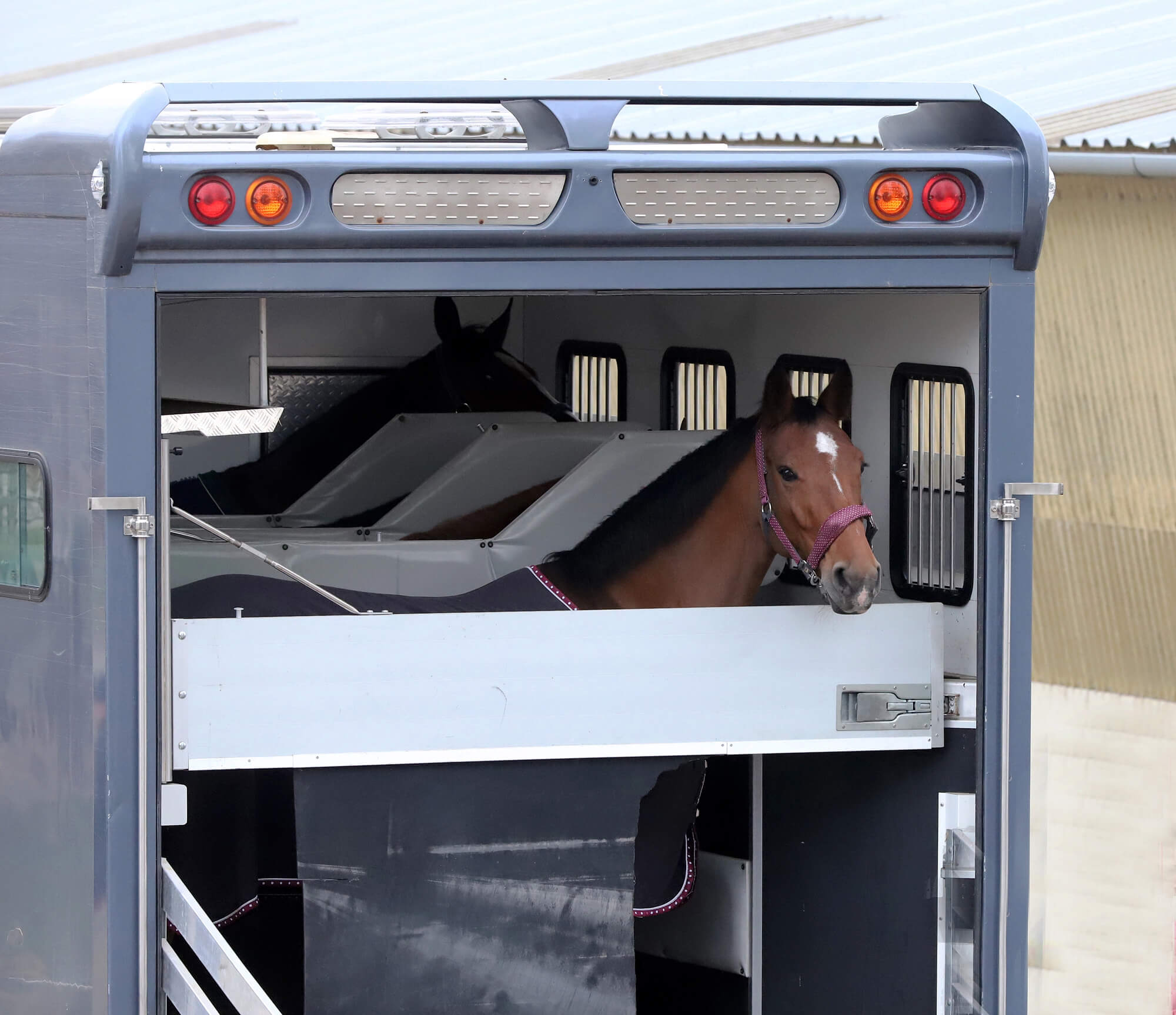
You do not buy a horse trailer because of its looks or amenities; you buy it because your horses’ safety and your investment depend on it; you know that.
Yet, while sitting in a finance office and staring at warranty paperwork you don’t fully understand, you might still be left wondering if the protection being offered is worth buying.
Horse trailers sit in a gray zone between auto and RV, with factory warranties, separate limited warranties for some parts, optional service contracts, and insurance. Understanding how these protections work together helps you see what a horse trailer warranty covers, what affects its cost, and when extra coverage, or a repair fund, makes sense for the way you haul.
Quick answer: A horse trailer warranty typically covers specified manufacturing defects, while an extended service contract may cover additional failures. Neither automatically covers normal wear, accidents, or poor maintenance. The right choice depends on your trailer, the contract’s terms, and your ability to handle unexpected repairs.
What a Typical Horse Trailer Warranty Actually Covers
Most new horse trailers leave the factory with several different coverage periods running at once.
The manufacturer usually stands behind the main trailer structure the longest, with shorter and limited warranty periods for other aspects like hardware and finishes.
Suppliers provide coverage on components such as axles, jack assembly/landing gear, couplers, and appliances under their own terms, but usually cover issues stemming from defects or faulty assembly.
In plain language, depending on the company and warranty terms, you can usually expect potential coverage from the factory warranty on:
- Trailer structure: Frame, subframe, chassis, welded crossmembers, bottom and roof rails, and bumper, and sometimes other key components are covered against manufacturing defects for several years.
- Shell and Hardware: Doors, windows, dividers, ramps, latches, and factory-installed wiring and lights, often covered for a shorter period than structural aspects.
- Living Quarters Buildouts: For rigs with cabinets, plumbing, air conditioning, furnace, and appliance installations, typically under RV-style vendor warranties with their own time limits.
- Running Gear: Axles, suspension parts, jack assembly/landing gear, and coupler are usually covered under the component supplier’s warranty rather than the trailer builder’s.
What is left out is just as important. Issues like floor rot from long-term moisture, corrosion from unsealed seams, wheels and tires (which have their own warranties), or risks of damage tied to poor maintenance or negligence may be excluded, even if ‘structural’ appears in the agreement.
Many factory warranties are actually limited to the original purchaser or nontransferable to second owners.
You can navigate this complexity by creating a simple chart of your trailer’s systems, detailing who stands behind each unit, for how long, and under what conditions. This approach serves as your roadmap if something fails, directing you to the trailer company, an appliance supplier, or an axle manufacturer.
Remember, a factory warranty and an extended service contract are different forms of protection, as we’ll see next.
How the Manufacturer’s Limited Warranty, Extended Warranties, and Insurance Can Work Together
When it comes to safeguarding your horse trailer, distinguishing between manufacturer warranties, extended service contracts, and insurance is crucial. Each offers different protections and benefits for various situations.
Manufacturer Warranties (Factory Warranties)
A manufacturer’s or factory warranty will provide coverage for defects in materials or workmanship within a specific period. It’s a limited warranty that typically covers key components in the structure, and even the sealants and caulking used to manufacture the roof. These warranties cater to issues stemming from how the trailer was built or designed, assuring buyers of the structure’s initial quality.
Extended Warranties or Service Contracts
Extended service contracts offer additional protection beyond the standard manufacturer’s warranty. Once the original warranty expires, these contracts continue to cover specific components, providing peace of mind for owners. Extended contracts may also offer broader coverage, sometimes including benefits for repairs due to wear and tear or even additional amenities that were not included in the manufacturer’s warranty.
Horse Trailer Insurance
In contrast, horse trailer insurance focuses on external risks and incidents beyond the scope of warranties. This includes protection against events like collisions, fire, theft, storm damage, and vandalism. Insurance is crucial for safeguarding against unpredictable events that could lead to significant losses or damage to your investment.
Key Points to Consider
- Manufacturer Warranty: Contact this coverage if your trailer develops issues related to workmanship or design errors, without signs of misuse or uncovered modifications.
- Extended Service Contract: Valuable for prolonged protection and addressing specific component failures beyond the initial limited warranty’s duration. Some providers also offer additional coverage for specific components, as in the case of hitch warranties.
- Insurance: Essential for handling accidents or incidents that cause sudden, external damage to the rig.
Recognizing the distinctions between these protections enables you to better manage your trailer’s care. Make sure to review each policy’s terms and rules carefully to understand their limitations and coverage. Identifying potential gaps can guide you in deciding whether an extended warranty, improved insurance, or a more rigorous maintenance plan is necessary to keep your investment in top condition and ready to face unforeseen challenges.

Southeast Financial’s Horse Trailer Extended Warranty: Exclusionary Coverage Explained
If you own a horse trailer with living quarters, unexpected repairs can affect more than your travel budget. A failed air conditioner, plumbing problem, or electrical issue can disrupt a weekend show or a longer trip. That’s why Southeast Financial offers horse trailer extended warranty coverage designed to help eligible owners manage covered repair costs and hit the road with confidence.
Unlike a traditional stated-component service contract, which covers only the parts specifically listed in the agreement, Southeast Financial offers exclusionary coverage. This means the package is designed to cover a broad range of mechanical and electrical components unless they are specifically excluded by the contract.
What Does Southeast Financial’s Horse Trailer Warranty Cover?
Southeast Financial’s extended service coverage is designed for eligible horse trailers with living quarters. Its exclusionary approach provides protection for a wide range of major mechanical and electrical systems, rather than limiting coverage to a short list of named components.
Depending on the trailer and service agreement, covered systems may include the frame and subframe, sidewalls, electrical equipment, air conditioning, plumbing, appliances, and other eligible components.
However, exclusionary coverage does not mean every repair is covered. Routine maintenance, cosmetic issues, modifications, additions, and other items identified in the contract’s exclusions remain the owner’s responsibility. Always review the written agreement to understand exactly which components, failures, and repair costs qualify.
Additional Benefits Beyond Covered Repairs
Southeast Financial’s horse trailer extended service plan also offers benefits that can be especially useful when you’re hauling away from home:
- Towing reimbursement: Up to $350 per occurrence when towing is required because of a covered component breakdown, subject to plan conditions.
- Trip interruption coverage: Assistance with eligible lodging and meal expenses when covered repairs are needed away from home.
- Pickup and delivery assistance: Up to $100 per occurrence.
- Transferable coverage: The service contract can be transferred to a new owner, potentially making the trailer more attractive when it’s time to sell.
- Financing options: Eligible owners may be able to finance the warranty cost instead of paying the full amount up front.
These benefits can help reduce some of the financial disruption associated with an unexpected breakdown, although reimbursement limits, eligibility requirements, and warranty claims procedures apply.
Is Southeast Financial’s Extended Horse Trailer Warranty Right for You?
Exclusionary coverage may be worth considering if your horse trailer has RV-style interiors, such as living quarters with multiple electrical, plumbing, climate-control, or appliance systems. The more equipment you rely on during travel, the more important it becomes to understand how you would pay for an unexpected covered failure.
Before purchasing, compare the contract’s price, deductible, exclusions, coverage period, and reimbursement limits against your trailer’s age, condition, and repair budget. Also, confirm whether your intended trailer use qualifies.
Want to explore your options? Learn more about Southeast Financial’s horse trailer extended warranty and request a free quote from our expert team to see what protection may be available for your trailer.
How Much Horse Trailer Warranty Coverage Really Costs by Trailer Age, Size, and Features
Determining the exact cost of a horse trailer warranty can be challenging. A straightforward two-horse bumper-pull trailer with no living quarters might be less expensive to insure than a multi-horse gooseneck unit equipped with slides, generators, and residential-style dimensions.
However, on larger living-quarters rigs, major repairs to components like brake systems or axles can amount to thousands of dollars, making a seemingly costly contract a wise decision if it covers significant failures during its term.
Key Cost Drivers You Can Actually Influence
Both you and your finance company will look at several factors:
- Trailer profile and design: Bumper-pull vs. gooseneck, steel vs. aluminum construction, and whether there are living quarters. More complex rigs, with aspects such as interior style or quarters buildouts, typically have more components that require protection.
- Age and condition: Newer trailers with good quality workmanship may qualify for more coverage options. In contrast, older, high-use ones might incur higher costs, tighter limits, or need inspections due to potential defects or wear.
- Coverage depth: Consider the term length, covered systems, deductibles, fees, payout caps, and extras like roadside assistance or trip-interruption service. This will vary based on the vehicle’s use and specific warranty agreements.
- Hauling routine: How often and how far you haul affects coverage terms. Local trips might not pose the same risks of damage as frequent, long-distance hauls.
For the best coverage, request a detailed written quote. Pricing depends on the provider, trailer, agreement specifics, and manufacturer. Lower-priced plans with high deductibles, exclusions, or low claim limits may not offer the replacement protection needed.
Regardless of whether you’re exploring options from Sundowner, Cimarron Trailers, or any other brand, always analyze the contract’s coverage against potential repair costs, not just its monthly payment.
Extended Warranties vs. Building Your Own Repair Fund
An extended warranty or service contract is a trade-off: you pay a predictable amount for potential protection against certain unexpected repairs to your trailer components. Whether this trade makes sense depends on the likelihood of needing coverage and whether the contract actually protects against those failures.
Extra coverage tends to be more applicable when certain factors align:
- Complex trailer design: If your unit includes slides, generators, living quarters, or advanced electrical systems, the number of potential failure points that might compromise functionality increases. Not every event will be covered, but complex builds often necessitate more robust protection.
- Heavy use and exposure to risks: Frequent long trips, rough access roads, and outdoor storage in high-humidity or salt-air environments introduce more risks of damage to your trailer’s components, like axles or the brake system. It’s essential to check whether your intended use affects coverage specifics.
- Financial cushion: If a significant repair, like a major fix to floors or axles, would push you toward high-interest debt, smoothing some of that risk with a predictable payment feels safer.
Alternatively, you can choose to build your own dedicated trailer repair fund, depositing a set amount monthly. This method can work well, provided you refrain from using the funds until necessary trailer repairs arise.
To determine your best path, consider the potential trailer repairs that would cause the most financial strain, such as a failed air-conditioning unit in the living quarters, significant floor work, or axle and suspension issues. Decide if you’d rather face these with a warranty contract, a financial reserve, or a combination of both.
Before committing to a warranty agreement, ensure the repairs you’re concerned about are covered. A plan that excludes critical repairs may not deliver the value you anticipate.

Horse Trailer Warranty Exclusions and Common Coverage Mistakes
When it comes to warranties, hidden limits often surface precisely when you’re dealing with a stressful trailer repair. Warranty claims might be denied if a failure from a specific component is excluded, the coverage period has expired, necessary service procedures were neglected, or if maintenance, documentation, or oversight by the original purchaser was inadequate.
Common Coverage Pitfalls Include:
- Wear Items: Components such as brakes, axles, bearings, seals, tires, and stall mats are frequently considered regular maintenance and thus not covered.
- Corrosion and Leaks: Rust, water damage from unsealed seams, or long-term moisture often result in coverage limitations or exclusions. It’s essential to understand how a manufacturer addresses these issues.
- Cosmetic Defects: Fading paint, minor dents, upholstery wear, and rattles typically fall outside covered defects.
- Use and Load: Damage due to overloading, undisclosed commercial use, or negligence can void coverage.
- Maintenance and Records: Many warranty agreements demand scheduled maintenance for trailer parts such as the roof, floors, and brakes. Keep receipts and records to prove adherence.
Small Habits That Protect You in Big Ways
- Understand the Fine Print: The marketing about warranty benefits may seem promising, but it’s in the details—like the company’s obligations section—where coverage limits and required maintenance or procedure for claims reside.
- Keep Comprehensive Records: Maintain a simple log with paper or digital records for trailer service invoices and inspection notes. This document outlines routine maintenance and helps support claims.
- Photographic Evidence After Major Work: Capture clear photographs of serviced trailer aspects, such as axles or hitch areas, to safeguard against disputes regarding condition or timing.
- Verify the Claims Process Before Repairs: Some companies necessitate prior authorization or insist on an approved repair facility for claims to be valid.
Though these habits won’t salvage a weak, limited warranty agreement, they reinforce valid claims when serious damage or loss occurs. Remember that approval and processing times hinge on the warranty provider’s requirements and industry standards.
A Simple Framework to Decide How Much Protection You Need
Instead of asking “Should I buy a warranty, yes or no?”, it helps to walk through a short checklist. That turns a sales conversation into a risk conversation and gets you to a decision that fits your trailer and your budget.
Step 1: Be Honest About What Is at Stake
For a weekend rider, downtime may mean missed clinics or shows. For a trainer, hauler, or barn, it can mean lost income, strained client relationships, and scrambling for backup transport on short notice.
If you use the trailer commercially, check whether that use affects warranty, service contract, insurance, or financing eligibility. Recreational and commercial use are not necessarily treated the same.
Step 2: Estimate the Odds of Big Repairs
Look at age, mileage, usage, storage, and build quality. A newer aluminum trailer stored under cover and used for local trips carries different risks than an older steel living-quarters rig parked outside year-round and hauled across several states.
Step 3: Define Your Pain Line for Surprise Bills
Decide on the largest repair bill you could cover without touching savings you truly need for other goals. That number becomes your personal ceiling for how much risk you can comfortably self-insure.
Step 4: Compare Your Real Options Side by Side
Line up your factory warranty, any proposed service contracts, and your insurance. For each, note the term, covered systems, key exclusions, deductibles, claim limits, transferability, and how claims are handled. Only then decide whether to rely on basic coverage plus a repair fund or to layer an extended plan on top.
Horse Trailer Financing, Cash Flow, and Bundling Coverage Strategically
Some service contracts may be eligible to be rolled into a horse trailer loan, depending on the lender, provider, and transaction. That is why they sometimes show up in the finance office. This can either help you or quietly inflate what the trailer really costs you over time.
When permitted, rolling warranty and service coverage into your financing can:
- Lower the upfront hit so you keep more cash free for hay, vet bills, and fuel.
- Help arrange eligible protection during the purchase process.
- Turn the contract’s upfront cost into a predictable monthly payment.
The trade-off is that you also pay interest on the financed contract. The additional monthly payment and total interest depend on your loan’s APR and repayment term.
Before you say yes, ask where that same monthly amount could work harder: building a repair fund, paying down higher-interest debt, or upgrading safety-critical items like tires and brakes.
Important for financing: Southeast Financial also offers financing options for eligible extended warranty coverage from various manufacturers, so you may not have to pay the full contract cost upfront. Ask whether the protection can be included in your loan and compare the total cost, including interest, before deciding.
Protecting Your Horse Trailer Investment Starts With Southeast Financial
By now, you have a clearer picture of what a horse trailer warranty really covers, which risks it can shoulder, and when a repair fund or better maintenance plan might serve you just as well. The next step is to find the right balance between protecting your trailer and keeping ownership affordable.
That is where Southeast Financial can help. Alongside nationwide recreational financing, we also offer extended warranty options for qualifying horse trailers, including those with living quarters buildouts.
Our exclusionary coverage plan includes on the plan, coverage for major systems, trailer structure, towing, and assistance from a trusted network nationwide, trip interruption benefits, and transferability—all subject to the service contract’s terms.
When you’re ready, get a free horse trailer warranty quote and explore protection options that fit your trailer, your budget, and the way you haul.

Rate does not apply to refinancing.
Please call for a refi quote: 866.900.8949